Palacinke Recipe 5 Secrets for Perfect No-Fail Crepes

Most people overcook palacinke and think the recipe is hard. I did the same thing when I first tried them. The edges would crack, and the center would tear every time I flipped them.
This palacinke recipe fixes that with one simple approach: a loose batter and proper resting time. That’s it. No fancy tools, no special tricks.
Once you get it right, these crepes turn soft, thin, and lightly golden. They work for breakfast, dessert, or even a quick snack. You can fill them sweet or savory, depending on what’s in your kitchen. Let’s break them down step by step so you can get them right on your first try.
What is Palacinke Recipe and why do people love it so much?
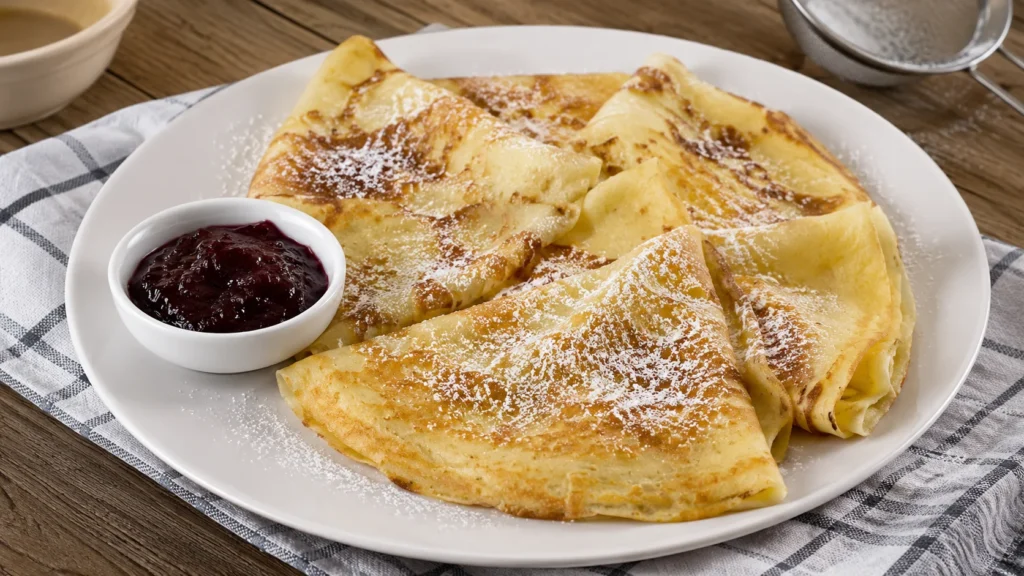
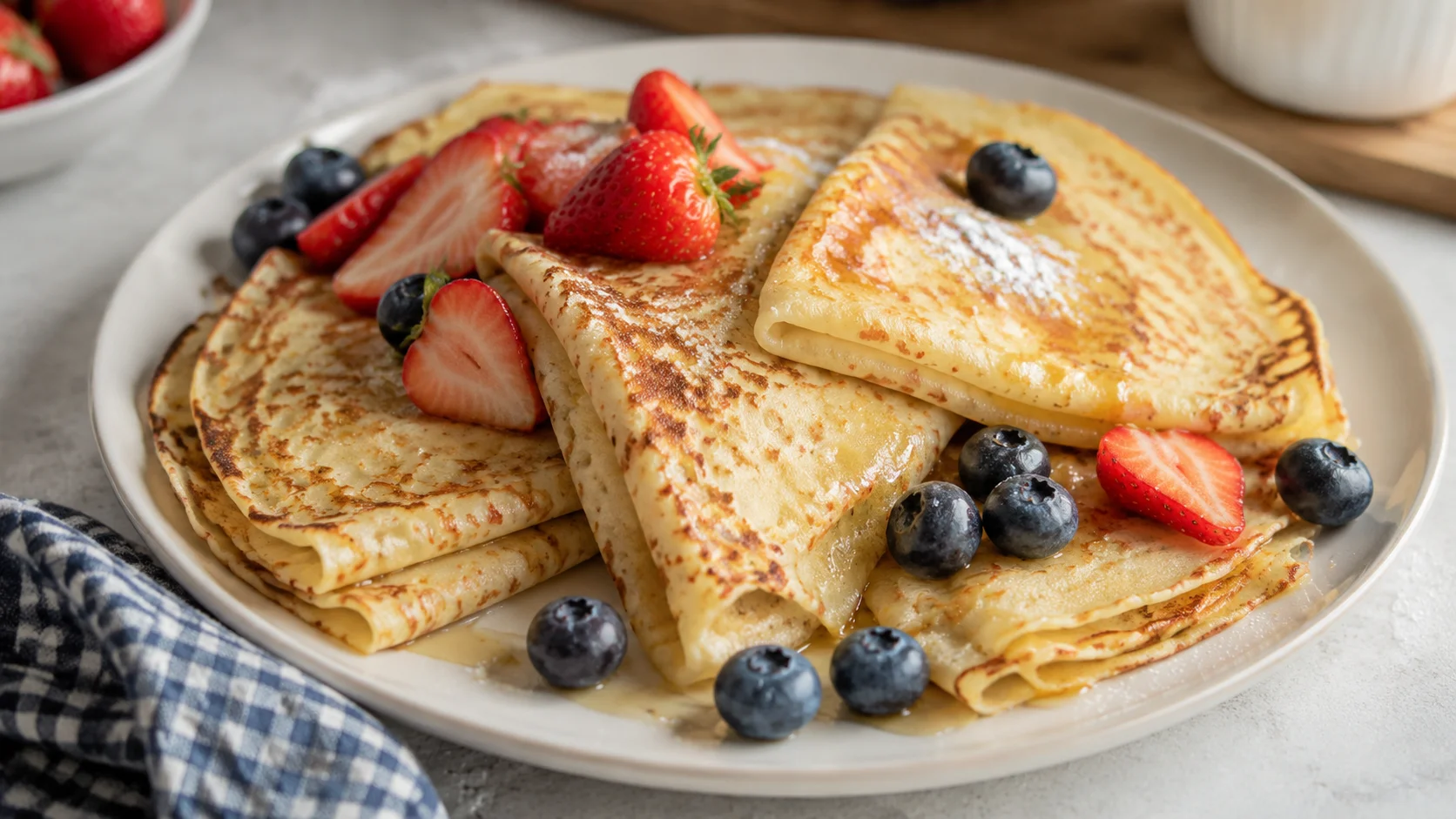
Palacinke recipe is a Balkan-style thin crepe made with eggs, flour, milk, and oil. It is soft, slightly chewy, and cooks in a thin layer on a hot pan. Most people serve it rolled or folded with sweet or savory fillings. It is popular because it is cheap, fast, and works for any meal of the day.
Palacinke (also called Serbian or Croatian crepes) are common across Eastern Europe. They are thinner than American pancakes and slightly richer than French crepes. You usually cook them in a skillet until the edges turn light golden and the center stays soft.
The smell is simple and warm. Think lightly toasted batter with buttery edges. They are often served fresh from the pan with jam, Nutella, or cheese fillings.
Recipe Overview for the best palacinke recipe at home
These crepes are soft, flexible, and easy to roll without breaking. They are great for busy mornings or family desserts.
| Detail | Info |
|---|---|
| Prep Time | 10 minutes |
| Cook Time | 25–30 minutes |
| Total Time | 40 minutes |
| Servings | 10–15 crepes |
| Difficulty | Easy |
| Cuisine | Balkan / Eastern European |
| Calories | ~120 per crepe (plain) |
| Cost | ~$3–$6 per batch |
The taste is mild and slightly sweet. That makes it perfect for both jam and savory fillings.
Ingredients and what each one does in palacinke recipe
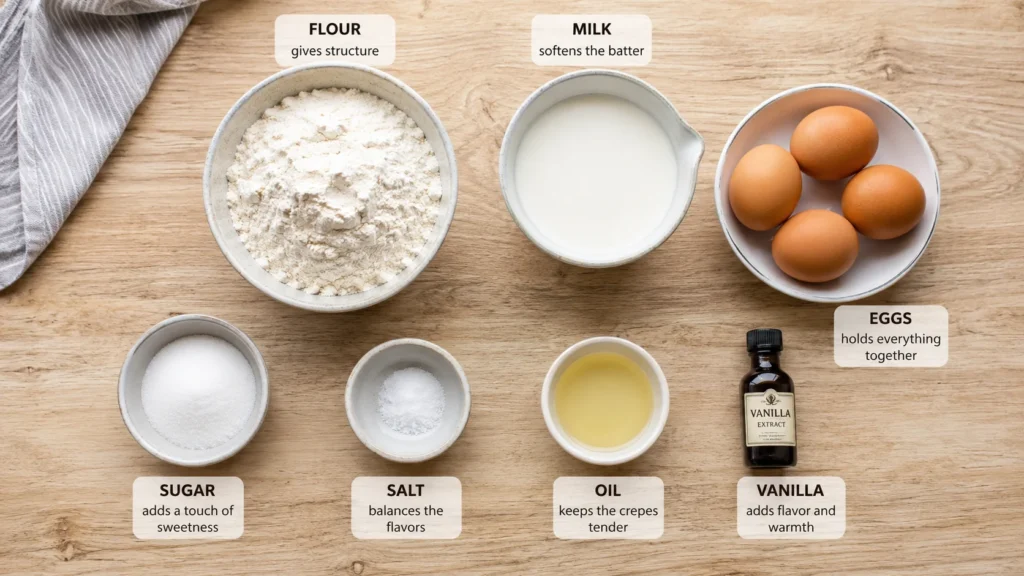
This recipe uses basic pantry ingredients. Nothing complicated. But each one has a purpose.
You will need flour, eggs, milk, sugar, salt, oil, and vanilla. The batter should be thin, almost like heavy cream.
Flour gives structure. If you use too much, the crepes turn thick and chewy.
Milk softens the batter and keeps it smooth. You can swap it with oat or almond milk.
Eggs hold everything together and help with that light golden color.
If you skip eggs, the crepes become fragile. If you use too little milk, they become thick like pancakes.
How to make palacinke recipe step by step without breaking the crepes
The process is simple, but heat control matters a lot. You mix the batter, rest it, then cook each crepe one by one in a hot pan.
Follow these steps slowly. Rushing is the main reason crepes fail.
1. Mix the batter until smooth

Whisk flour, eggs, milk, sugar, salt, and oil in a bowl. The batter should look smooth with no lumps. If it looks thick, add a small splash of milk.
2. Let the batter rest for 20–30 minutes
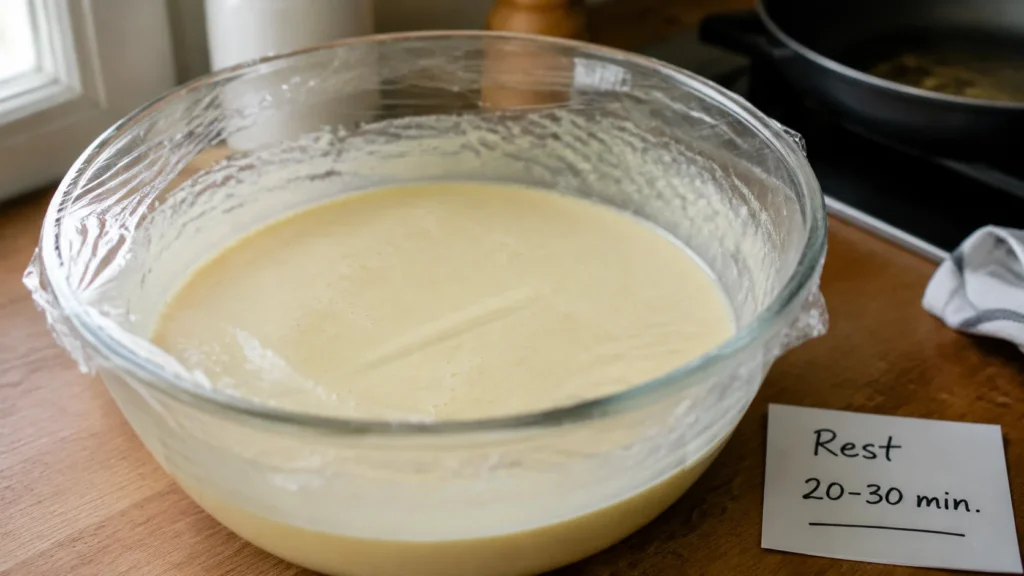
This step helps the flour absorb the liquid. The batter becomes smoother and easier to spread. You’ll notice fewer cracks when flipping later.
3. Heat the pan properly
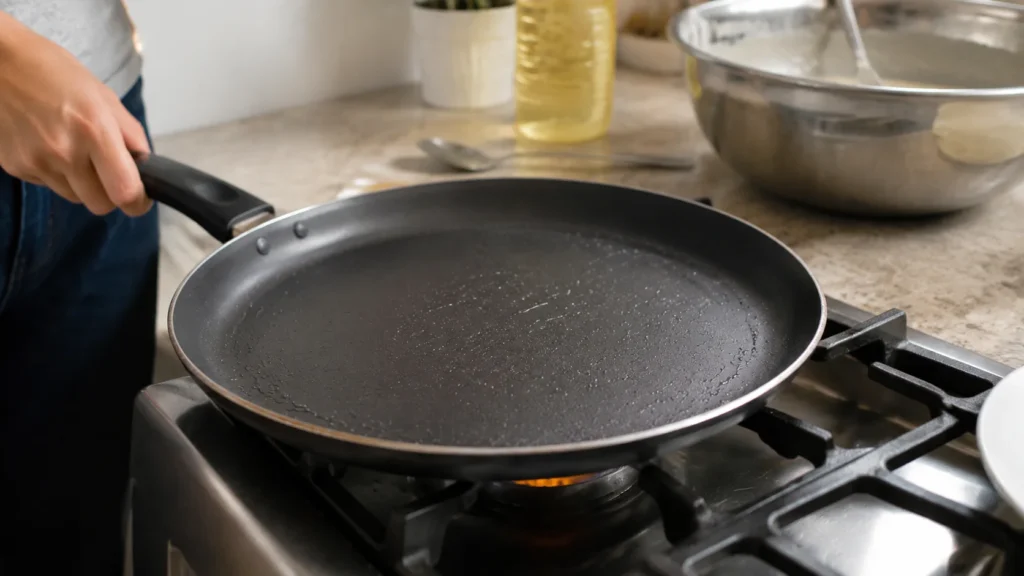
Use medium heat and lightly oil a nonstick pan. The pan should feel hot but not smoking. If it is too hot, the crepes will burn quickly.
4. Pour and swirl the batter
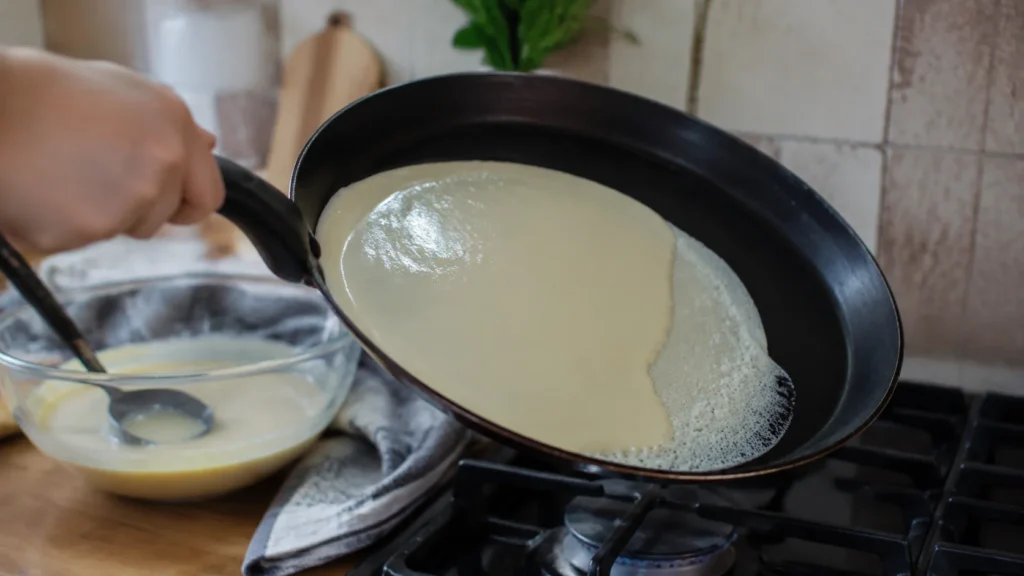
Add a small ladle of batter. Immediately tilt the pan in a circle so it spreads thin. You should see a light, even layer form.
5. Cook until edges lift

Cook for 1–2 minutes until the edges turn light golden and start lifting. The top should look dry but soft.
6. Flip and finish
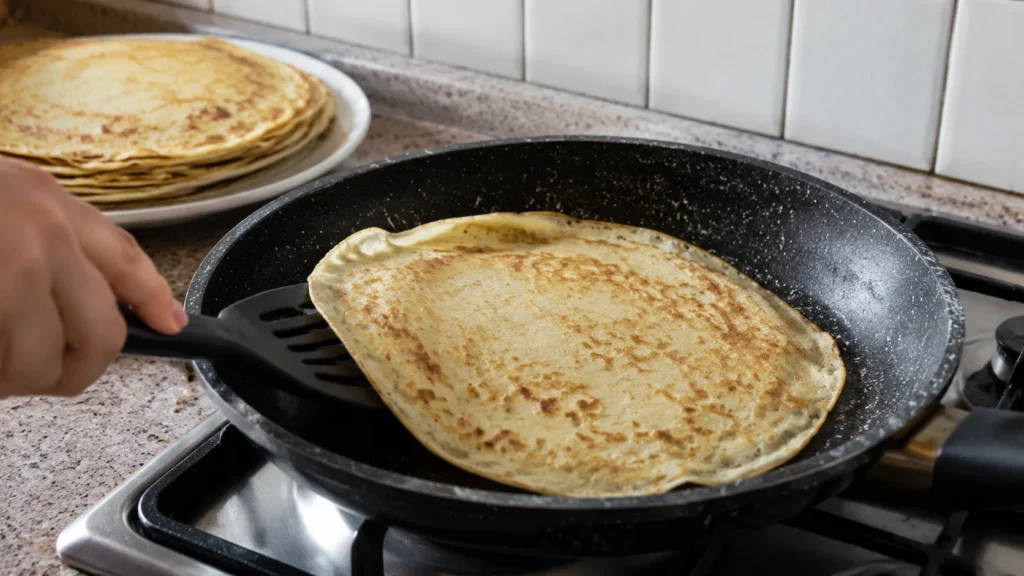
Flip gently with a spatula and cook for 30–60 seconds. The second side should be slightly golden, not dark.
Repeat until all batter is used.
The one mistake that ruins palacinke recipe every time

The biggest mistake is using the wrong batter thickness. Too thick, and the crepes turn into pancakes. Too thin, and they tear in the pan.
Another common issue is heat. High heat burns the edges before the center cooks. Low heat makes them rubbery and pale.
Some people also skip resting the batter. That leads to uneven texture and fragile crepes that break when rolled.
Quick tips:
- Keep batter like heavy cream
- Always rest the batter
- Use medium heat only
- Swirl the pan fast after pouring
Pro tip that makes palacinke recipe taste like a bakery version
Let the batter rest overnight in the fridge if you have time. This allows the flour to fully hydrate and the texture becomes smoother.
Cold resting also reduces air bubbles. That means fewer holes when cooking.
This step is used in many restaurants because it creates consistent, flexible crepes that don’t tear easily.
Easy variations you can try with palacinke recipe
You can change this recipe in many simple ways.
- Add vanilla and sugar for sweet breakfast crepes
- Skip sugar and add salt for savory fillings like cheese or ham
- Use oat milk for a dairy-free version
- Use gluten-free flour blend for a lighter texture
- Add a little sparkling water for extra soft crepes
What to serve with palacinke recipe for a full meal

Palacinke are flexible, so you can serve them in many ways.
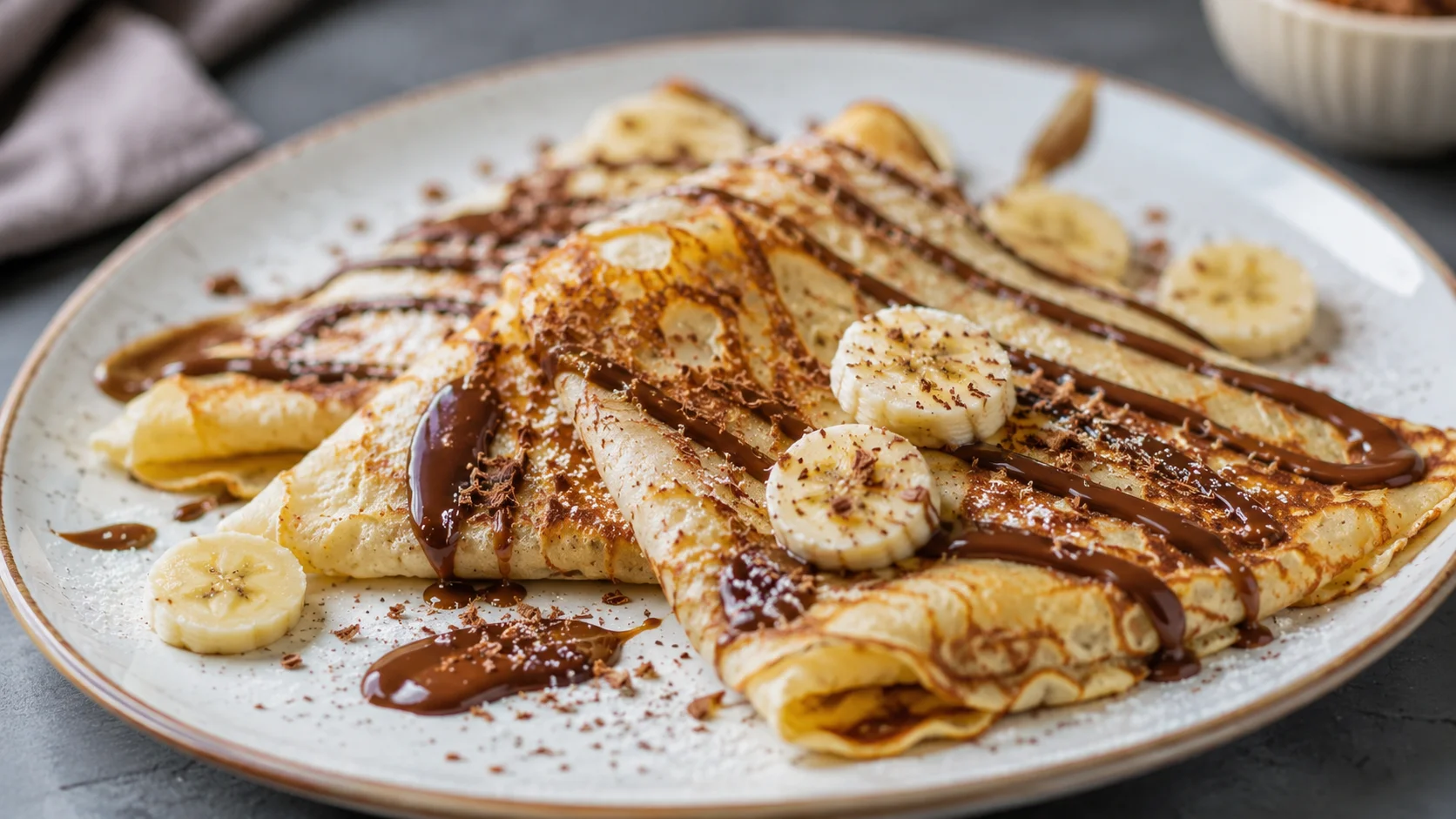
- Nutella and bananas for a sweet dessert version
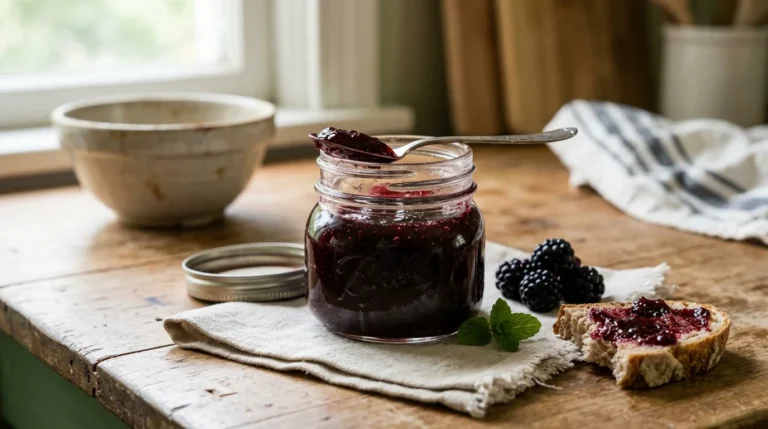
- Apricot or strawberry jam for a classic Balkan style
- Cream cheese and herbs for a savory snack
- Fresh berries with powdered sugar for a light option
- Ham and cheese for a quick lunch wrap
If you like Balkan food, try pairing this with our homemade chicken broth recipe for a full Eastern European meal experience.
My honest experience making this palacinke recipe
The first time I made palacinke, I used heat that was too high. The edges burned before I could even flip them. I almost gave up.
What fixed it was lowering the heat and letting the pan fully warm first. After that, everything changed.
Now I can make them quickly without thinking too much. The batter feels forgiving once you understand the texture.
How to store, freeze, and reheat palacinke recipe properly
Store cooked crepes once they cool fully. Stack them with parchment paper so they don’t stick.
- Room temp: 6–8 hours
- Fridge: 2–3 days in airtight container
- Freezer: up to 2 months
To reheat, warm them in a dry pan for soft edges or microwave for 10–15 seconds. If frozen, thaw at room temperature first.
Frequently asked questions about palacinke recipe
Palacinke Recipe (Soft Balkan Crepes)
Ingredients
Equipment
Method
- Add flour, sugar, salt, eggs, milk, oil, and vanilla into a mixing bowl. Whisk until smooth with no lumps and the batter looks thin and creamy.
- Let the batter rest for 20–30 minutes so the flour fully absorbs the liquid. This helps create soft, flexible crepes.
- Heat a nonstick pan over medium heat and lightly grease it with oil. The pan should be hot but not smoking.
- Pour a small ladle of batter into the pan and quickly swirl it to spread evenly. The layer should be thin and smooth.
- Cook for 1–2 minutes until edges lift and the surface looks dry and lightly golden.
- Flip carefully using a spatula and cook for another 30–60 seconds. The second side should be lightly golden.
- Remove and stack on a plate, repeating until all batter is used. Cover to keep them soft and warm.
Notes
Keep heat at medium to avoid burning or rubbery texture.
Stack cooked crepes with parchment paper to prevent sticking.
Final thoughts on palacinke recipe for everyday cooking

This palacinke recipe is simple once you understand the batter and heat balance. It is one of those recipes that gets easier every time you make it.
You do not need special skills or tools. Just a pan, a bowl, and a little patience.
If you make this, I would love to know how it turned out. Drop a comment below and tell me your favorite filling.