Hojarascas Recipe: 7 Mistakes That Ruin Perfect Cookies

I used to buy hojarascas from little bakery shops every holiday season. They always disappeared too fast, and I never understood why they tasted so light and crumbly. Then I tried making them at home and realized something important — they are actually simple, but very easy to mess up.
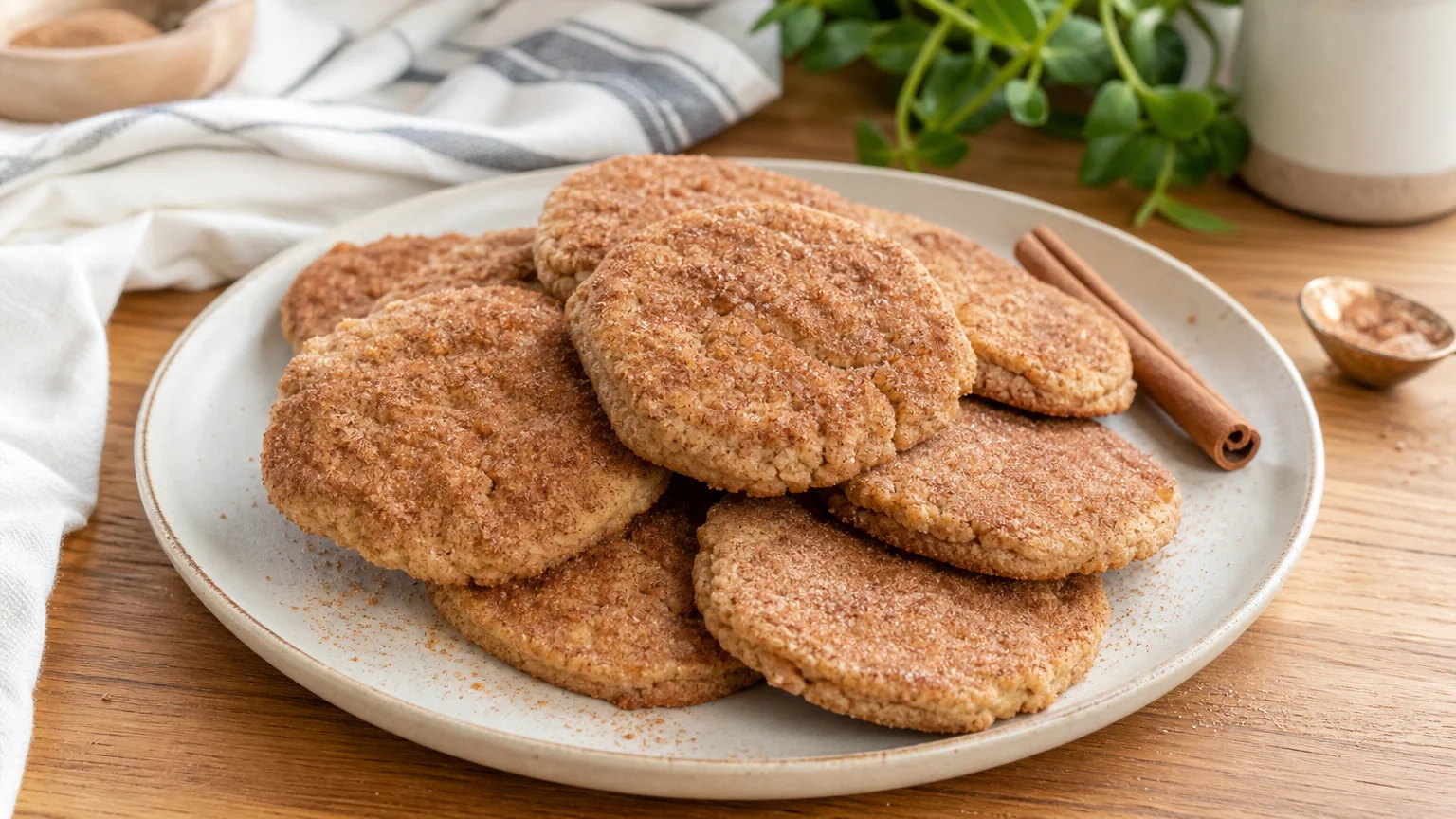
This Hojarascas Recipe is the version I come back to every year. It gives you cookies that are soft inside, lightly crisp outside, and covered in warm cinnamon sugar. No fancy tools needed. Just basic pantry ingredients and a little patience with the dough.
These cookies are also known as pan de polvo, biscochitos, or polvorones, depending on where you grew up. They are popular in Mexico, especially Monterrey and Nuevo León. Let’s break everything down so your first batch turns out right.
What Are Hojarascas Recipe Cookies and Why Do They Crumble So Easily?
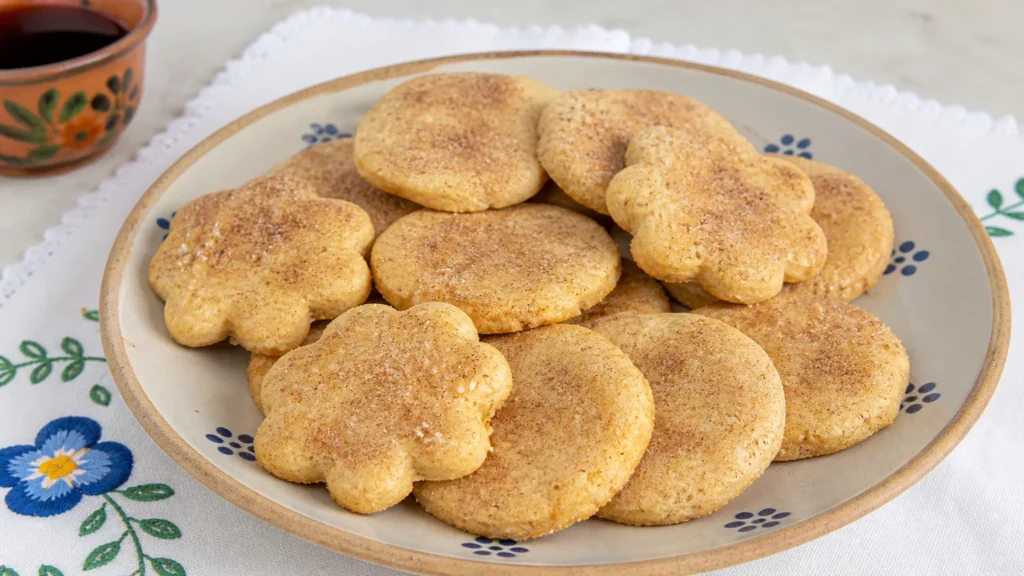
Hojarascas are Mexican shortbread cookies made with flour, fat, sugar, and cinnamon. They are soft, crumbly, and coated in cinnamon sugar. Most people enjoy them during holidays or family gatherings.
The name comes from the Spanish word for dry autumn leaves. Just like leaves, these cookies break apart easily and melt in your mouth. They are lightly sweet and usually flavored with cinnamon, sometimes anise or orange zest.
They are popular because they are simple, affordable, and taste better the next day.
Recipe Overview for Hojarascas Recipe
These cookies are buttery, lightly sweet, and coated in cinnamon sugar. The texture is soft but fragile, so you need to handle them gently after baking.
| Detail | Info |
|---|---|
| Prep Time | 25 minutes |
| Cook Time | 15–20 minutes |
| Total Time | 45 minutes |
| Servings | 24–36 cookies |
| Difficulty | Easy |
| Cuisine | Mexican |
| Calories | ~162 per cookie |
| Cost | $3–$6 per batch |
Cost stays low because the ingredients are pantry basics like flour, sugar, and shortening.
Ingredients and What Each One Does in Hojarascas Recipe

This recipe uses simple ingredients, but each one matters for texture.
Flour gives structure, while shortening or lard creates the crumbly bite. Cinnamon adds warmth, and sugar balances everything.
Key ingredients explained
Shortening or lard controls texture. Lard gives the most traditional crumb. Shortening is easier and still works well.
Mexican cinnamon (canela) gives a soft, sweet spice flavor. Regular cinnamon works, but the taste is stronger and less smooth.
Cinnamon tea helps bind the dough without making it heavy. It also adds a light spice layer.
Real substitutions
- Butter instead of shortening (softer cookies, more spread)
- Almond milk cinnamon tea instead of water
- Orange zest instead of anise for a brighter flavor
Canela vs Cassia Cinnamon (Why It Changes Your Hojarascas Recipe)
Most people use the wrong cinnamon without realizing it.
| Type | Flavor | Look | Coumarin | Price |
|---|---|---|---|---|
| Canela (Ceylon) | Light, sweet | Thin, soft sticks | Very low | Higher |
| Cassia cinnamon | Strong, spicy | Thick, hard sticks | High | Cheaper |
Canela breaks easily between your fingers. Cassia is dense and reddish.
If you only have cassia, use a little less. It is stronger and can overpower the dough.
How to Make Hojarascas Recipe Step by Step
The process is simple. The key is not rushing the dough.
Step 1: Make cinnamon tea
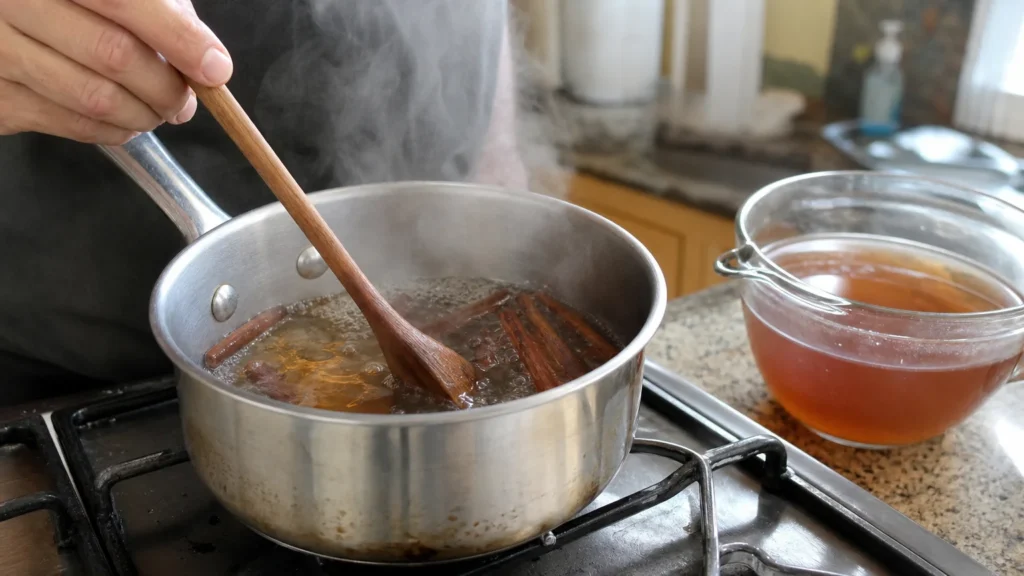
Boil cinnamon sticks in water until fragrant. Let it cool fully. The tea should be room temperature before use.
Step 2: Cream fat and sugar

Mix shortening and sugar until fluffy. It should look smooth and slightly pale. This builds the base texture.
Step 3: Add dry ingredients slowly

Add flour in stages. The dough will look crumbly at first. Keep mixing gently until it comes together.
Step 4: Add cinnamon tea
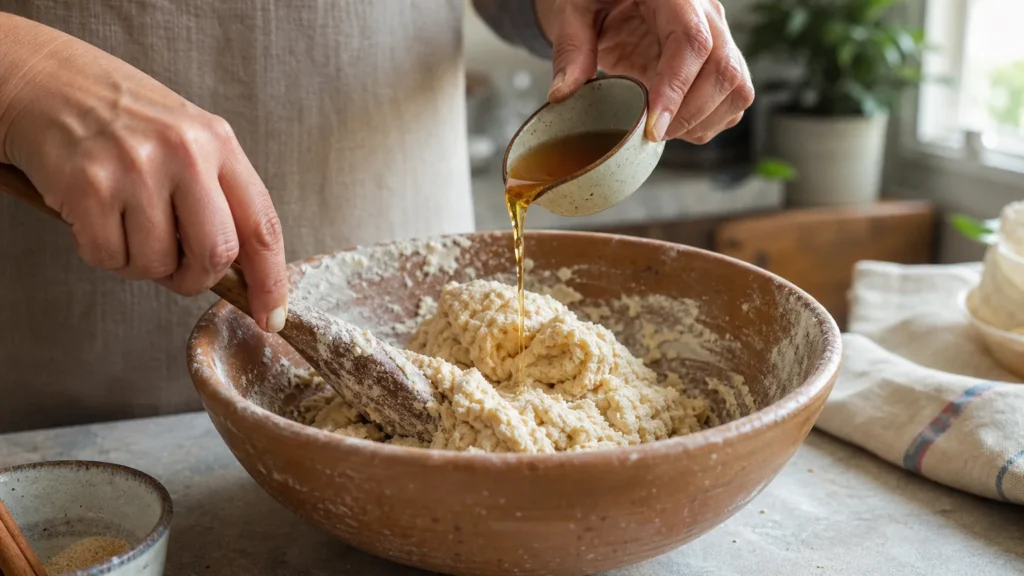
Pour in small amounts. Stop as soon as dough forms. It should feel soft, not sticky.
Step 5: Roll and cut

Roll on a lightly floured surface to about ¼ inch thick. Cut simple shapes like stars or circles.
Step 6: Bake
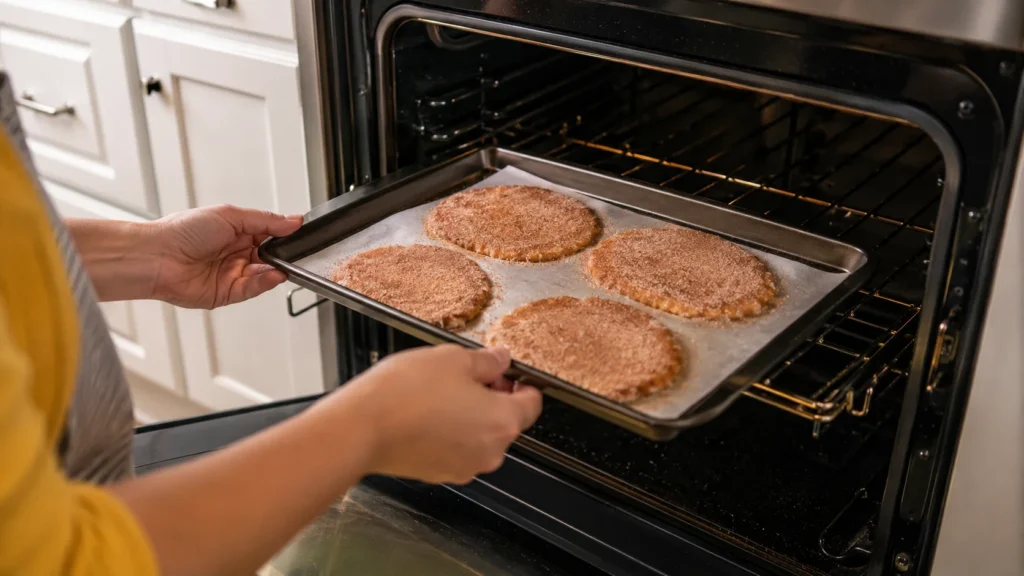
Bake at 350°F for 12–15 minutes until edges turn light golden. You should smell cinnamon in the kitchen.
Step 7: Coat in cinnamon sugar
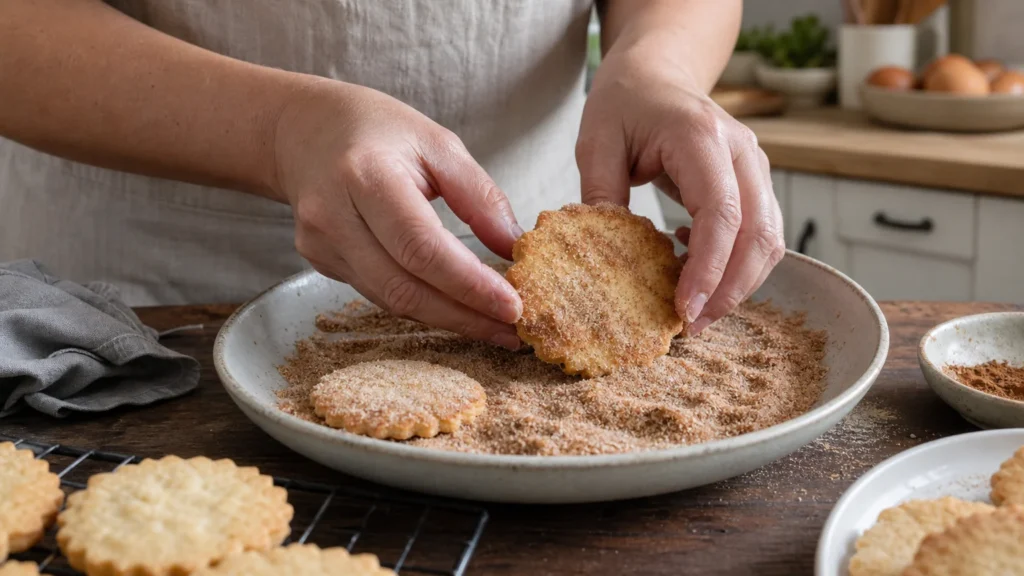
Let cookies cool first. Then gently coat in cinnamon sugar so they don’t break.
The One Mistake That Ruins Hojarascas Recipe Cookies
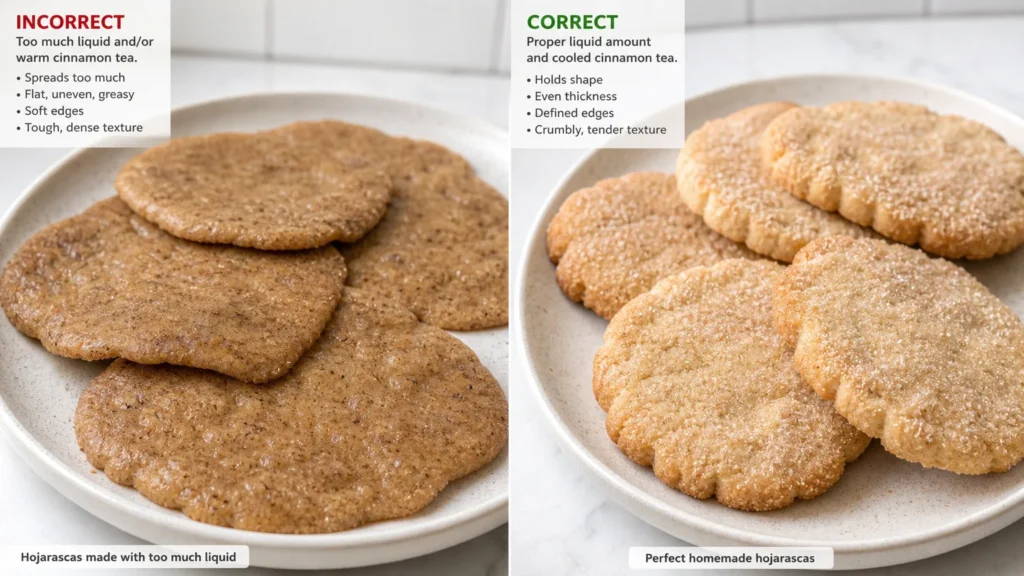
Most failures happen before baking even starts.
First mistake is adding too much liquid. If the cinnamon tea is warm or over-measured, the dough turns sticky and spreads in the oven. Always cool it fully.
Second mistake is over-mixing. This builds gluten and makes cookies hard instead of crumbly. Mix only until dough forms.
Third mistake is coating too early. Warm cookies break apart easily when rolled in sugar.
Quick tips:
- Cool tea completely before using
- Mix just until dough forms
- Let cookies cool before coating
- Use simple cookie shapes
- Keep dough thickness even
Pro Tip for Perfect Hojarascas Recipe Texture
Chilling the dough for 20 minutes makes a big difference.
When the fat is cold, it holds shape better in the oven. This helps the cookies stay thick instead of spreading too thin.
It also makes cutting shapes easier. Warm dough sticks and tears.
Easy Variations You Can Try at Home
- Add orange zest for a light citrus flavor
- Swap shortening with butter for richer taste
- Use anise seeds for a traditional bakery flavor
- Add ground pecans for a nutty texture
- Make vegan version using vegetable shortening only
- Dust with powdered sugar instead of cinnamon sugar
What to Serve With Hojarascas Recipe Cookies
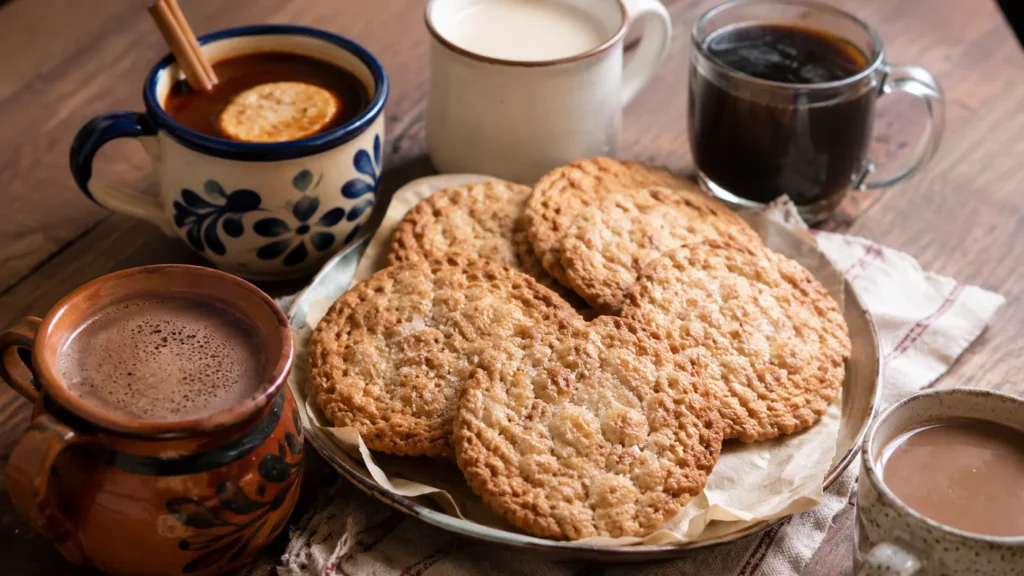
These cookies are usually served with warm drinks. They are light, so they pair well with strong flavors.
- Cafe de olla — sweet Mexican coffee with cinnamon
- Champurrado — thick chocolate drink for winter mornings
- Hot milk — simple and kid-friendly option
- Black coffee — balances the sweetness well
- Hot chocolate — classic holiday pairing
My Honest Experience Making This Hojarascas Recipe
The first time I made these, I added too much cinnamon tea. The dough turned soft and I had to fix it with extra flour, which made the cookies slightly dense.
The next batch, I went slower. I added liquid in small steps and stopped early. That batch came out perfect.
What surprised me most was how fast they bake. You can go from dough to cookies in under an hour if you stay focused.
How to Store, Freeze, and Keep Hojarascas Recipe Cookies Fresh
These cookies are fragile, so storage matters.
Keep them in a container where they are not stacked too tightly. Use parchment paper between layers.
- Room temp: up to 7 days in airtight container
- Fridge: 10–12 days
- Freezer (baked): up to 3 months
- Freezer (dough): up to 2 months
To thaw, let cookies sit at room temperature. Do not microwave or they will break.
Hojarascas vs Polvorones vs Pan de Polvo Explained Simply
These cookies are similar but not identical.
Hojarascas are cut-out cookies with cinnamon coating.
Polvorones often include nuts and feel heavier.
Pan de polvo is softer and sometimes flavored with anise.
They all share a crumbly texture, but each region makes them differently.
Troubleshooting Common Hojarascas Recipe Problems
| Problem | Cause | Fix |
|---|---|---|
| Cookies too hard | Over-mixing dough | Mix only until combined |
| Dough too sticky | Too much cinnamon tea | Add flour slowly |
| Sugar won’t stick | Cookies too hot | Cool fully before coating |
| Cookies spread too much | Butter or warm dough | Chill before baking |
| Cracks when cutting | Dry dough | Add a few drops of tea |
| Burnt bottoms | Oven too hot | Lower temperature slightly |
Where to Buy Ingredients for Hojarascas Recipe
- Lard: Mexican grocery stores or butcher shops
- Canela cinnamon: Latin markets or online stores
- Shortening: regular supermarkets (baking aisle)
- Anise seeds: spice shops or international aisles
Dough Science Behind Hojarascas Recipe Texture
The crumbly texture comes from fat coating the flour.
When shortening or lard covers flour particles, gluten cannot fully form. That is why the cookies stay soft and break easily.
Butter has water, which creates more gluten. That is why butter cookies feel firmer.
Frequently Asked Questions About Hojarascas Recipe

Hojarascas Recipe (Traditional Mexican Shortbread Cookies)
Ingredients
Equipment
Method
- Brew cinnamon tea by simmering a cinnamon stick in water, then let it cool completely. The liquid should be room temperature before using.
- In a large bowl, beat shortening and sugar until smooth and slightly fluffy. The mixture should look pale and creamy.
- Add vanilla, cinnamon, and salt, then mix until fully combined. The dough will smell strongly of cinnamon at this stage.
- Add flour gradually, mixing until the dough becomes crumbly but starts holding together. Avoid over-mixing to keep cookies tender.
- Slowly add cooled cinnamon tea until a soft dough forms. It should feel smooth but not sticky or wet.
- Roll dough on a lightly floured surface to about ¼-inch thickness. The dough should not tear when handled.
- Cut shapes using cookie cutters and place on a parchment-lined baking sheet. Keep cookies evenly spaced for even baking.
- Bake at 350°F (175°C) for 12–15 minutes until edges turn light golden. The cookies should remain pale on top.
- Let cookies cool completely on a rack before handling. They are very fragile while warm and may break easily.
- Mix sugar and cinnamon, then gently coat cooled cookies until fully covered. The coating should stick evenly without melting.
Notes
- Do not coat cookies while warm or they will crumble.
- Add cinnamon tea slowly to avoid a sticky dough.
- Use lard for the most traditional flavor and texture.
Final Thoughts on Hojarascas Recipe

This Hojarascas Recipe works because it keeps things simple. No complicated steps, just careful mixing and proper baking time. Once you understand the dough, it becomes easy to repeat.
These cookies are great for holidays, gifting, or just keeping in a jar for the week. They bring a warm cinnamon flavor that feels homemade every time.
If you make this, I would love to know how it turned out. Drop a comment below.