Sweet Soy Glaze Recipe: Easy Sticky Sweet Sauce for Any Meal

I used to buy bottled sweet soy glaze every week. Then I realized I could make a better version at home in about 15 minutes with ingredients already sitting in my fridge.
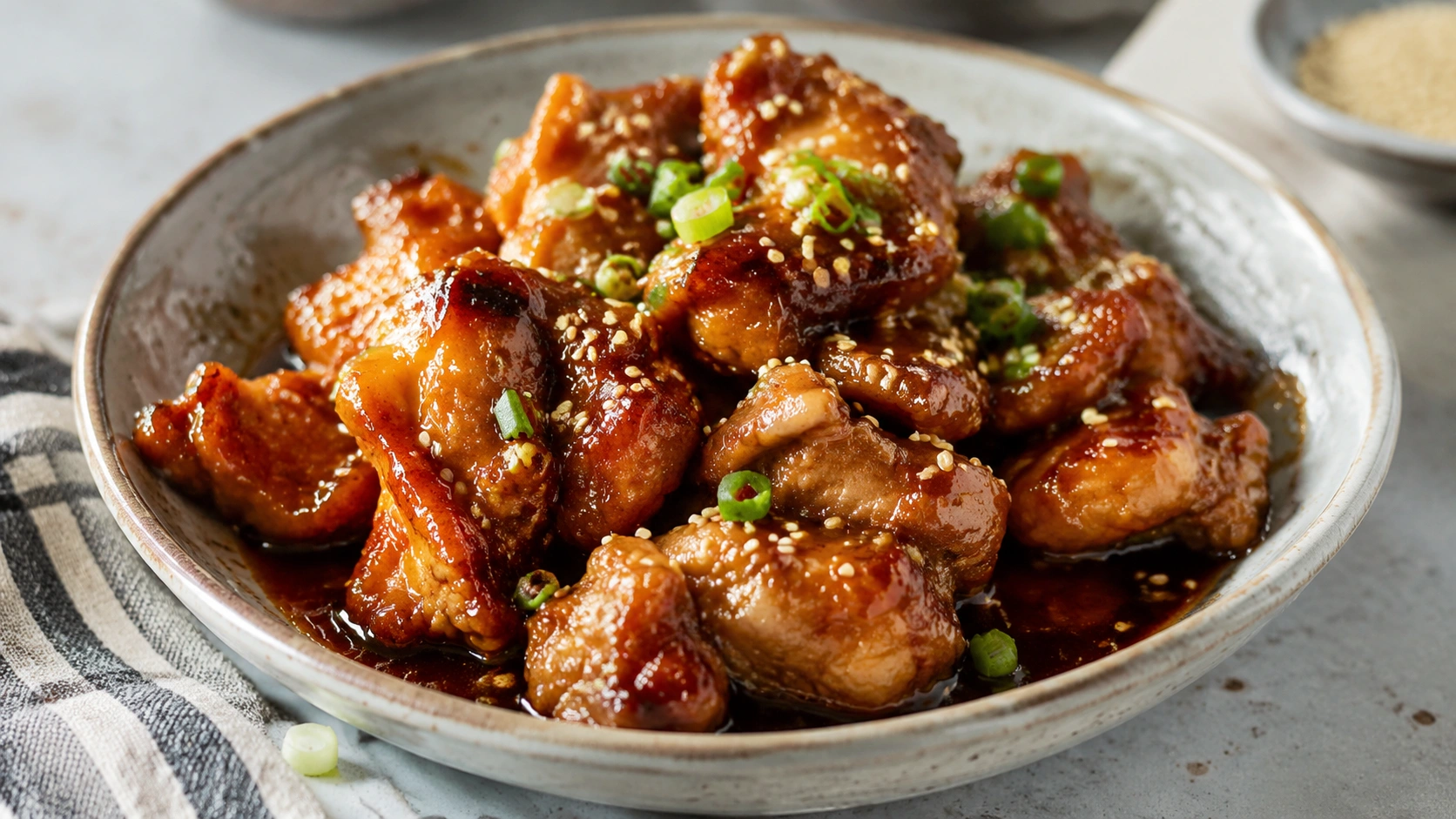
This Sweet Soy Glaze Recipe is thick, glossy, sweet, salty, and packed with deep flavor. It works as a dipping sauce, sticky glaze, marinade, or finishing sauce for everything from homemade sushi rolls to chicken wings and salmon. The best part is the cost. A homemade batch costs far less than bottled glaze from brands like Kikkoman sweet soy glaze, and you can control the flavor, sodium, and sweetness yourself.
I have made this recipe for sushi dinners, Beef Bulgogi, fried rice, and even quick weeknight chicken bowls. Once you learn the texture cues, it becomes one of those easy sauces you can make without even checking the recipe card.
What Is Sweet Soy Glaze Recipe and Why Do People Love It?
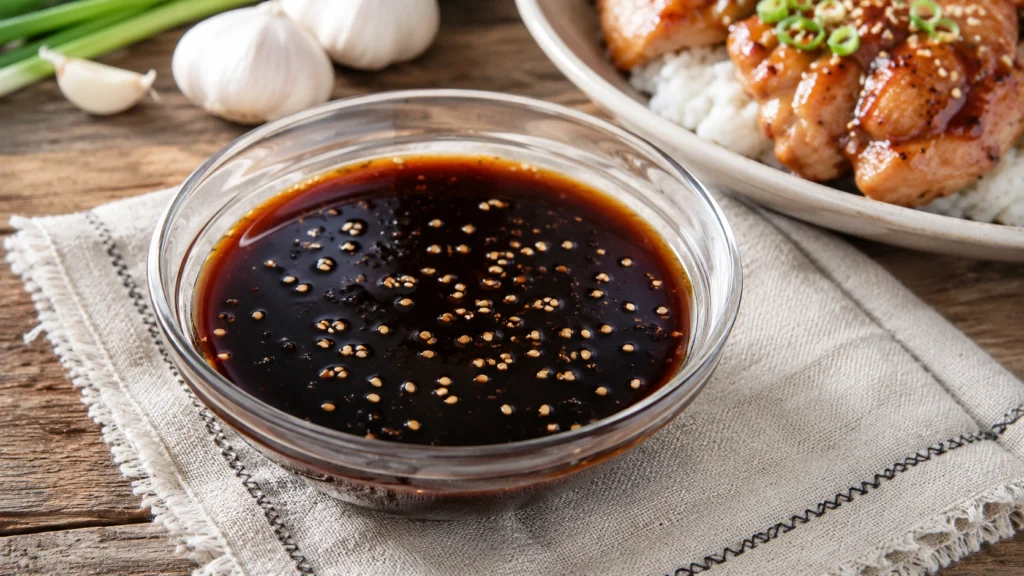
Sweet soy glaze is a thick Asian-inspired sauce made with soy sauce, sweeteners, garlic, and vinegar. It tastes sweet, savory, slightly tangy, and takes about 15 minutes to make. Most people use it for dipping, drizzling, marinades, or brushing onto meats during cooking because it creates a glossy sticky glaze.
This sauce is closely related to Kecap Manis, the Indonesian condiment sometimes spelled ketjap manis. Traditional versions often use palm sugar and soy sauce. Homemade versions usually use brown sugar or honey because they are easier to find.
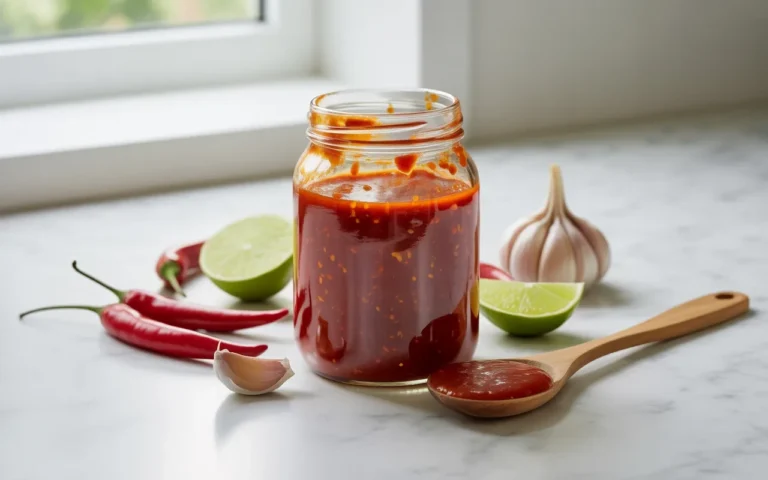
The texture matters just as much as the flavor. A good sticky soy glaze should coat the back of a spoon and slowly drip off instead of pouring like water. It should smell slightly sweet with toasted garlic and ginger once finished.
Why This Sweet Soy Glaze Recipe Works Better Than Bottled Versions
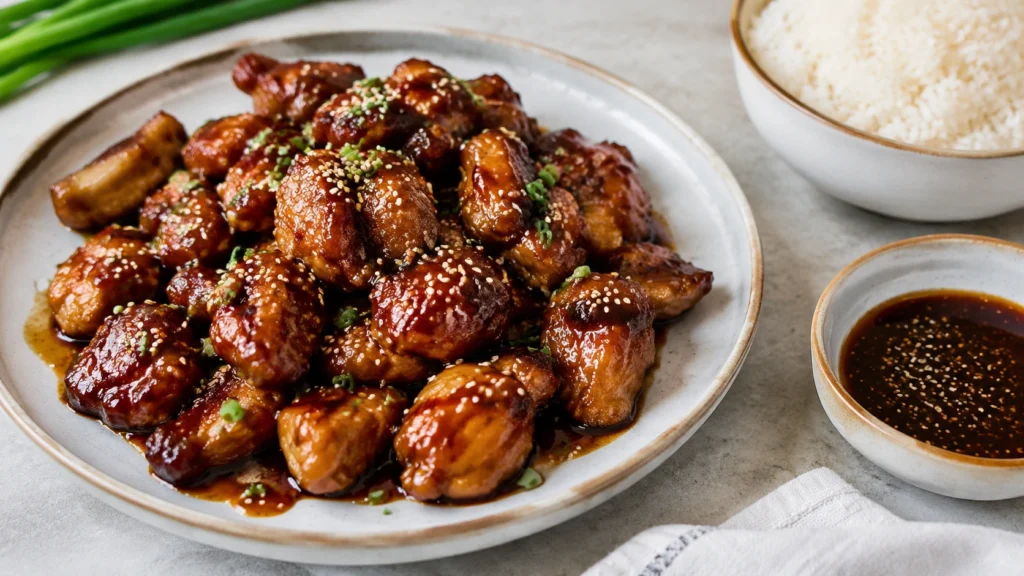
Most store-bought sauces lean too salty or too sweet. Homemade glaze lets you balance both. You also avoid extra preservatives and thickening gums.
This version combines soy sauce, hoisin sauce, honey, rice vinegar, sesame oil, garlic, and ginger. The result tastes rich enough for sushi recipes, stir fry sauce, seafood glaze, or sticky Asian ribs.
A bottle of Kikkoman Sweet Soy Glaze can cost around $7 or more depending on location. Homemade sweet soy glaze usually costs less than $0.10 per tablespoon.
What Ingredients Make the Best Sweet Soy Glaze Recipe?
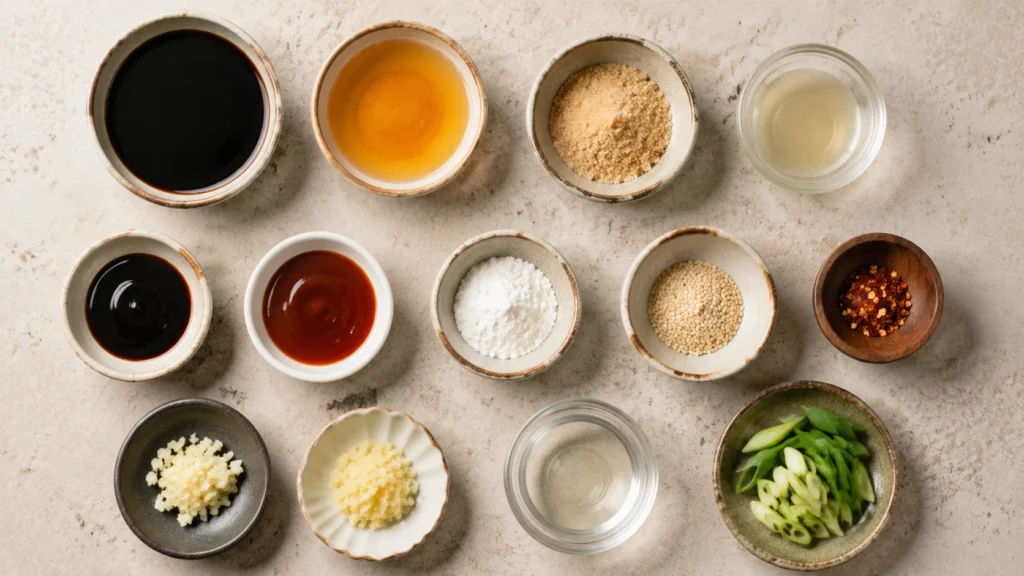
This recipe keeps things simple. Every ingredient has a job, so small changes affect flavor and texture.
- Soy sauce
- Brown sugar or honey
- Hoisin sauce
- Rice vinegar
- Sesame oil
- Minced garlic
- Minced ginger
If you want deeper Indonesian-style flavor, use palm sugar instead of brown sugar. Palm sugar gives the sauce a darker color and softer sweetness.
Regular soy sauce works best for balance. Dark soy sauce can make the glaze too salty and heavy. Light soy sauce creates a cleaner finish but slightly lighter color.
Rice vinegar matters because the acid helps balance the sugar. It also helps stop sugar crystals from forming as the sauce cools.
Hoisin sauce adds body and a little spice. If you skip it, the glaze tastes thinner and less rounded.
You can swap fresh garlic and ginger for garlic paste and ginger paste when short on time. I do this often for weeknight meals and honestly notice very little difference.
For a gluten free sweet soy glaze recipe, use tamari instead of regular soy sauce and double-check the hoisin sauce label.
How to Make Sweet Soy Glaze Recipe Without Burning the Sugar
The cooking process moves fast, so keep everything ready before turning on the stove. Use a small saucepan or silver sauce pan with enough room for bubbling.
1. Toast the aromatics
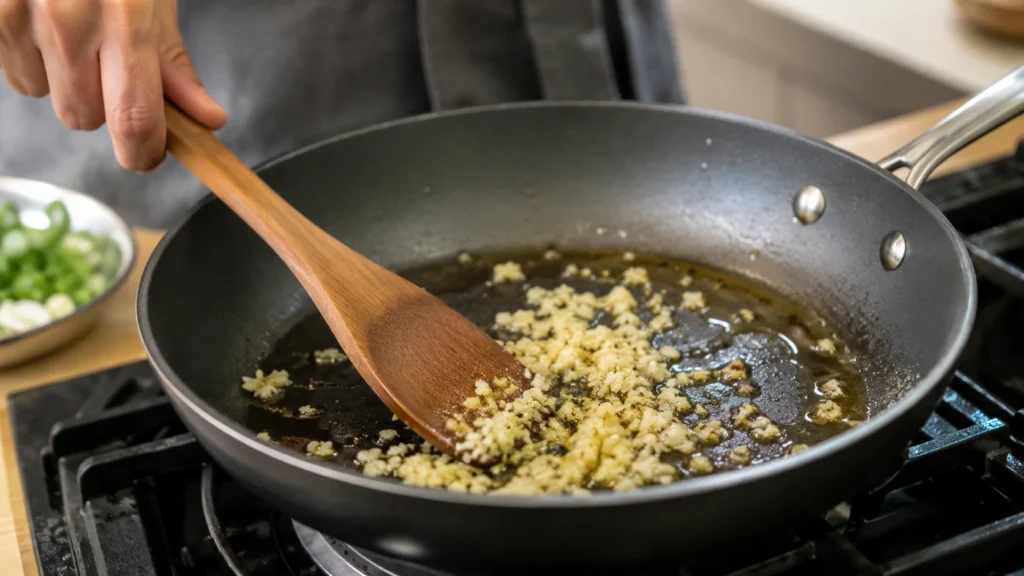
Add sesame oil to the pan over medium-low heat. Add minced garlic and ginger.
Cook for about 30 seconds until the garlic smells fragrant and slightly nutty. Do not brown it too much or the sauce can turn bitter later.
2. Add the liquids and sugar
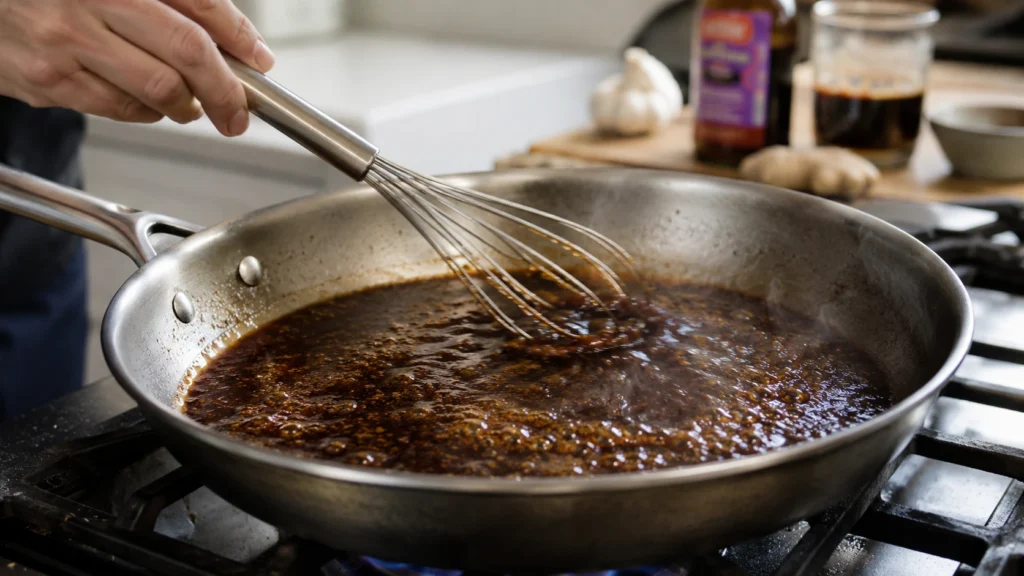
Whisk in soy sauce, honey or brown sugar, hoisin sauce, and rice vinegar.
Bring everything to a gentle boil while stirring frequently. The sauce will look thin at first. That is normal.
3. Simmer until glossy
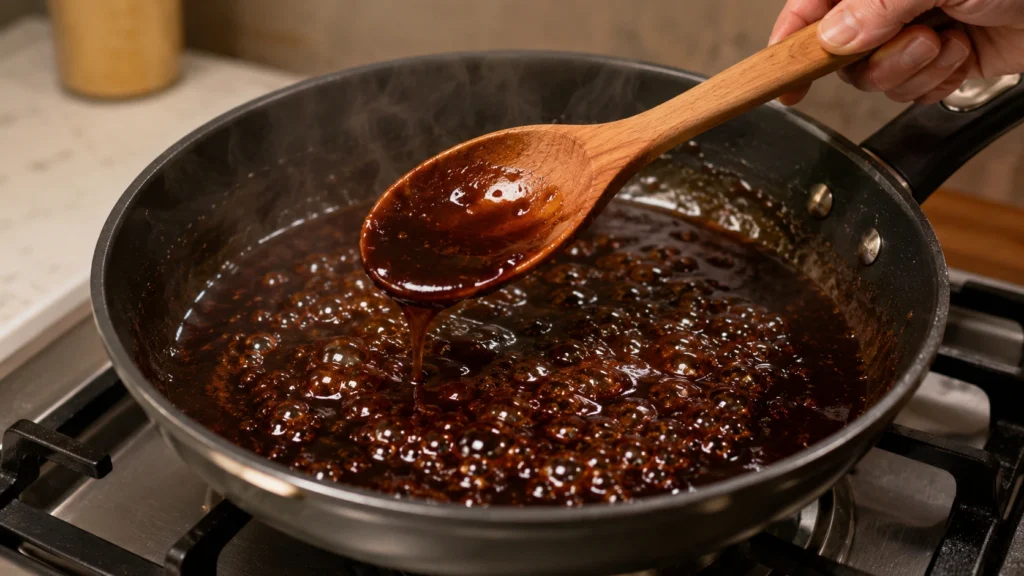
Lower the heat and simmer 10–12 minutes. The bubbles should look slow and shiny, not aggressive.
The sauce should reduce by about half and coat the back of a spoon. If you drag a spoon through the pan, the line should stay visible for a second before filling back in.
4. Cool before judging thickness
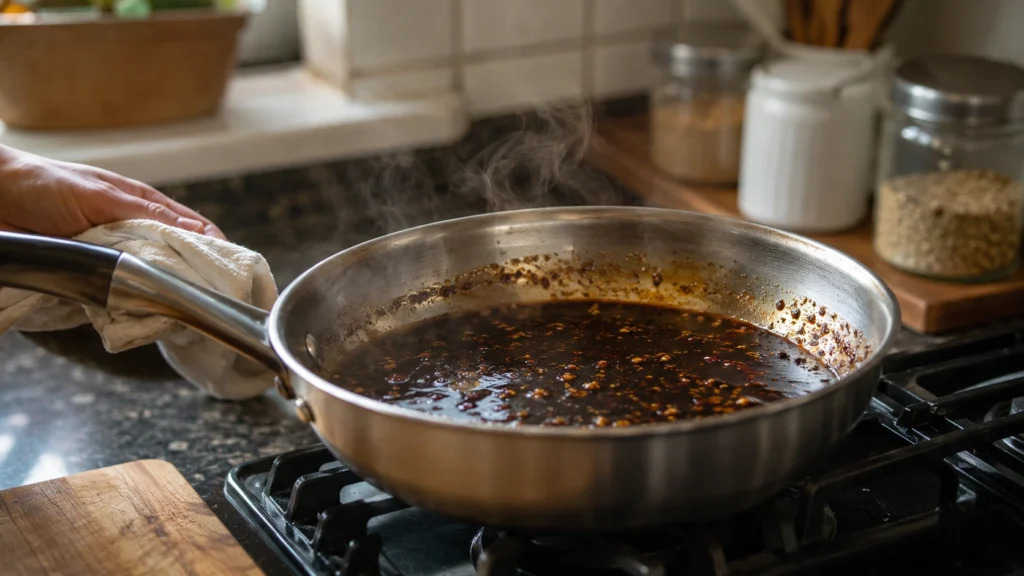
Remove from the heat and let cool for several minutes.
This step matters because glaze thickens as it cools. Many people overcook the sauce because they expect it to look thick immediately in the pan.
The Common Mistake That Ruins Most Sticky Soy Glaze
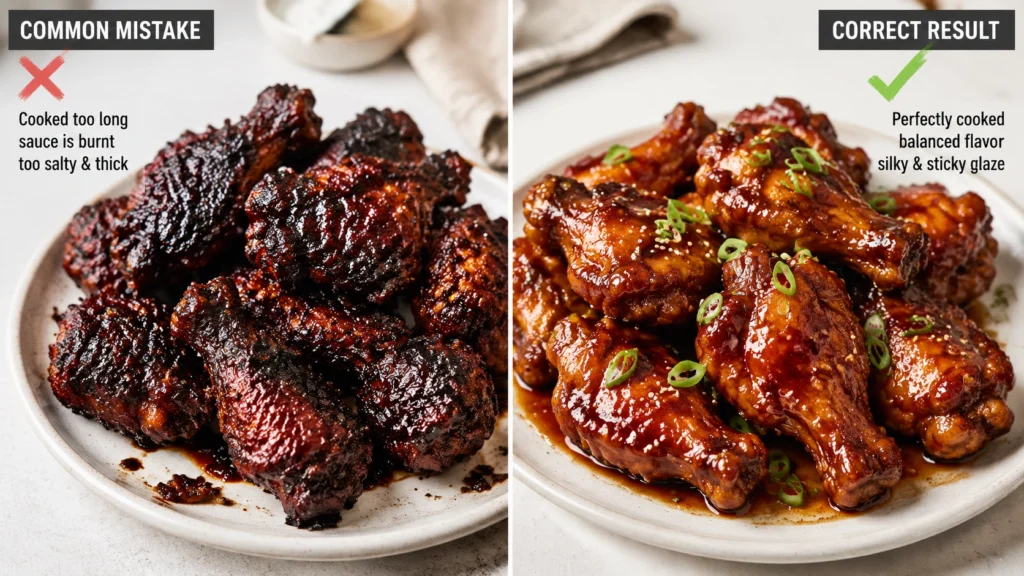
The biggest mistake is cooking the glaze too long over high heat.
Sugar-based sauces change fast. Once too much water evaporates, the sauce goes from silky to sticky candy in less than a minute. Instead of a drizzle, you end up with a hard salty glaze that barely spreads.
Another common problem is using dark soy sauce. It sounds like it would create deeper flavor, but it often makes the sauce overpoweringly salty. Stick with regular soy sauce or Health impact of sodium in soy sauce for better balance.
The third mistake is testing thickness while the sauce is still boiling hot. Hot glaze always looks thinner than cooled glaze.
Quick fixes that help every time:
- Keep the heat medium-low once boiling starts
- Stop cooking when the sauce lightly coats the spoon
- Let the glaze cool before deciding it needs more reduction
- Stir often so sugar does not scorch on the bottom
- Use a wider pan for faster even reduction
Why Sweet Soy Glaze Thickens as It Cools
This small detail confuses many first-time cooks.
When the sauce cooks, water evaporates and the sugar concentration increases. As the glaze cools, the sugar molecules tighten and the sauce becomes thicker naturally.
The vinegar also helps. Acid breaks down some sugar crystals, which helps the glaze stay smooth instead of grainy. That is one reason rice vinegar matters in this recipe.
Caramelization starts at high temperatures. If the pan gets too hot, sugars burn instead of reducing smoothly. Burned sugar tastes bitter and can ruin the whole batch quickly.
What Easy Variations Work Best for Different Meals?
Once you learn the base recipe, you can shift the flavor in different directions depending on what you serve it with.
- Add gochujang and extra sesame oil for a Korean sweet soy glaze recipe great on Korean Fried Chicken Wings.
- Use mirin instead of honey for a more Japanese sweet soy sauce recipe for sushi and ramen eggs.
- Stir in Sriracha or chili sauce for spicy chicken wings or shrimp bowls.
- Add lime juice and zest for seafood glaze on salmon, ahi tuna, or mahi mahi.
- Swap brown sugar for palm sugar for a richer Kecap Manis flavor.
- Use hoisin sauce instead of oyster sauce for a vegan-friendly version.
What to Serve With Sweet Soy Glaze Recipe for the Best Results
This sauce works with far more than sushi recipes. I probably use it at least once a week.
- Brush it onto salmon or chicken during the final cooking minutes for a glossy sticky finish.
- Serve it beside homemade sushi rolls, gyoza, dumplings, or tuna nigiri as a dipping sauce.
- Toss it into stir fry dishes like Chicken Lo Mein or Yaki Udon for quick flavor.
- Spoon it over fried rice, Beef Bulgogi, or Asian style meatballs.
- Drizzle it onto lettuce wraps, tacos, or grilled veggies for extra sweet savory flavor.
If you like bold sauces, our homemade Vietnamese Dipping Sauce and Easy Asian Chicken Noodle Soup also pair really well with these flavors.
My Honest Experience Making This Sweet Soy Glaze Recipe
The first time I made this glaze, I burned it badly because I kept waiting for it to look thick in the pan. By the time it cooled, it turned into something closer to chewy candy than sauce.
Lower heat fixed everything. Now I stop cooking earlier than I think I should. I also started using garlic paste on busy nights, and the results stayed almost the same.
One surprise was how much better homemade glaze tasted with sushi. Bottled versions felt flat after that. The homemade sauce had more depth and a cleaner finish.
How to Store, Freeze, and Reheat Sweet Soy Glaze Recipe
Sugar and salt help preserve the sauce, but storage still matters. Always use a clean spoon so bacteria does not get introduced into the container.
| Storage Method | Time | Notes |
| Room temperature | 2 hours | After that, refrigerate |
| Fridge | 2–3 weeks | Store in airtight container |
| Freezer | 2 months | Freeze in small portions |
If the glaze smells sour, develops mold, or becomes oddly fizzy, throw it away.
To reheat, warm gently in a saucepan or microwave for a few seconds. If it becomes too thick, stir in a teaspoon of warm water.
Questions Do People Ask About?
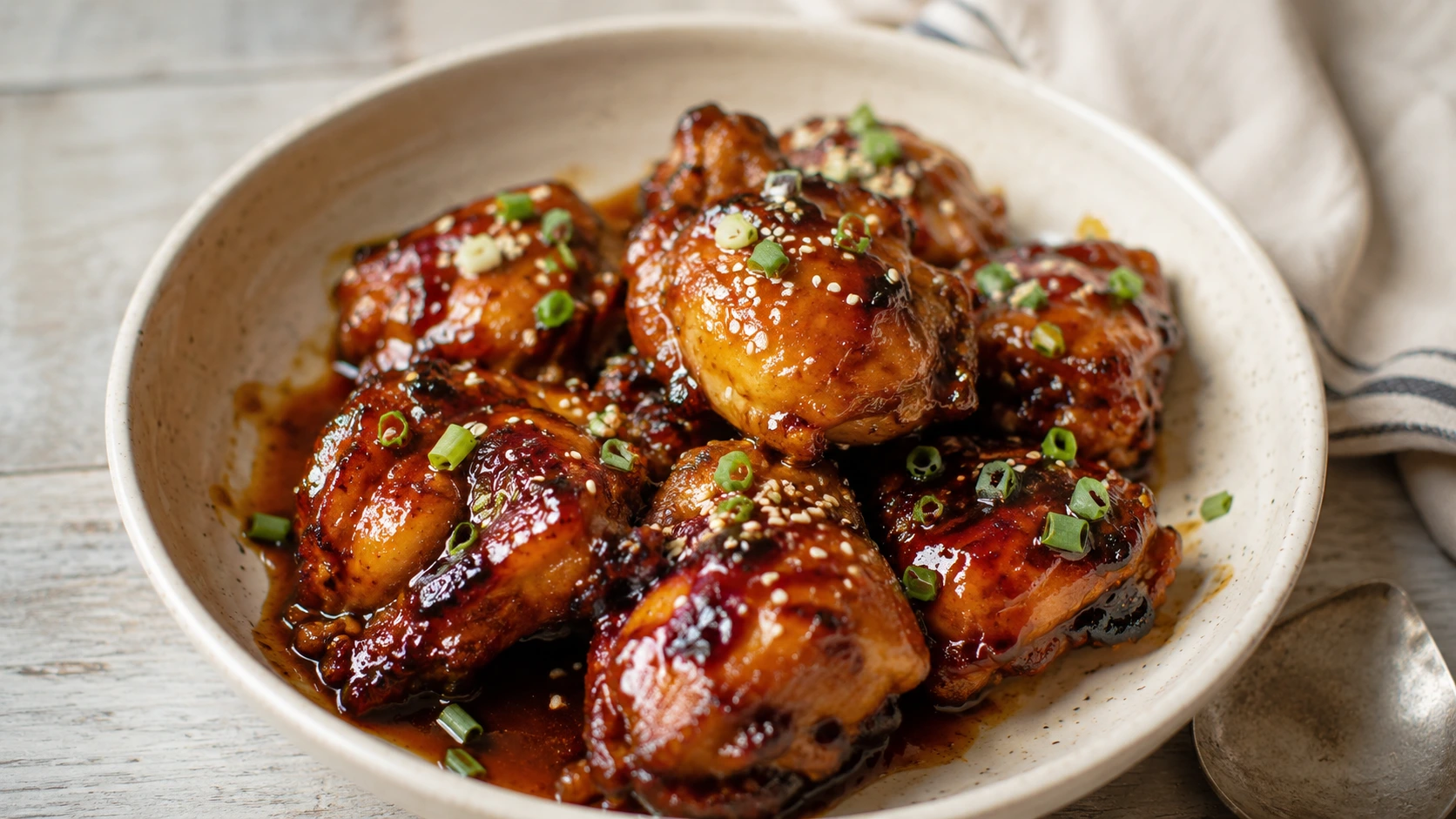

Sweet Soy Glaze Recipe
Ingredients
Equipment
Method
- Heat sesame oil in a small saucepan over medium-low heat until warm and fragrant.
- Add minced garlic and ginger, cooking for 30 seconds until aromatic but not browned.
- Pour in soy sauce, brown sugar, hoisin sauce, and rice vinegar. Stir well to combine.
- Bring mixture to a gentle simmer while whisking to prevent sugar from sticking.
- Reduce heat and simmer for 8–10 minutes until slightly thick and glossy.
- Stir occasionally and watch for slow bubbling and syrup-like consistency.
- Remove from heat once it coats the back of a spoon lightly.
- Let it cool for a few minutes so it thickens naturally before using.
Notes
- Sauce thickens more as it cools, so don’t over-reduce it on heat.
- Use low-sodium soy sauce if you want a lighter, less salty glaze.
- Store in an airtight jar in the fridge for up to 2–3 weeks.
Final Thoughts on Sweet Soy Glaze Recipe
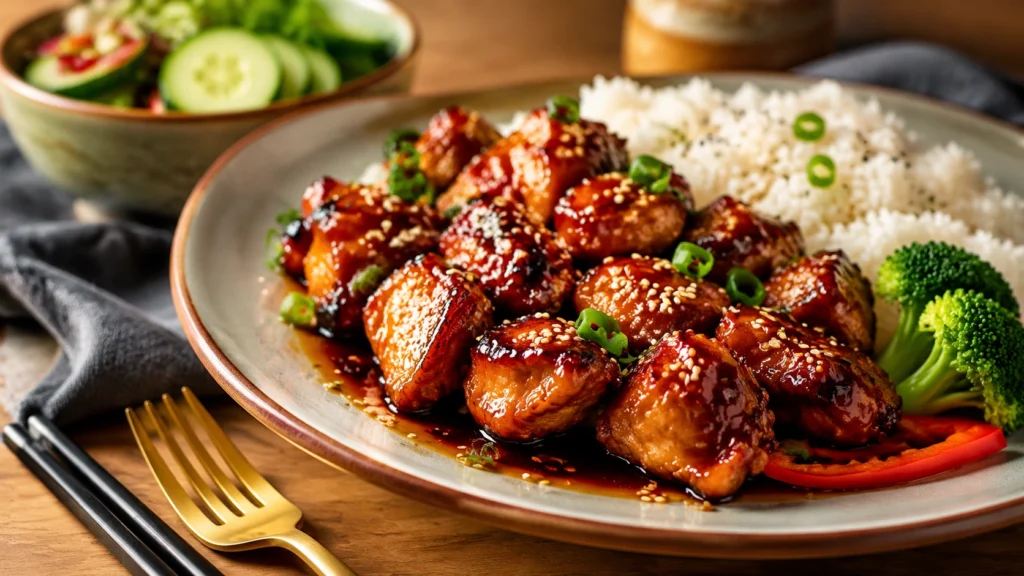
This Sweet Soy Glaze Recipe works because it stays simple. A few pantry ingredients turn into a thick glossy sauce that fits almost any dinner. You can use it for sushi, chicken, seafood, noodles, rice bowls, or even quick dipping sauces during busy weeknights.
Once you make it at home, bottled glaze starts tasting one-dimensional. Homemade sauce gives you better flavor, lower cost, and more control over sweetness and sodium. If you make this, I would love to know how it turned out. Drop a comment below and share what you served it with.
Discover more easy sauces and meals at Cookiva Recipe https://cookivarecipe.com/ for more delicious recipes you’ll love making at home.