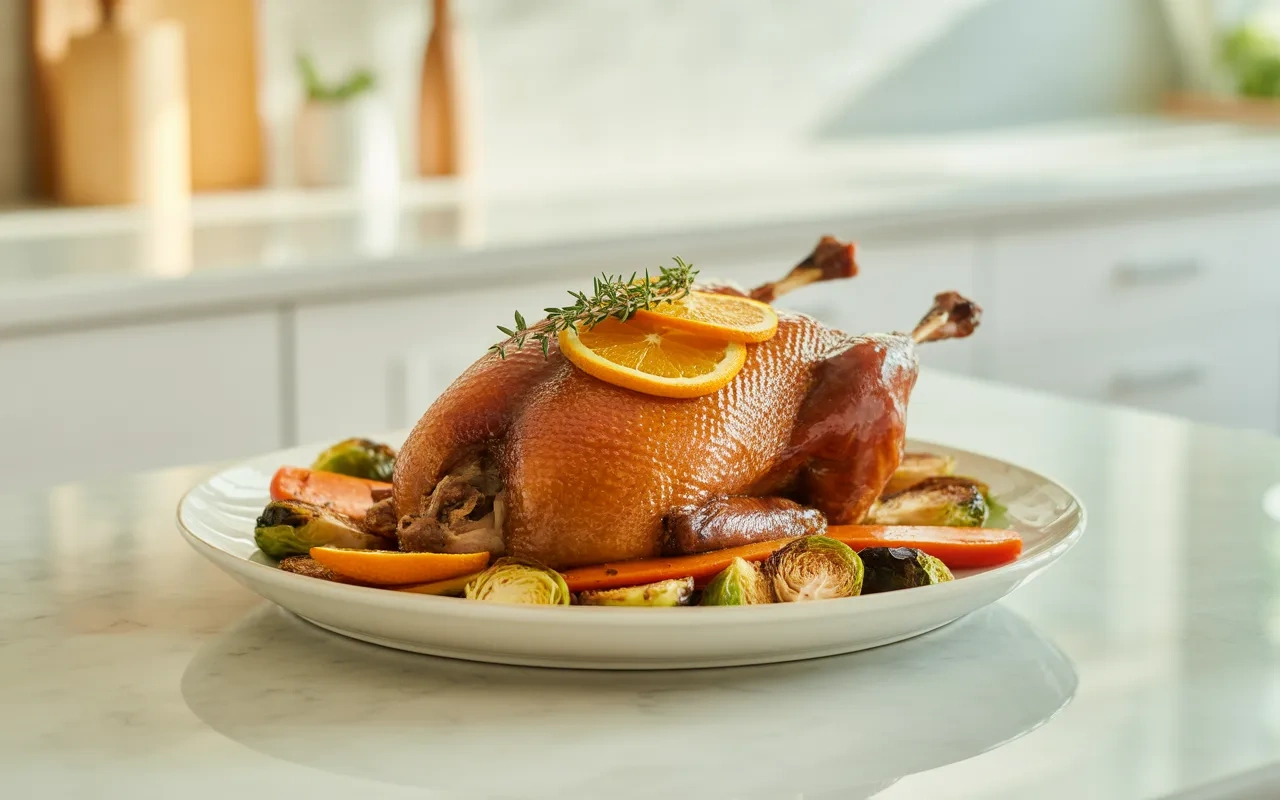
Orange Duck Recipe: Easy Homemade Crispy Duck in 5 Steps

If you’ve ever walked into a French bistro and caught a whiff of perfectly roasted duck with an orange glaze, you know the kind of aroma that stops you in your tracks. That sweet tangy scent, the crackle of crisp skin under your fork, and the tender, unctuous meat duck à l’orange has an almost theatrical appeal. For a long time, I admired it from afar, thinking it was a complicated, restaurant only dish. But after several weekends experimenting with duck breast halves, rendered
duck fat, and homemade orange sauce, I realized it’s very achievable at home, with a few key techniques and a little patience. This orange duck recipe combines juicy, scored duck breasts with a rich, citrusy sauce made from fresh orange juice, Seville orange marmalade, Grand Marnier, and a hint of sherry vinegar. The result is a beautiful balance of crisp skin, tender meat, and sweet sour notes that dance across your palate. It’s perfect for a holiday table, a winter weekend dinner,
or any special occasion where you want your meal to impress without requiring a Michelin trained kitchen. Beyond the flavors, making duck à l’orange teaches you the art of fat rendering, sauce reduction, and balancing acidity. Each step from blanching the zest to simmering the sauce to a nappe thick consistency is part of why this dish is cherished around the world.
Love this orange duck recipe? Discover more delicious recipes on Cookiva Recipe and start cooking something new today.
What Is Orange Duck Recipe and Why It’s Popular
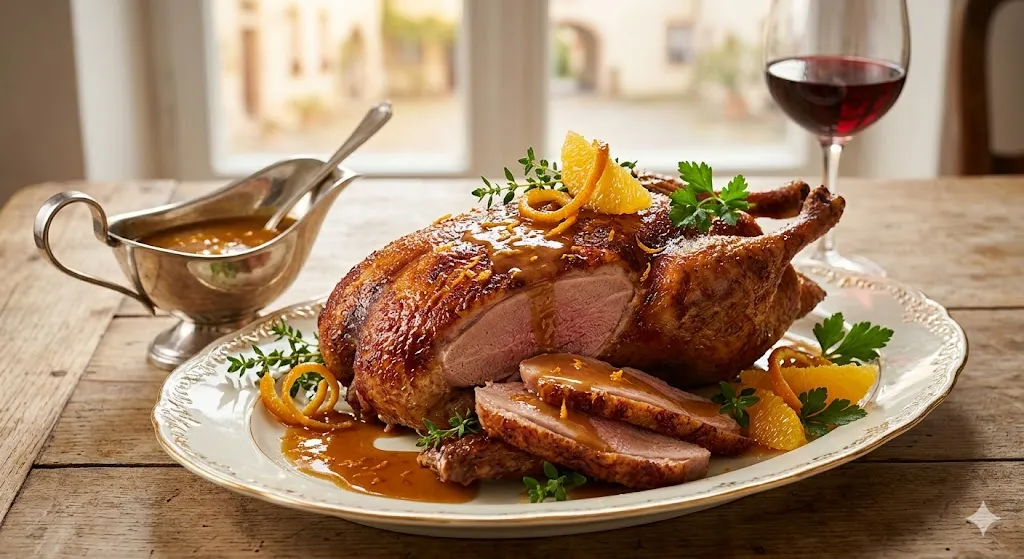
Duck à l’orange, or orange duck recipe, is a classic French dish with a storied history dating back to the royal kitchens of France. It features roasted duck paired with a citrus based sauce called sauce bigarade, traditionally made with bitter oranges. Over time, chefs have modernized it with sweeter varieties like navel or Seville oranges, sometimes adding Grand Marnier or sherry vinegar for depth.
Its popularity stems from the combination of textures and flavors: the crispy, caramelized skin, the tender, juicy meat, and the vibrant, sweet tangy sauce. It’s a dish that turns a meal into an occasion, whether served at Christmas, New Year’s Eve, or a celebratory weekend dinner. Today, home cooks and professional chefs alike enjoy it for its elegance, flavor complexity, and the culinary skill it teaches.
For a fun, restaurant-style meal at home, this Hibachi on Blackstone Recipe shows how to make sizzling fried rice, tender meats, and crisp vegetables quickly.
Recipe Overview: What Makes This Orange duck recipe
So Special
This dish hits all the sensory marks. The scored duck skin crisps perfectly while the fat renders away, leaving a tender, juicy interior. The orange sauce has depth, with Seville orange marmalade adding brightness, sherry vinegar cutting through richness, and Grand Marnier bringing warmth and complexity. There’s a sweet sour balance that feels both comforting and sophisticated.
Orange duck recipe works well for hosting because it can be made ahead in stages: the sauce reduces in advance, the duck can be prepped or even partially roasted, and the final assembly is quick. It’s a show stopping dish without requiring constant attention once you understand the technique.
| Detail | Information |
| Prep Time | 30 mins |
| Cook Time | 2 hrs |
| Total Time | 2 hrs 30 mins |
| Servings | 2–4 |
| Difficulty | Medium |
| Cuisine | French |
| Calories | Approx. 580 kcal per serving |
Ingredients and Why Each One Matters
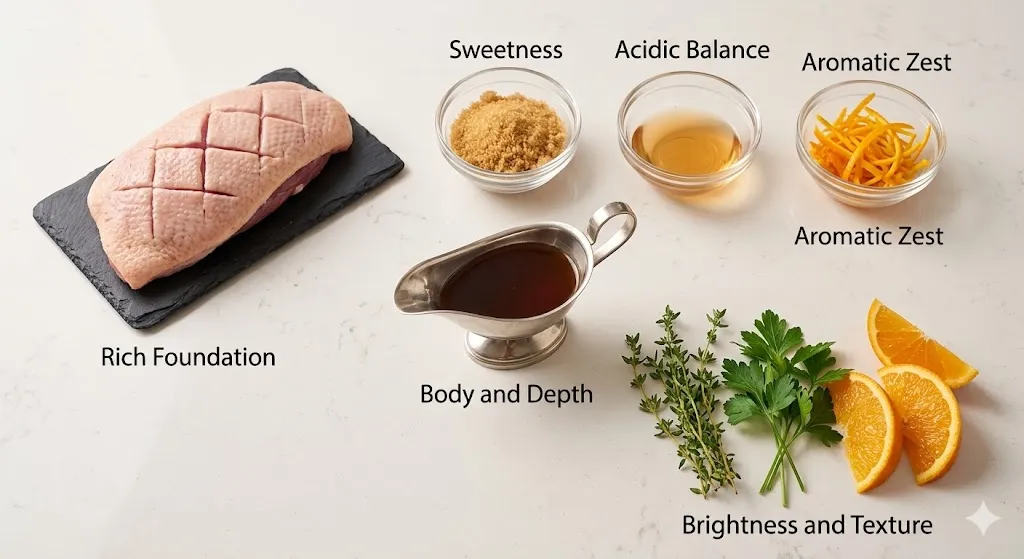
Every ingredient in this recipe has a purpose. The duck provides richness and flavor, while scoring the skin allows fat to render and ensures crispiness. Oranges bring acidity, sweetness, and fragrance. Stock and Grand Marnier deepen the sauce, and a touch of butter and cornstarch ensures a velvety, well coated finish.
- Duck breast halves, scored in a crosshatch pattern for even fat rendering
- Chicken broth or duck stock to add savory depth
- Grand Marnier to enhance orange flavor (can substitute with orange juice concentrate for alcohol free version)
- Sherry vinegar for brightness and balance
- Seville orange marmalade to concentrate sweet tangy flavor
- Orange zest, thinly sliced or microplaned for aroma
- Cayenne pepper for subtle warmth
- Duck fat for crisping skin and roasting
- All purpose flour and unsalted butter for thickening sauce
- Green beans or vegetables as a fresh side
- Kosher salt and black pepper for seasoning
- Optional: yuzu ponzu or candied orange peel for garnish and extra citrus punch
How to Make Orange Duck Recipe the Right Way
The key to success is managing heat and timing. Duck skin won’t crisp if the fat isn’t rendered slowly at medium heat, and the sauce won’t balance unless reduced properly.
- Score the duck breast halves in a crosshatch pattern and season with kosher salt and black pepper.
- Heat duck fat in a heavy skillet over medium heat. Place duck skin side down and cook slowly until the fat renders and the skin turns golden brown and crisp. Flip and cook until medium rare (internal temp 140 degrees F / 60 degrees C). Rest on a plate.
- In a saucepan, combine freshly squeezed orange juice, Seville orange marmalade, sherry vinegar, and a pinch of cayenne. Bring to a simmer, whisking until slightly thickened.
- Deglaze the duck skillet with chicken broth or stock, then add to the reduced sauce. Stir in Grand Marnier and gently simmer until the sauce coats the back of a spoon (nappe consistency).
- Mix a beurre manié of flour and butter to thicken further if needed.
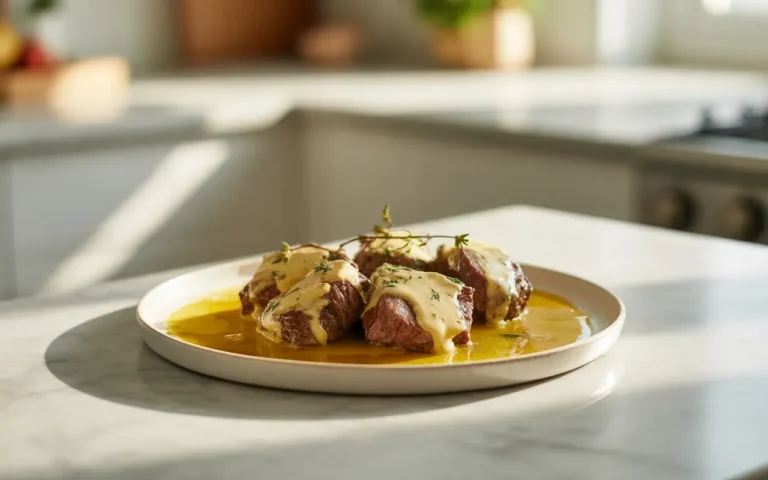
- Slice the rested duck, arrange on a serving platter, drizzle with orange sauce, and garnish with thin orange zest strips or candied peel. Serve alongside steamed green beans or roasted vegetables.
If you want bold, spicy flavor without leaving your kitchen, this Dave’s Hot Chicken Recipe teaches you how to get crispy, fiery chicken just like the originals.
Pro Tip for Crispy Skin and Juicy Meat
The most overlooked trick is temperature control. Starting the duck on medium rather than high heat allows the fat to render fully without burning the skin. This step makes the difference between a soft, greasy exterior and crisp, crackling skin. Pat the duck dry with paper towels before cooking and resist the urge to rush. It’s a slow but rewarding process.
Common Mistakes That Ruin Orange Duck recipe
Many home cooks either burn the skin or undercook the meat. Overheating too early causes blackened skin, while skipping rest time results in dry meat. Similarly, sauce missteps too bitter from Seville oranges or too thin can undermine the dish.
Key tips:
- Score skin properly for even fat rendering
- Use medium heat and allow time for crisping
- Rest meat before slicing
- Simmer sauce gently to avoid bitterness
- Balance sweetness and acidity in the orange sauce
Variations and Substitutions to Orange duck recipe
at Home
Variations allow flexibility:
- Substitute Muscovy or Pekin duck depending on availability
- Use navel oranges if Seville are unavailable; adjust sugar for sweetness
- Skip Grand Marnier, using additional orange juice or a splash of white wine instead
- Add fresh herbs like thyme or rosemary to the sauce for a fragrant twist
- For a lighter version, render only half the duck fat and roast the rest in the oven
My Experience Making This Orange duck recipe
at Home
- The first time I tried this, I burned the skin by cranking the heat too high. The meat was still
- juicy, but the crispy exterior was lost. On the next attempt, I rendered the fat slowly in a cast
- iron skillet, reduced the orange sauce carefully, and rested the duck properly. The result was
- transformative: crackling skin, rich meat, and a balanced sweet sour sauce that made
- everyone at the table swoon. One small trick I learned was to zest the orange just before
- finishing the sauce, which preserves the bright aroma and flavor.
Discover more flavorful main dishes to serve alongside this orange duck recipe for a complete meal.
Benefits of Orange Duck Recipe
This dish isn’t just indulgent, it offers sensory and culinary rewards. Cooking it teaches patience, understanding fat rendering, and balancing flavors. The orange sauce adds vitamin C and brightness, while the protein from duck breast makes it filling and satisfying.
Benefits include:
- Crispy, flavorful skin paired with juicy, tender meat
- Sweet sour balance that appeals to a wide audience
Perfect for - holiday tables or impressive dinner parties
- Teaches valuable cooking techniques like sauce reduction and fat rendering
Supporting Information: Traditional Roots and Technique
Duck à l’orange traces back to 16th century French courts, often associated with Catherine de’ Medici and the Duke of Orléans. Its techniques scoring, slow rendering, and sauce reduction remain foundational in French kitchens. Understanding the gastrique (vinegar and sugar base) is key to mastering the sauce and avoiding bitterness.
For a cozy, flavorful meal, this Tagine Recipe shows how to slow-cook tender meat and vegetables with aromatic spices for authentic Moroccan taste.
Orange duck recipe FAQ Real Questions People Ask
Storage, Freezing, and Reheating Best Practices
For best results, cool the duck and sauce before storing. Refrigerate in separate airtight containers. Reheat gently on the stovetop to preserve texture and flavor. Avoid microwaving, which can toughen the meat and split the sauce.
- Refrigeration: 3 days
- Freezing: 2–3 months
- Reheating: Low medium heat on stovetop
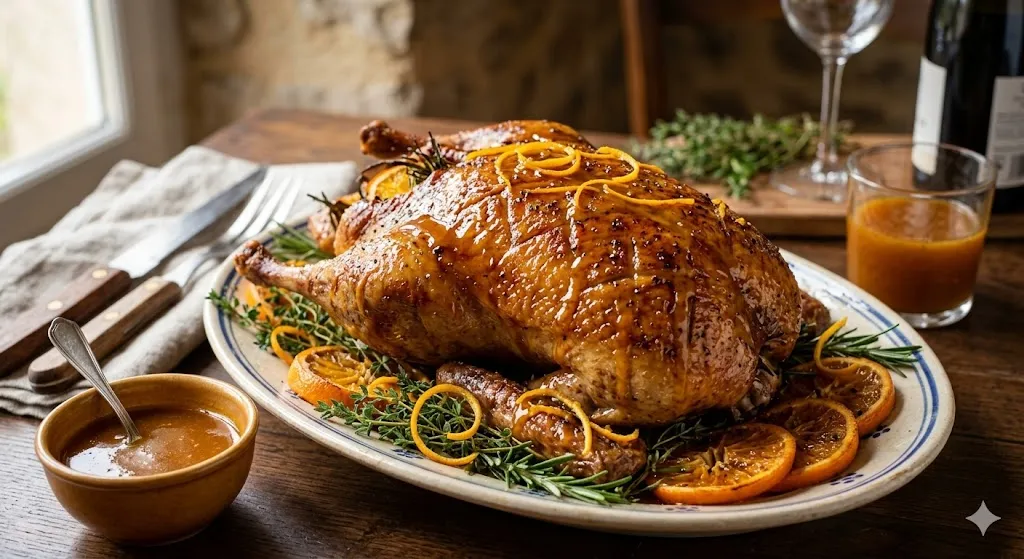

Orange duck recipe
Ingredients
Equipment
Method
- Preheat the oven to 375°F (190°C). Pat the duck dry with paper towels so the skin roasts crispy.
- Season the duck inside and out with salt and black pepper. Place it breast-side up on a rack in a roasting pan.
- Roast the duck for about 60–70 minutes, occasionally spooning rendered fat over the skin until golden brown and crisp.
- While the duck roasts, combine orange juice, orange zest, honey, brown sugar, soy sauce, and rice vinegar in a small saucepan.
- Bring the sauce to a gentle simmer over medium heat, stirring occasionally until slightly reduced and fragrant.
- Mix cornstarch with water to create a slurry, then whisk it into the simmering sauce until it thickens into a glossy glaze.
- Stir in butter for a smooth finish and remove from heat once the sauce coats the back of a spoon.
- Carve the roasted duck into portions and drizzle generously with the orange sauce before serving.
Notes
- Score the duck skin lightly before roasting to help excess fat render and create
- crisp skin.
- Save the rendered duck fat from the pan—it’s excellent for roasting potatoes.
- For deeper citrus flavor, add a splash of orange liqueur to the sauce while
- simmering.
Conclusion
Orange duck recipe is one of those dishes that feels like a weekend project but rewards you with restaurant quality flavor at home. From the crisp, scored skin to the luscious, sweet tangy sauce, it’s a dish that impresses every time. Take your time, pay attention to fat rendering, and experiment with the sauce. It’s part of the fun. Bookmark this recipe, try it for your next holiday or special dinner, and enjoy the satisfaction of mastering a classic French dish right in your own kitchen.
This Blackstone Hibachi Recipe lets you recreate sizzling, restaurant style fried rice, tender meats, and perfectly sautéed vegetables right on your backyard griddle.