Julekake Recipe: 5 Secrets for a No-Fail Fluffy Christmas Loaf

Julekake Recipe is one of those bakes that instantly brings winter comfort into your kitchen.
Every time I make this Norwegian Christmas bread, the smell of warm cardamom and butter fills the house in a way that feels almost nostalgic.
The dough is soft and enriched, dotted with candied fruit and raisins that turn glossy as they bake.
It istraditionally served during Scandinavian holiday breakfasts, often alongside coffee or hot cocoa. What I love most is how it sits between a fruit bread and a lightly spiced brioche.
The first time I baked it, I rushed the rise and ended up with a dense loaf. Since then, I’ve learned patience is everything with this dough. This recipe guides you through a more reliable method so your loaf comes out fluffy, fragrant, and beautifully golden.
What Is Julekake Recipe?
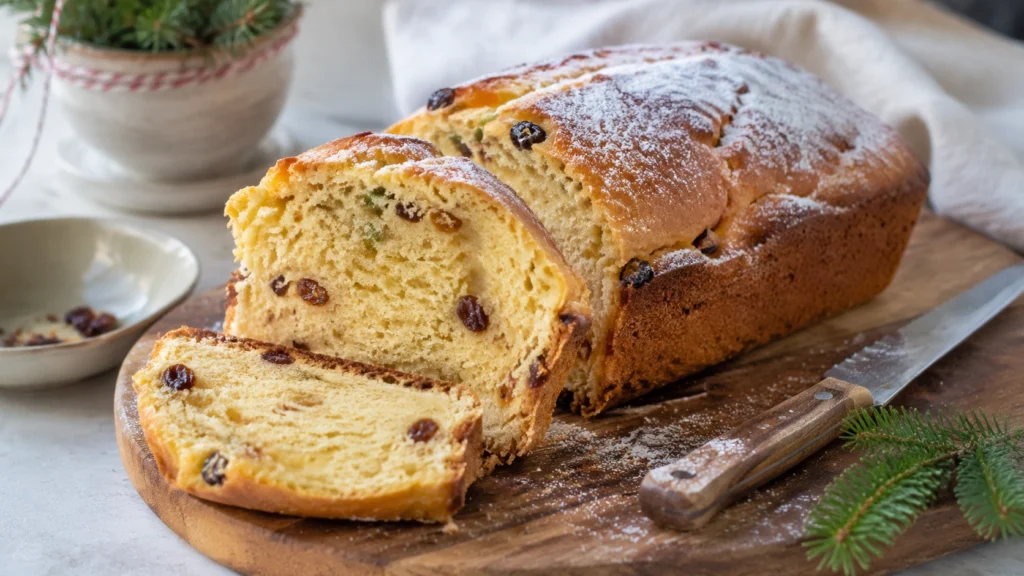
Julekake is a traditional Norwegian Christmas bread made with enriched yeast dough.
It’s flavored with cardamom and filled with candied fruits, raisins, and citrus peel.
In Norway, it’s often enjoyed during Christmas breakfasts and holiday gatherings.
The texture sits between a soft sandwich loaf and a lightly sweet cake-style bread.
Historically, it evolved from older rye-based festive breads into a richer white flour version.
Today, it reflects Scandinavian holiday baking traditions and cozy winter food culture.
If you enjoy recipes like Scandinavian sweet bread, this one fits perfectly into that category.
Why You’ll Love This Recipe
This bread is soft, aromatic, and deeply comforting without being overly sweet.
The cardamom gives it a warm floral spice that pairs beautifully with butter.
Candied fruit melts slightly during baking, creating pockets of sweetness.
I still remember the first time I pulled it from the oven.
The crust smelled buttery and slightly toasted, almost like vanilla and spice combined.
But I also learned something important: if you under-proof the dough, it stays heavy and tight.
Letting it rise properly completely changes the texture.
If you enjoy festive baking, you might also like holiday brunch bread ideas.
Recipe Overview
| Detail | Information |
| Prep Time | 45 minutes |
| Rise Time | 3–4 hours |
| Bake Time | 30–40 minutes |
| Total Time | ~6 hours |
| Yield | 2 loaves |
| Difficulty | Medium |
Ingredients & Their Role
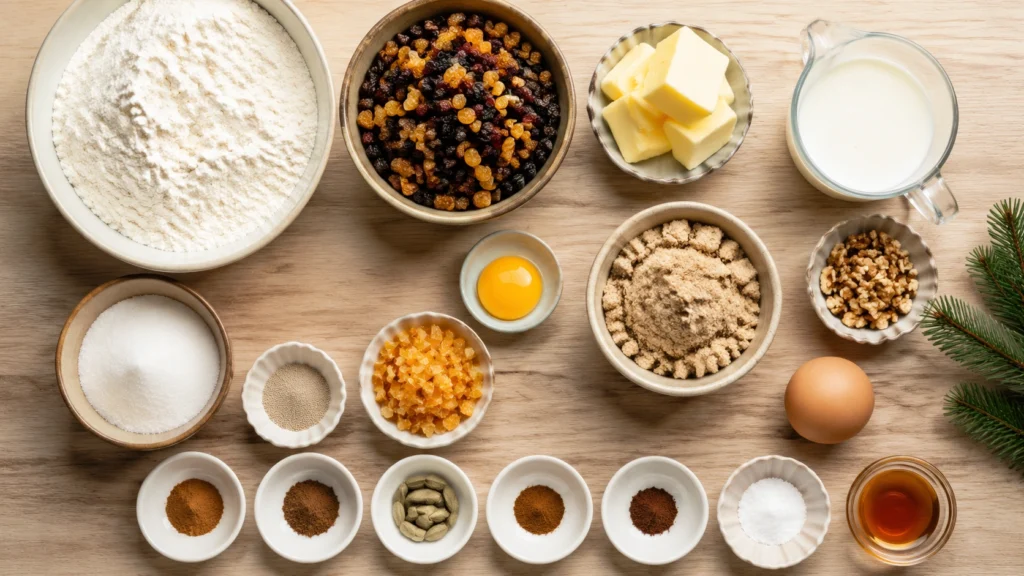
The heart of Julekake is its enriched dough.
Flour provides structure, while milk, butter, and eggs create softness.
Cardamom is essential for authentic Scandinavian flavor.
Candied orange peel adds brightness, while raisins bring natural sweetness.
Some bakers also include currants for deeper fruit notes.
Instant yeast helps the dough rise steadily despite its richness.
A practical tip I learned: slightly warm milk (not hot) helps activate yeast evenly.
Anything above 130°F can slow or kill fermentation.
If you’re exploring ingredient swaps, check baking ingredient basics.
How to Make Julekake Step-by-Step
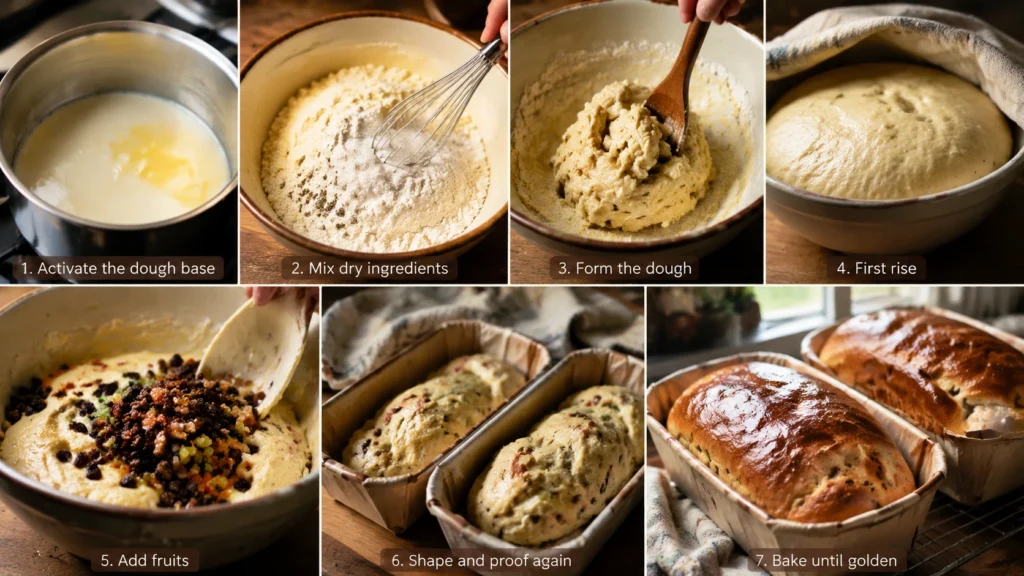
Activate the dough base
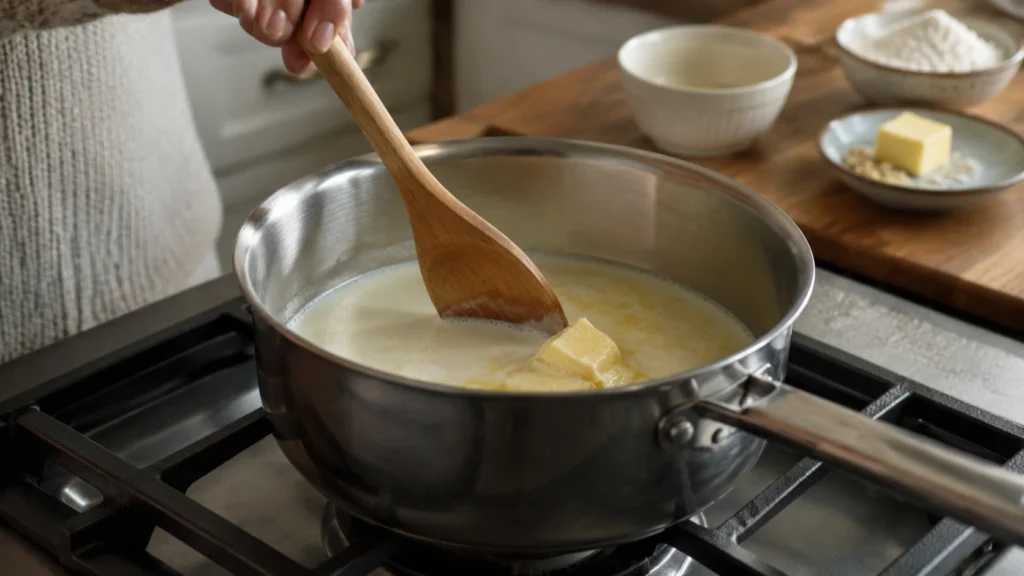
Warm milk and butter gently until just lukewarm.
This helps bloom the yeast without damaging it.
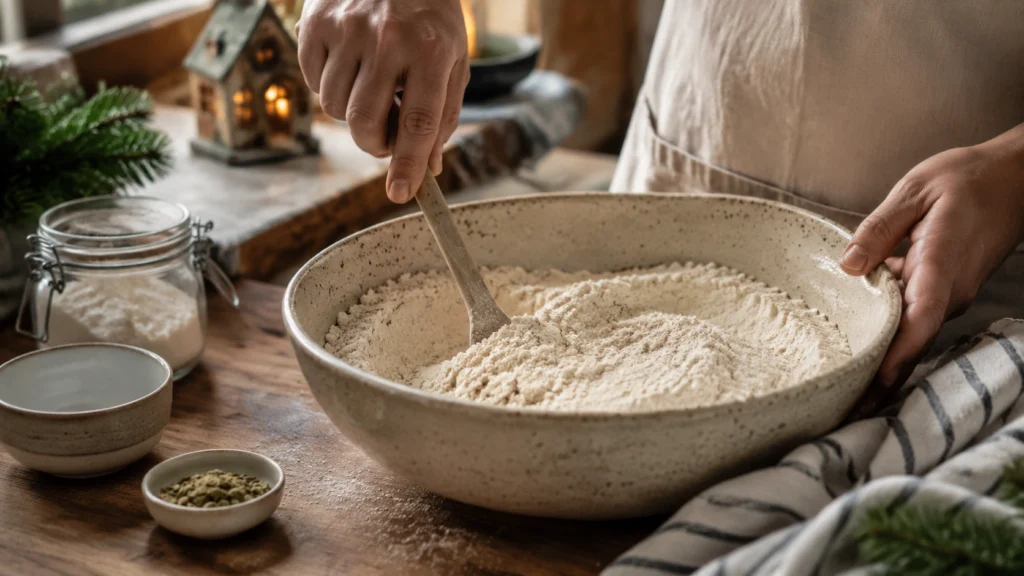
Mix dry ingredients
Combine flour, sugar, salt, and cardamom.
The aroma already smells like Christmas at this stage.
Form the dough
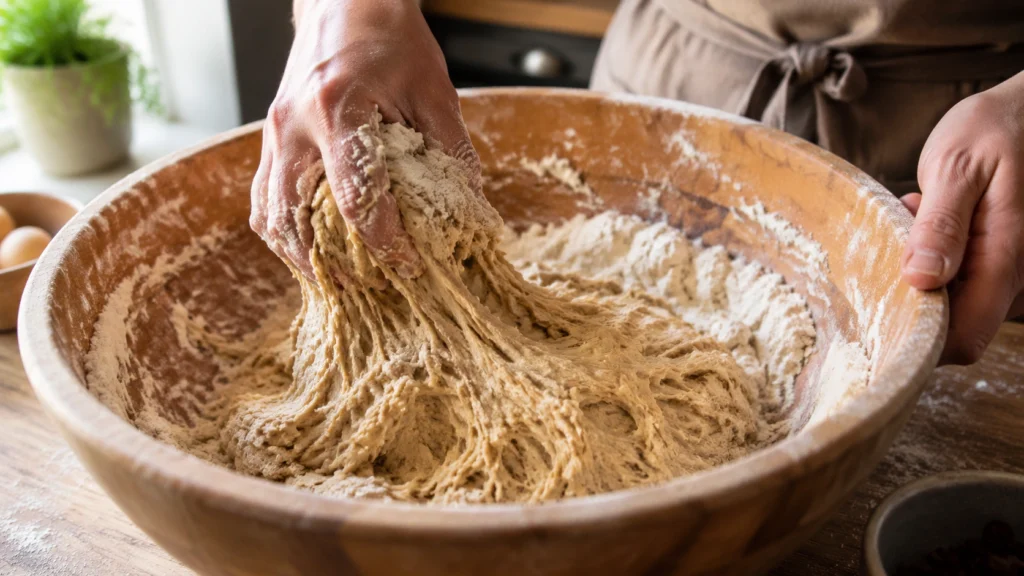
Add wet mixture and eggs, then mix until sticky dough forms.
It should feel soft but slightly elastic.
First rise
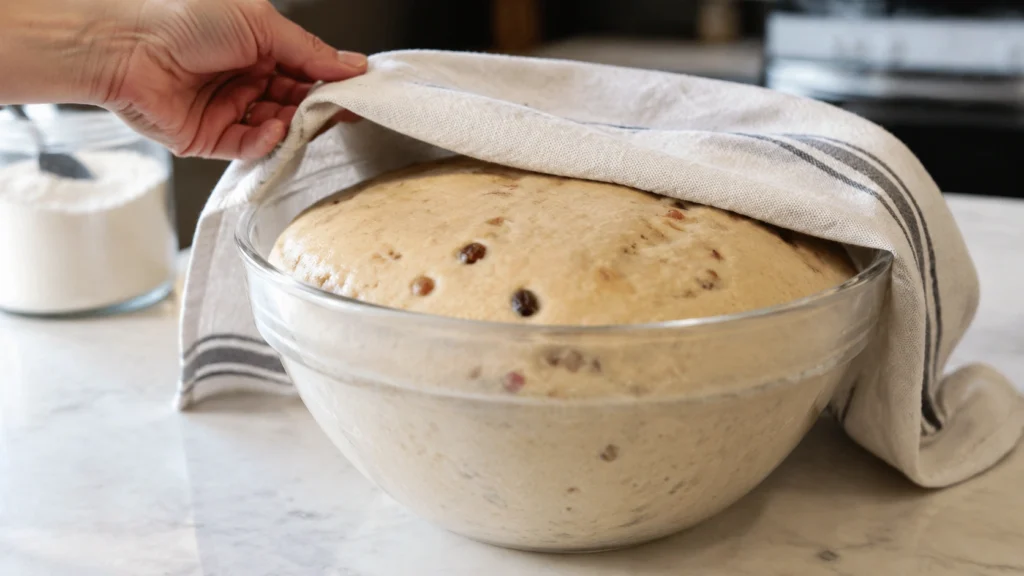
Cover and let it rise until doubled.
The dough should feel airy and smell slightly sweet.
Add fruits
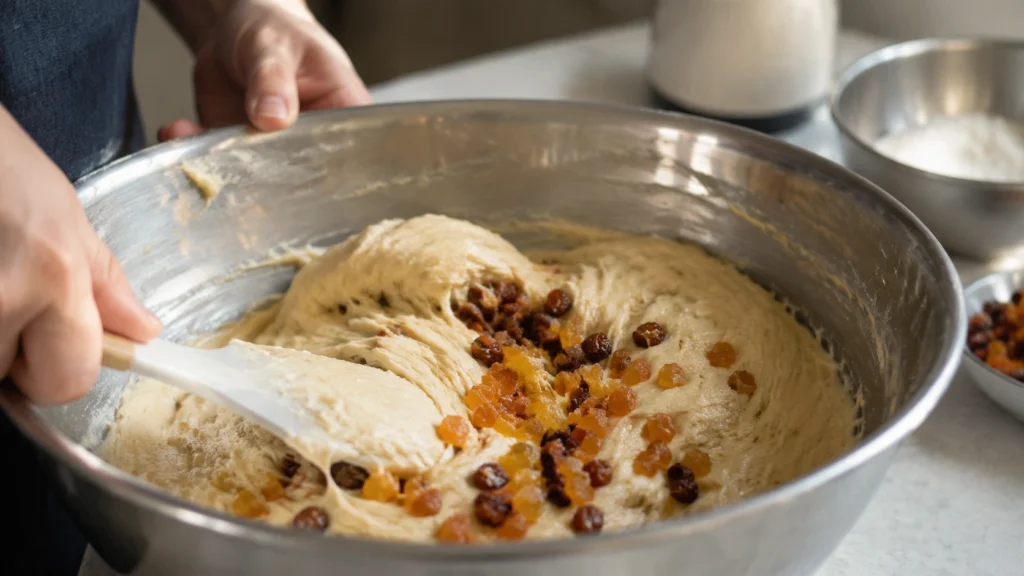
Fold in raisins and candied peel evenly.
I once added them too early and the dough tore slightly.
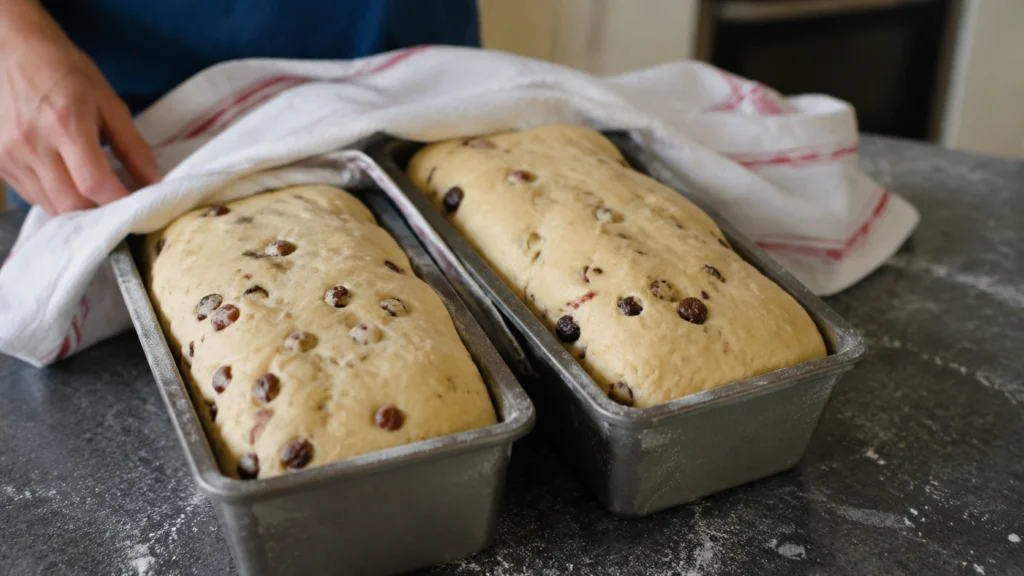
Shape and proof again
Divide into loaves and let rise until puffy and soft.
Bake until golden
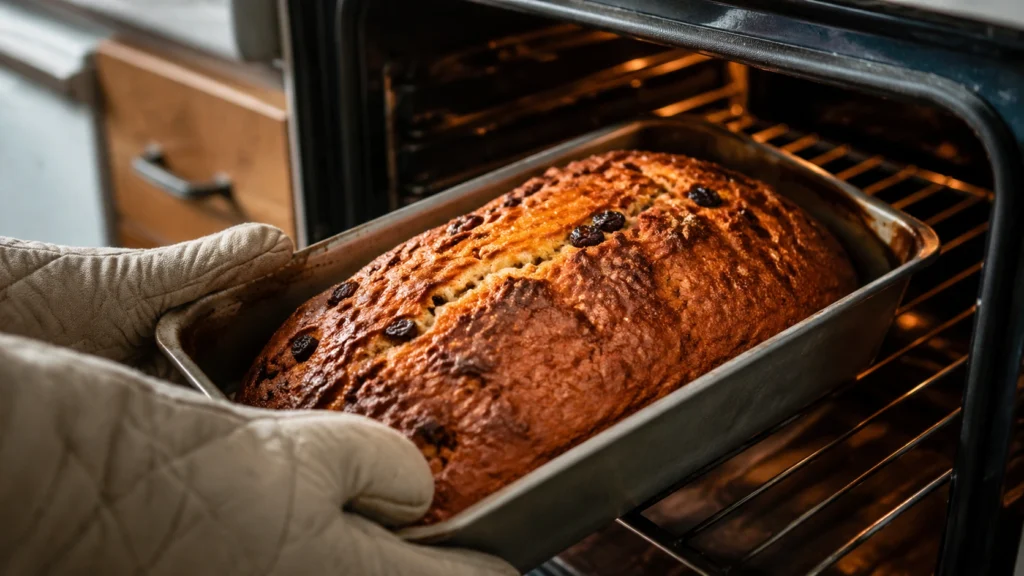
Bake until the crust turns deep golden and smells buttery.
The edges should feel slightly firm but not hard.
Ingredient Cost Estimate
| Ingredient | Estimated Cost |
| Flour, yeast, sugar | $3.00 |
| Butter & milk | $3.50 |
| Eggs | $1.00 |
| Candied fruit & raisins | $4.00 |
| Spices | $1.50 |
| Total | $13–$15 per loaf |
Common Mistakes & Fixes
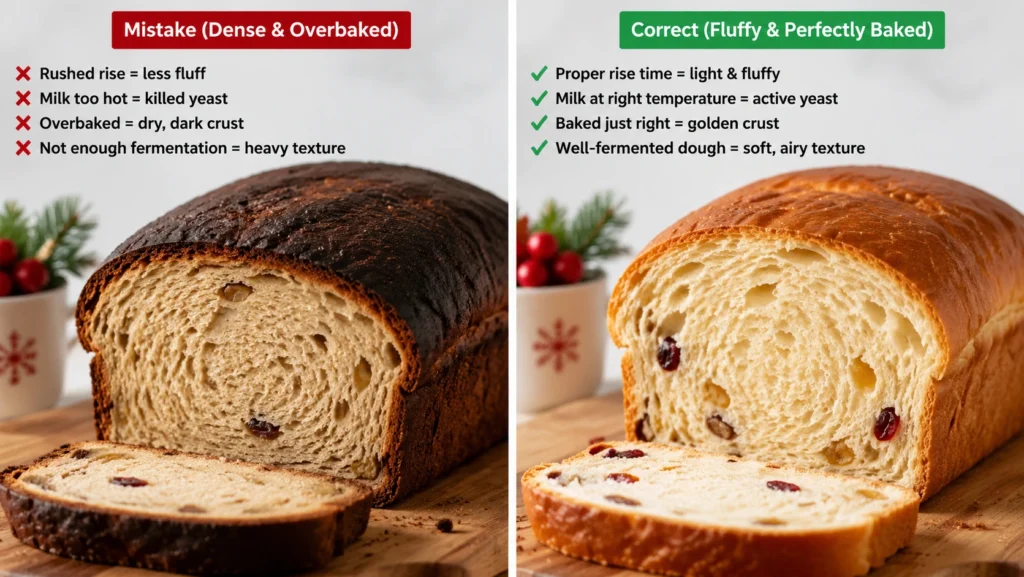
One of the biggest mistakes is rushing the rise time.
Enriched doughs rise slower because butter and sugar inhibit yeast.
Another issue is using milk that is too hot.
This kills yeast and results in dense bread.
I also once overbaked a loaf.
The crust turned too dark and lost its soft texture inside.
Now I rely on both color and smell as doneness indicators.
If your bread feels heavy, the dough likely needed more fermentation time.
Letting it rest longer fixes most texture issues.
Pro Tips from My Kitchen
Use freshly ground cardamom for stronger aroma and flavor.
Pre-ground versions lose intensity quickly.
Let fruit soak briefly in warm water for a softer bite.
This prevents dryness inside the loaf.
Always test dough elasticity using the windowpane test.
It tells you if gluten has developed properly.
For more baking techniques, visit yeast dough guides.
Variations & Easy Swaps
You can swap candied orange peel with dried cranberries or lemon zest.
For a deeper flavor, add a pinch of cinnamon alongside cardamom.
Dairy-free versions work with oat milk and plant-based butter.
The texture becomes slightly lighter but still pleasant.
For a richer holiday version, drizzle a sugar glaze on top.
It adds shine and extra sweetness.
Check out Bojangles Biscuit Recipe for more delicious recipes that bring warm, homemade comfort to your kitchen.
Storage & Keeping Fresh
| Method | Duration | Notes |
| Room Temperature | 3–4 days | Store in airtight container |
| Freezer | Up to 2 months | Slice before freezing |
| Reheating | 10 min at 300°F | Restores softness |
Keep the bread wrapped tightly to prevent drying.
Avoid refrigeration as it speeds up staling.
FAQ
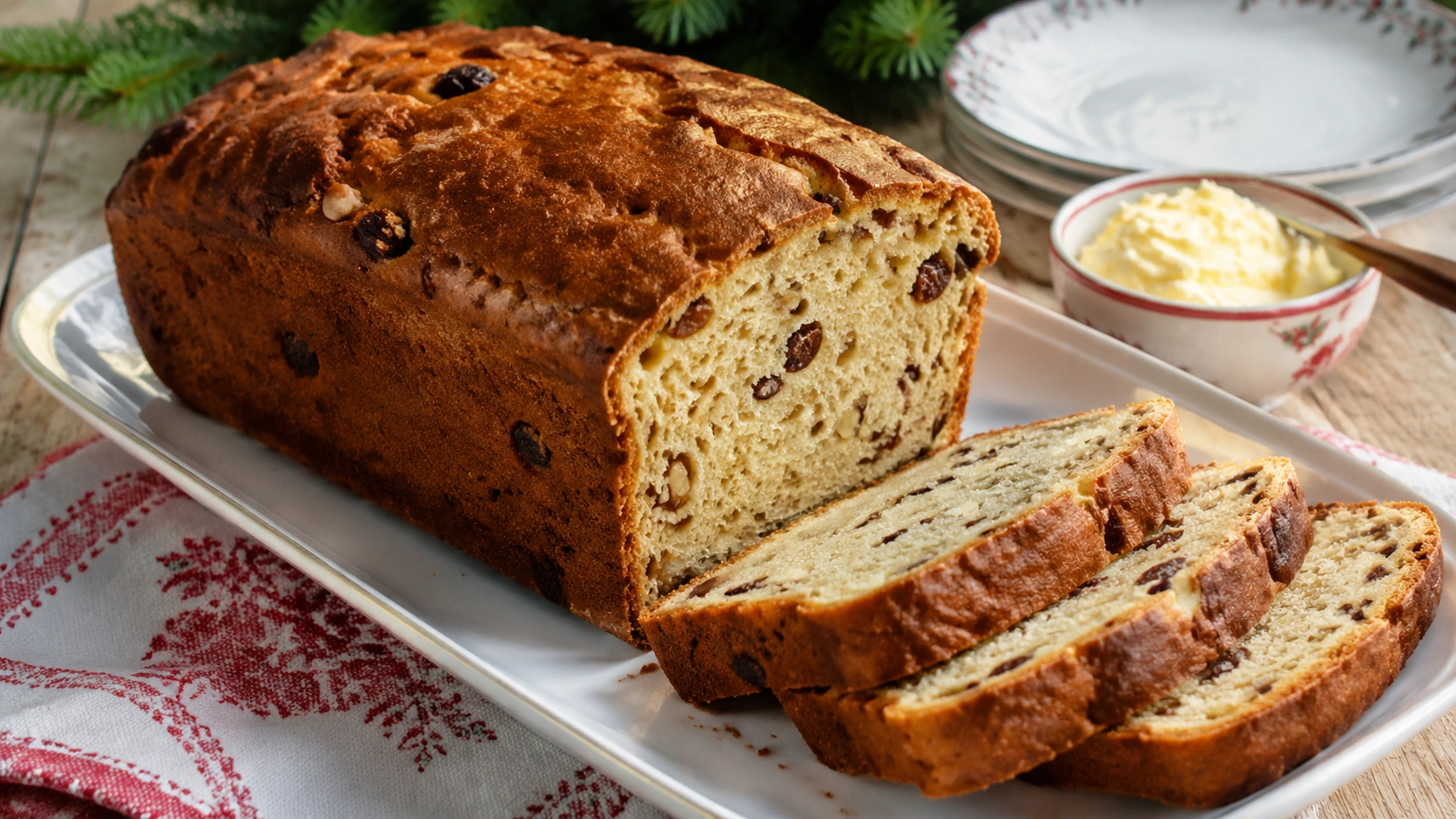

Julekake Recipe (Norwegian Christmas Bread)
Ingredients
Equipment
Method
- Warm milk until lukewarm and mix with yeast and a pinch of sugar. Let it foam for 5–10 minutes until bubbly and active.
- In a large bowl, combine sugar, melted butter, eggs, salt, and cardamom. The mixture should look smooth and fragrant.
- Add yeast mixture and gradually mix in flour until a sticky dough forms. It should pull away slightly from the bowl edges.
- Knead dough for 6–8 minutes until smooth and elastic. The dough should stretch without tearing easily.
- Fold in raisins, candied peel, and currants evenly. The dough will feel slightly heavier but still soft.
- Cover and let rise in a warm place until doubled in size, about 2 hours. It should look airy and puffy.
- Punch down dough gently and divide into two loaf pans. Shape evenly and smooth the tops.
- Let rise again for 45–60 minutes until slightly above pan height. The dough should feel light to touch.
- Bake at 350°F (175°C) for 25–30 minutes until golden brown and fragrant. The crust should sound hollow when tapped.
- Cool completely on a wire rack before slicing. The crumb should be soft, fluffy, and slightly sweet.
Notes
- Use freshly ground cardamom for the most authentic Scandinavian flavor.
- Do not rush the rise time; enriched dough needs patience for best texture.
- Store tightly wrapped to keep the bread soft for several days.
How to Serve Julekake Recipe
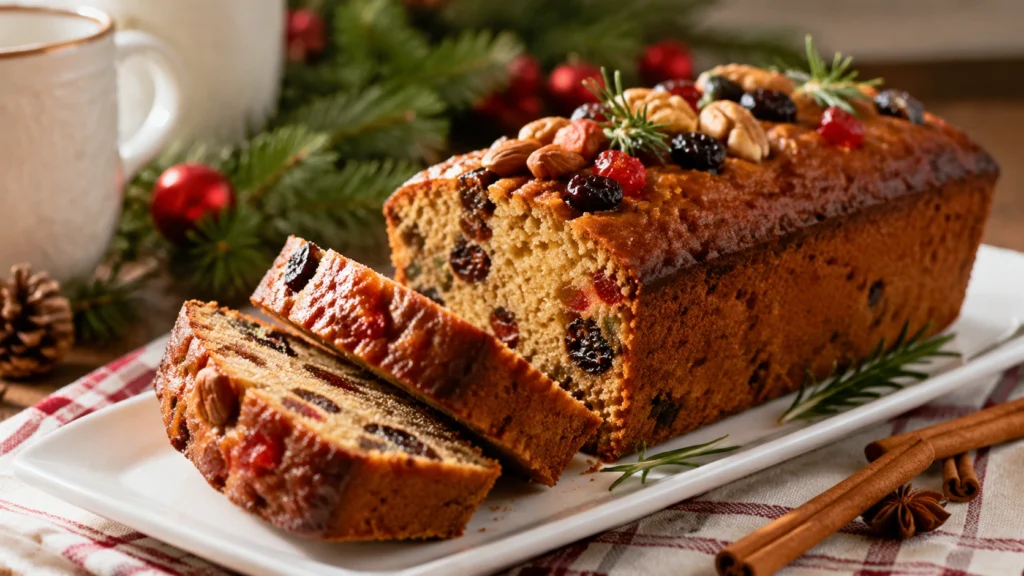
Julekake is more than just a holiday bread. It’s a slow, comforting bake that rewards patience.
When done right, the crust smells buttery and the crumb stays soft for days. Every time I bake it, the kitchen feels like a small winter bakery. It’s a recipe worth slowing down for, especially during the holidays.
Explore more breakfast recipes to enjoy alongside this cozy Julekake for a perfect morning spread.