Sicilian Pizza Dough Recipe: 5-Step Easy Homemade Crust

There’s something truly comforting about the smell of freshly baked Sicilian pizza dough recipe wafting through the kitchen. It’s thick yet airy, soft yet crisp, and carries just the right balance of golden crust, rich tomato sauce, and melty cheese. Every time I make this pizza at home, it instantly becomes the centerpiece of the evening, whether I’m serving it for a casual weeknight dinner or a lively pizza night with friends.
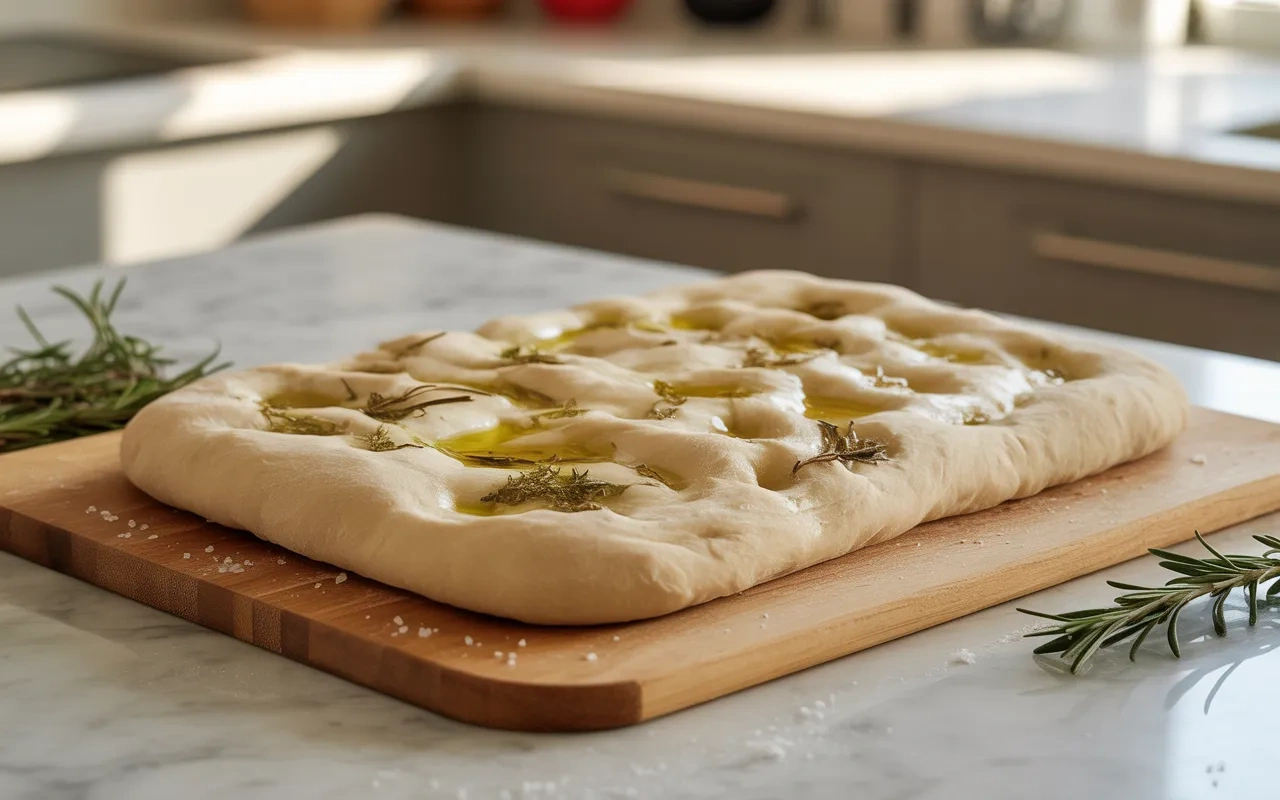
The beauty of Sicilian pizza dough recipe lies in its dough deceptively simple, but with a hydration level and fermentation process that transforms it into a light, focaccia like base with a crispy bottom. Unlike thin crust pizzas, Sicilian dough demands patience and attention to detail, but the payoff is immense. The first bite of the crunch giving way to a soft, airy interior is worth every extra minute of prep.
Whether you’re a home cook looking to recreate the classic New York style square slices or someone curious about authentic Italian sfincione, this Sicilian pizza dough recipe will guide you step by step. You’ll learn the hydration secrets, the pan science, and the exact rise times that create the ultimate crust, while avoiding the common pitfalls that leave your pizza dense or soggy.
Enjoyed this sicilian pizza dough recipe? Visit Cookiva Recipe to explore more delicious recipes and baking ideas.
What Is Sicilian Pizza Dough Recipe and Why It’s So Popular
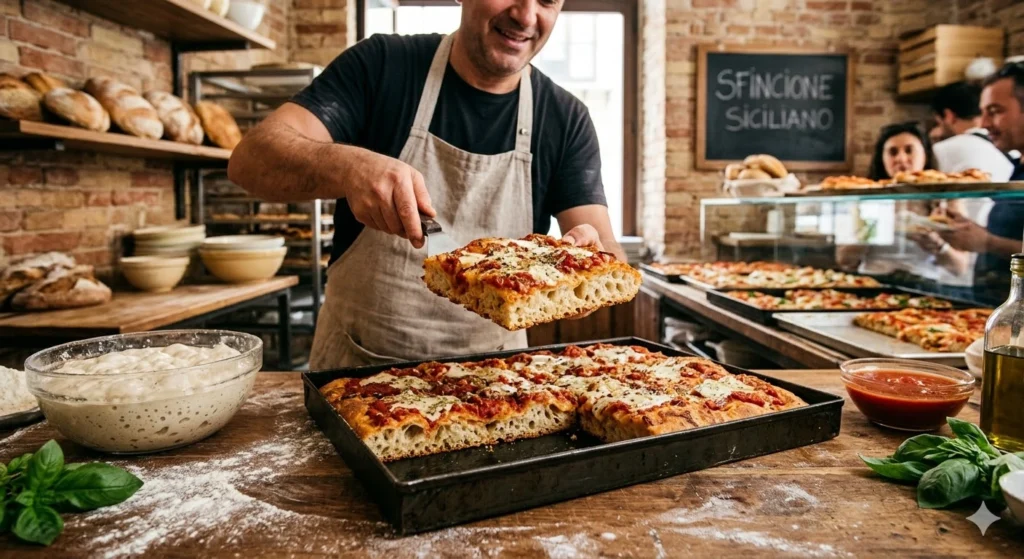
Sicilian pizza dough recipe is more than just a thick slice of cheese and tomato. In Sicily, the original sfincione is a traditional street and home pizza with a soft, airy dough topped lightly with onions, anchovies, breadcrumbs, and pecorino or tuna cheese. Mozzarella, as we know it in America, wasn’t part of the original. When Sicilian immigrants brought their recipes to the U.S., the pizza evolved into the square, cheesy, tomato heavy version most people recognize today the
American Sicilian style pizza. This version uses a focaccia like dough, often with a generous layer of mozzarella, a rich tomato sauce on top, and optional toppings like onions, peppers, or anchovies. People love it because it’s versatile, indulgent, and comforting. The thick, airy crust can handle heavier toppings without collapsing, the edges crisp beautifully in a well oiled pan, and leftovers reheat beautifully making it ideal for families and gatherings alike
Transform your weeknight dinner with this Hibachi on Blackstone Recipe for sizzling vegetables and tender meats that cook perfectly right on your griddle.
Authentic Sfincione vs. American Sicilian: A Quick Comparison
| Feature | Authentic Sfincione (Sicily) | American Sicilian Style |
| Origin | Palermo, Sicily | U.S. cities with Sicilian immigrants |
| Cheese Used | Pecorino, Tuma | Mozzarella, sometimes Parmesan |
| Sauce Position | Minimal, often after cheese | Generous, on top of cheese |
| Signature Toppings | Anchovies, onions, breadcrumbs | Pepperoni, sausage, vegetables |
| Hydration | 65–70% | 65–70% (similar) |
| Texture Goal | Soft, focaccia like | Crispy bottom, airy interior |
Recipe Overview: What You’re About to Make
When you bite into this Sicilian pizza, expect a golden, crispy bottom and a soft, airy interior that melts in your mouth. The dough’s high hydration gives it a focaccia like lift, while the olive oil and pan work together to achieve that signature crisp. The tomato sauce and cheese create a
comforting, savory topping that’s perfect for weeknights or special occasions. This pizza works best when shared with friends and family, or even just devoured at home for a cozy, indulgent meal. Once you master this dough, you’ll understand why it’s a beloved classic in American pizzerias.
Spice up dinner tonight with this Dave’s Hot Chicken Recipe for crispy, fiery chicken that’s perfectly seasoned and irresistibly juicy.
| Metric | Details |
| Prep Time | 30 minutes (plus rise) |
| Cook Time | 25–32 minutes |
| Total Time | 2–24 hours (depending on fermentation) |
| Servings | 12–16 slices |
| Difficulty | Medium |
| Cuisine | American Sicilian |
Ingredients and Why Each One Matters
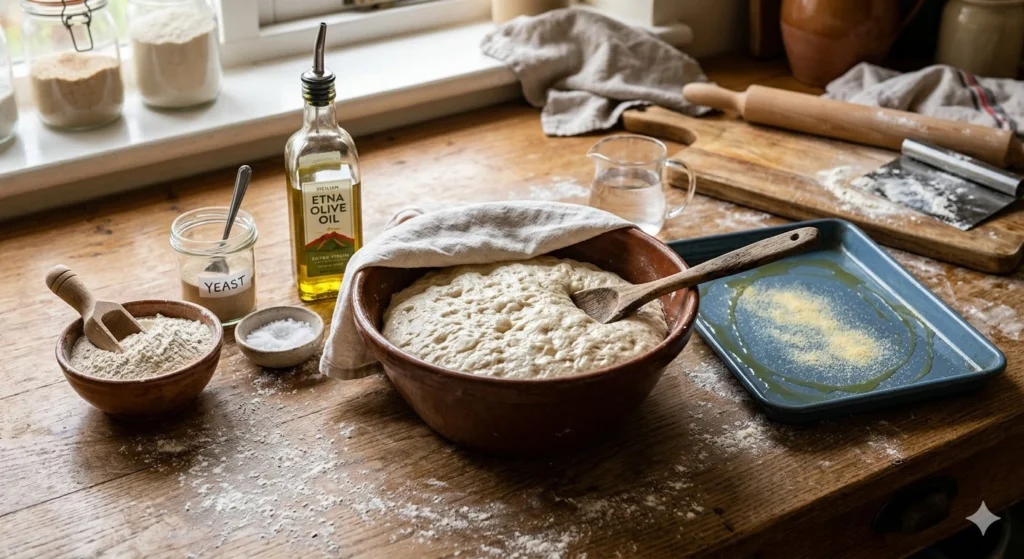
Every ingredient plays a specific role in achieving the perfect Sicilian crust. Here’s why these staples matter and what you can substitute if needed:
- Bread Flour (4 1/2 cups / 540g) Provides strong gluten structure for a chewy, airy crust. For a more authentic Italian flavor, blend 80% bread flour with 20% semolina.
- Instant Yeast (2 tsp / 8g) Leave the dough quickly. Active dry yeast can be substituted; just proof it in lukewarm water first.
- Table Salt (2 tsp / 12g) Balances flavor and strengthens gluten.
- Lukewarm Water (1 3/4 cups / 397g) Hydration is key; high hydration (~65–70%) creates the light, airy interior unique to Sicilian pizza.
- Olive Oil (1 tbsp / 14g) Adds flavor and prevents sticking; too much can create a greasy bottom.
- Tomato Sauce (1 cup / 227g) Provides moisture and tang; thicker sauces prevent sogginess.
- Grated Mozzarella (3 cups / 340g) Melts beautifully for a creamy layer. Low moisture mozzarella works best.
- Sweet Yellow Onion (1 1/2 cups / 227g, thinly sliced) Adds natural sweetness and texture.
- Anchovies (3 fillets) Optional, but traditional for flavor depth.
- Italian Herbs / King Arthur Pizza Seasoning For aroma and flavor enhancement.
Substitutions: Whole wheat flour up to 25% is safe, olive oil can be swapped with vegetable oil, and sugar can be added to aid browning. Sourdough starter works for a more complex flavor but requires adjustments to hydration.
Hydration 101 for Sicilian Dough
Hydration refers to the percentage of water relative to flour in your dough. Sicilian pizza dough typically ranges 65–70% hydration, higher than thin crust pizzas.
This:
- Softens gluten strands
- Creates larger air pockets
- Ensures a light, focaccia like interior
Too low: dense, bread like crust
Too high: sticky dough, trickier to handle, but even airier results
Stickiness is normal: resist adding extra flour, or you’ll sacrifice the airy crumb.
How to Make Sicilian Pizza Dough Recipe the Right Way
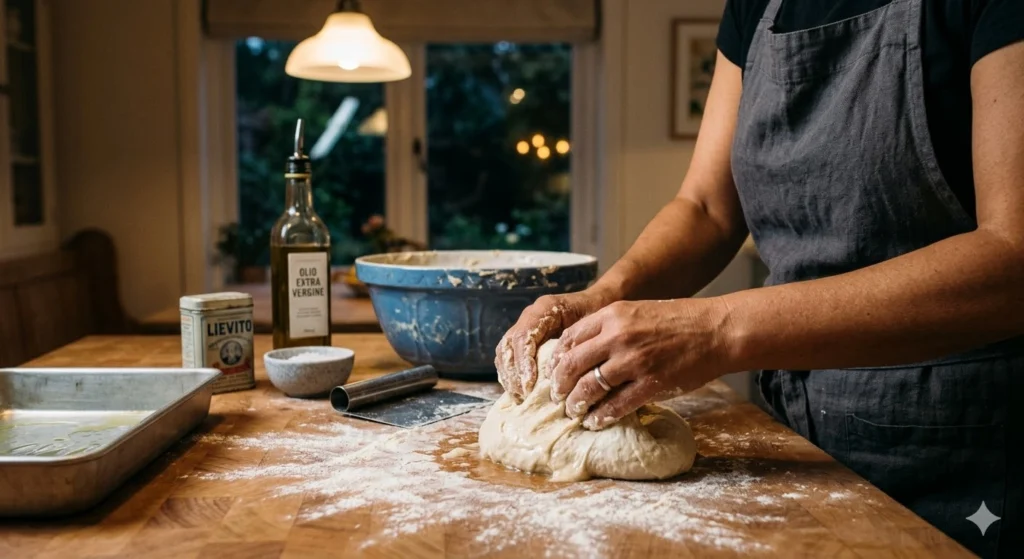
The approach combines a gentle, high hydration dough, proper fermentation, and pan science to achieve a crisp yet soft result.
Step by Step Instructions
- Mix Ingredients: In a large bowl, whisk together flour, salt, and yeast. Gradually add lukewarm water while stirring. Incorporate olive oil and knead until smooth and elastic, about 8–10 minutes.
- First Rise: Cover dough with a towel and let rise 1–2 hours at room temperature until doubled. For a more complex flavor, refrigerate up to 24–48 hours.
- Prepare Pan: Generously oil a half sheet pan (18×13”). Spread dough evenly using your fingers, allowing it to relax for 10–15 minutes if it resists stretching.
- Pre Bake (Optional but Recommended): Parbake for 7–10 minutes at 400°F to avoid a soggy bottom.
- Add Toppings: Spread tomato sauce over dough. Optionally sprinkle breadcrumbs before cheese to absorb excess moisture. Layer mozzarella, onions, anchovies, and herbs.
- Bake: Place pan on middle oven rack, bake 25–32 minutes at 425–450°F until golden brown and bubbling.
- Finish and Serve: Drizzle with Italian herb infused oil, cut into squares, and enjoy immediately.
Pro Tip for the Ultimate Crust
Use the right pan and oil amount. A heavy, dark metal pan absorbs heat better than aluminum or non stick, producing a crisp bottom. Pool oil about 3mm thick in the pan enough to conduct heat and prevent sticking without making the crust greasy.
Common Mistakes and How to Fix Them
- Dough won’t stretch → Let it rest 10–15 minutes; gluten needs relaxing.
- Soggy bottom → Parbake crust or place pan on lowest oven rack.
- Dense interior → Check hydration; avoid over flouring.
- Edges done, center raw → Tent with foil and extend bake.
- Greasy crust → Use correct oil amount; excess saturates dough.
Key Tips: Rest dough, measure water accurately, and use a pan that conducts heat well.
Variations and Substitutions
This dough is flexible. Consider:
- Vegetarian: Swap anchovies for sautéed mushrooms or peppers.
- Cheese Mix: Try Quattro Formaggi blend or add Pecorino Romano.
- Sourdough Version: Replace commercial yeast with 100g active starter; reduce water by ~20g.
- Whole Wheat Addition: Up to 25% flour substitution for nuttier flavor.
Making It Ahead: Fer mentation Options
| Method | Flavor Depth | Crumb Texture | Ease of Handling | Recommended For |
| Same Day (2–4 hrs RT) | Light | Soft, airy | Easy | Quick dinners |
| Overnight Cold (12–24 hrs) | Medium | Airy, tender | Medium | Better flavor, moderate prep |
| Weekend (48–72 hrs cold) | Deep | Airy, slightly chewy | Requires care | Best batch for flavor and texture |
Tip: For first attempts, same day works. For a pizza that tastes like a pizzeria slice, plan ahead for a 24 hour cold ferment.
Flour Guide for Sicilian Dough
| Flour Type | Protein % | Effect | Recommended For | Notes |
| All Purpose | 10–12% | Softer crumb | Beginner | May need less water |
| Bread Flour | 13–14% | Chewy, airy | Most home bakers | Ideal for high humidity |
| 00 Flour | 12–13% | Soft, elastic | Authentic Italian | Best for thin crust, still workable |
| Semolina | 12–13% | Nutty flavor, golden color | Partial blend | Adds texture |
| Bread + Semolina (80/20) | 13–14% | Chewy, golden | Maximum authenticity | My preferred blend |
Storage, Freezing, and Reheating Best Practices
Sicilian pizza is perfect for batch cooking:
- Raw dough (fridge): Up to 5 days
- Raw dough (freezer): Up to 3 months, thaw overnight
- Parbaked crust (freezer): Up to 2 months, top and bake from frozen 12–15 min
- Fully baked pizza (freezer): Up to 2 months, reheat 10–12 min at 425°F
Pro Move: Parbake and freeze for fast weeknight pizza with minimal prep.
My Experience Making Sicilian Pizza Dough Recipe at Home
The first time I tried this dough, I under measured water, and the crust turned dense and chewy. After adjusting to the proper 65–70% hydration and letting the dough rest properly in a well oiled pan, the difference was night and day airy, golden, and perfectly crisp on the bottom. My small trick? Sprinkle a tablespoon of coarse breadcrumbs over the sauce to absorb moisture from vegetables. It makes the difference between soggy and perfect crust every time.
Discover more hearty main dishes like this sicilian pizza dough recipe for satisfying homemade meals everyone will love.
Benefits of Making Sicilian Pizza Dough Recipe at Home
Homemade Sicilian pizza offers more than just flavor:
- You control ingredients and portion sizes
- Freshly baked crust is crisp yet airy, impossible to replicate from frozen
- Cost effective: a $1 dough yields pizza that would cost $48+ at a pizzeria
- Perfect for entertaining or meal prep
Real Questions People Ask About Sicilian Pizza Dough Recipe
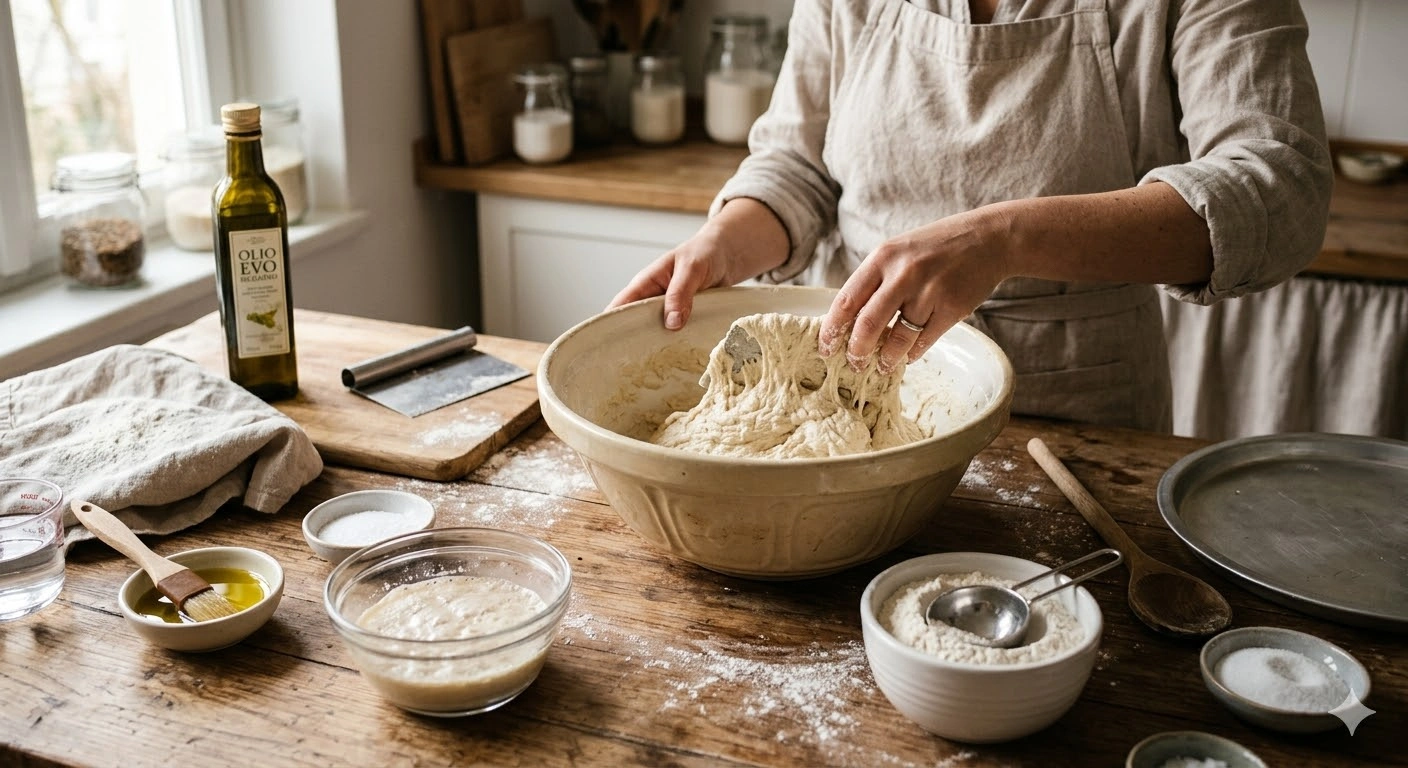

Sicilian Pizza Dough Recipe
Ingredients
Equipment
Method
- In a large mixing bowl, combine flour, yeast, salt, and pizza dough flavor. Mix until evenly distributed.
- Gradually add lukewarm water while stirring with a spatula until a sticky dough forms.
- Add olive oil and knead by hand or with a dough hook for 8–10 minutes until smooth and elastic.
- Cover the dough with a towel or plastic wrap and let rise in a warm area for 1 hour, until doubled in size.
- Grease the sheet pan with 1–2 tablespoons of olive oil. Transfer the dough and gently stretch to fill the pan, letting edges rest if resistant.
- Preheat the oven to 475°F (245°C) while the dough rests for an additional 10–15 minutes.
- Add toppings of your choice, optionally placing cheese first to protect the dough from sauce moisture.
- Bake on the middle rack for 25–32 minutes, until the crust is golden brown and edges are crisp.
- Remove from oven and let rest 5 minutes before cutting into squares.
Notes
- For a lighter, airier crust, use a 24-hour cold fermentation in the fridge before stretching.
- Avoid adding extra flour when handling sticky dough; olive oil on hands or pan works better.
- Parbaking the crust for 7–10 minutes can prevent soggy bottoms if using very moist toppings.
Conclusion About Sicilian Pizza Dough Recipe
Making your own Sicilian pizza dough recipe at home is truly rewarding. From the moment you mix the sticky, high hydration dough to the golden, crispy bottomed pizza straight out of the oven, every step brings a sense of satisfaction that store bought crusts simply can’t match. The focaccia like texture, airy crumb, and rich flavor of the toppings make it perfect for family dinners, pizza nights with friends, or even a casual weekend treat.
Slow cooked to melt in your mouth perfection, this braised short ribs recipe delivers rich, savory flavor with a tender, fall-off-the-bone texture your family will love.