Sticky Chicken Recipe: Easy 30-Minute Sweet & Savory

There’s something deeply satisfying about a good sticky chicken recipe. The kind where the sauce clings to every bite, turning glossy and caramelized as it cooks. You smell the sweet honey and soy sauce bubbling in the pan, and suddenly the kitchen smells like your favorite takeout spot except better, because you made it yourself. This dish has become a weeknight favorite in my kitchen because it delivers big flavor with simple pantry ingredients. Sticky chicken sits right
at the intersection of comfort food and quick dinner: juicy chicken, a sweet savory glaze, and just enough garlic and chili heat to keep things interesting. Whether you serve it with rice, vegetables, or a plate of Southern sides, it’s the kind of meal people immediately ask you to make again. And the best part? Making this sticky chicken recipe at home is dramatically cheaper than ordering takeout and you have complete control over the flavor, sodium, and sweetness.
Looking for more easy and flavorful meals? Explore more delicious recipes on Cookiva Recipe and find your next favorite dish.
Homemade vs Takeout Cost Breakdown
| Meal Option | Estimated Cost Per Serving |
| Homemade Sticky Chicken | ~$1.37–$2.10 |
| Takeout Sticky Chicken | ~$14–$18 |
What Is Sticky Chicken Recipe and Why It’s Popular
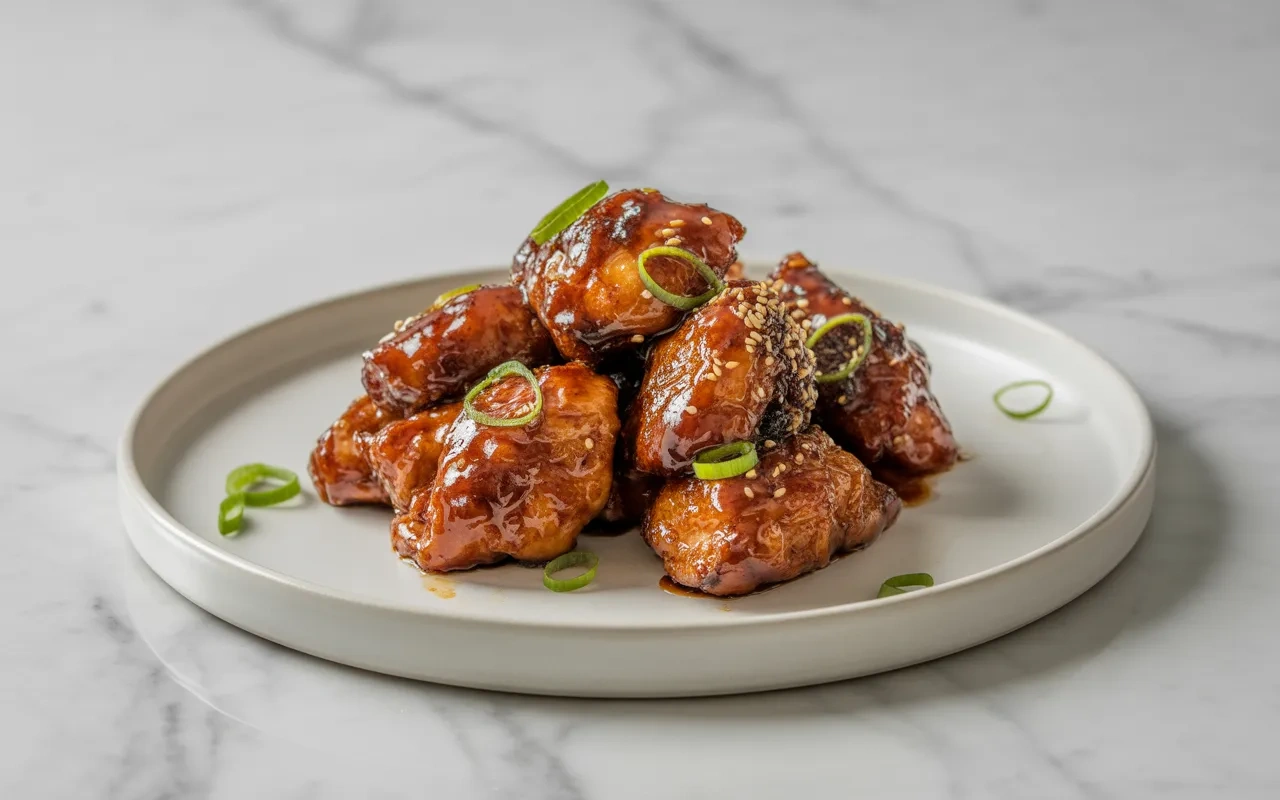
Sticky chicken is a dish built around one key element: a thick, glossy glaze that coats the chicken and caramelizes as it cooks. Most versions combine sweet ingredients like honey or brown sugar with salty umami ingredients such as soy sauce, garlic, and chili paste. As the sauce cooks, it thickens and transforms into the shiny, slightly sticky coating the dish is known for.
The recipe appears in many culinary traditions. You’ll see Asian style sticky chicken with sesame seeds and soy sauce, Southern sticky chicken baked in a cast iron skillet, and modern versions designed as quick weeknight dinners. Despite these variations, the goal is always the same: tender chicken coated in a rich, sweet savory glaze.
People continue making sticky chicken because it balances flavor so well. The sweetness mellows the saltiness of the soy sauce, the garlic adds depth, and the caramelized glaze brings everything together in a dish that feels comforting but still exciting.
This braised short ribs recipe shows how slow cooking transforms tough beef into incredibly tender, rich, fall-apart meat packed with deep, savory flavor.
Recipe Overview: Flavor, Texture, and When to Make It
This sticky chicken recipe delivers a beautiful balance of flavors. The honey and brown sugar create sweetness, soy sauce brings umami depth, and garlic and chili sauce add just enough heat to keep things interesting. As the sauce cooks, it thickens into a glossy glaze that clings to the chicken pieces.
The texture is just as satisfying. The chicken stays juicy while the sauce caramelizes slightly, forming that signature sticky coating. Sesame seeds and green onions add a little crunch and freshness that balance the richness. It’s perfect for quick dinners, meal prep, or even casual entertaining.
| Detail | Value |
| Prep Time | 15 minutes |
| Cook Time | 15–30 minutes |
| Total Time | ~30 minutes |
| Servings | 4 |
| Difficulty | Easy |
| Cuisine | Asian inspired |
| Calories | ~425 kcal |
Choose Your Method: Oven vs Stovetop vs Air Fryer vs Instant Pot
Different kitchens and schedules call for different cooking methods. The great thing about sticky chicken is how adaptable it is.
| Method | Total Time | Best For | Texture Outcome | Difficulty |
| Oven Baked | ~60–90 min | Bone in chicken | Deep caramelized glaze | Easy |
| Stovetop Skillet | ~20 min | Quick weeknight meals | Glossy, saucy coating | Very easy |
| Air Fryer | ~18 min | Crisp exterior | Sticky with slight crunch | Easy |
| Instant Pot | ~25 min | Fast pressure cooking | Tender chicken, lighter glaze | Moderate |
Ingredients Sticky Chicken Recipe and Why Each One Matters
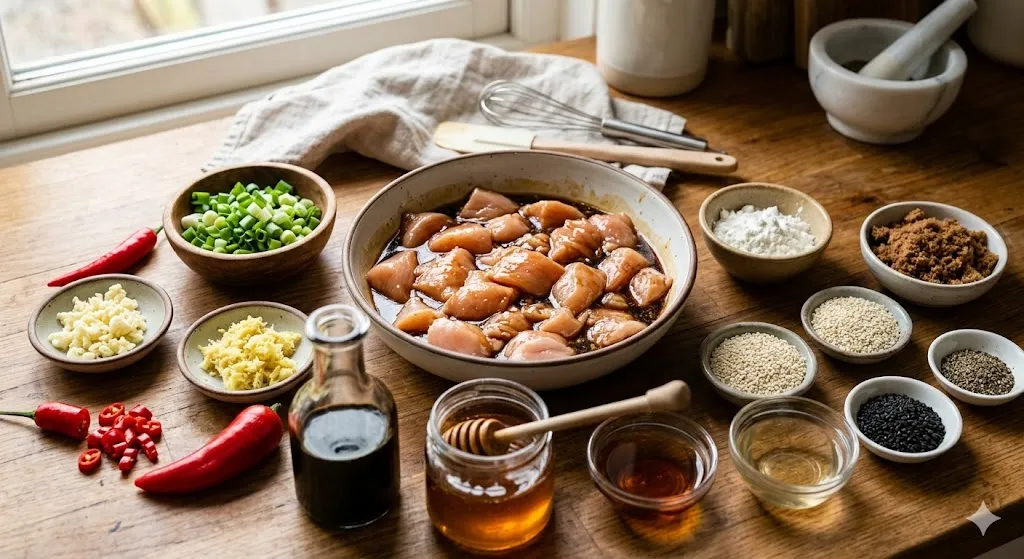
A good sticky chicken recipe relies on a handful of pantry ingredients working together. Each one contributes something important to the final flavor and texture.
- Chicken thighs or chicken breasts Boneless thighs stay juicy and are budget friendly, while chicken breasts cook quickly and stay lean.
- Soy sauce Adds salty, umami depth and helps balance the sweetness.
- Honey Helps the sauce caramelize and develop that signature sticky texture.
- Brown sugar Adds deeper sweetness and color.
- Garlic cloves Bring savory aroma and flavor.
- Chili garlic sauce or sweet chili sauce Adds mild heat and complexity.
- Cornstarch Thickens the sauce so it coats the chicken evenly.
- Olive oil or vegetable oil Helps the chicken brown in the skillet.
- Sesame seeds and green onions Fresh garnish that adds flavor and visual appeal.
The Sticky Science: Why the Sauce Actually Sticks
Sticky sauces work because of a combination of sugar caramelization and starch thickening. When sugars like honey or brown sugar heat past roughly 320°F, they begin caramelizing, which creates flavor and thickens the sauce. Meanwhile, starches like cornstarch create a gel structure that traps liquid and forms a glossy coating.
| Sticky Agent | Why It Works | What Happens if Skipped |
| Honey | Caramelizes quickly and creates natural stickiness | Sauce tastes thinner and less glossy |
| Brown Sugar | Deepens flavor and helps caramelization | Sauce stays lighter and less rich |
| Cornstarch | Forms a gel that thickens the sauce | Sauce may slide off the chicken |
Substitutions & Dietary Swaps
Many people want flexible recipes that work with dietary restrictions or pantry shortages.
| Original Ingredient | Substitute | Flavor Impact |
| Soy sauce | Tamari or coconut aminos | Slightly lighter saltiness |
| Honey | Maple syrup | Milder sweetness |
| Brown sugar | Granulated sugar | Slightly lighter flavor |
| Chili garlic sauce | Red pepper flakes | More direct heat |
| Cornstarch | Arrowroot powder | Similar thickening |
How to Make Sticky Chicken Recipe the Right Way
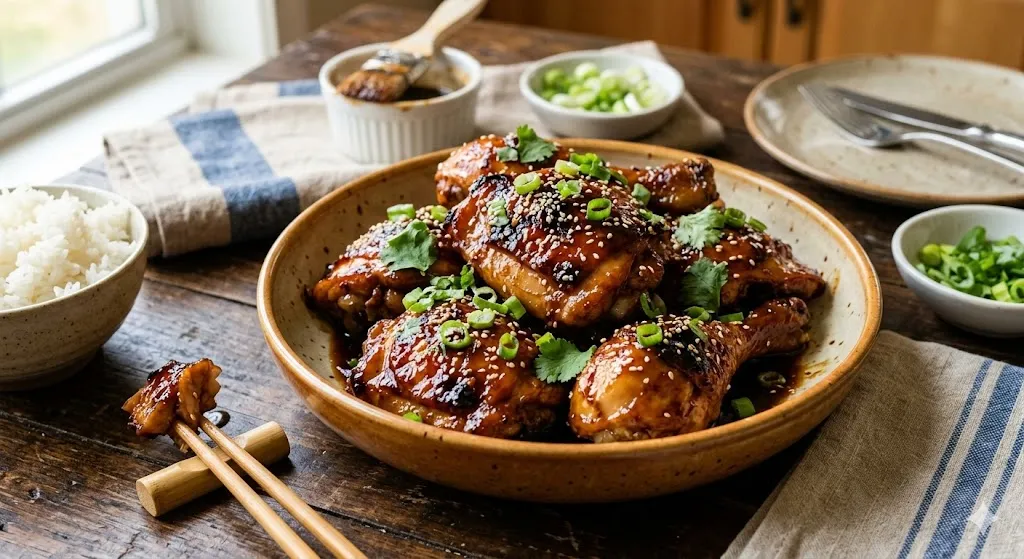
Making sticky chicken isn’t complicated, but technique matters. The goal is to brown the chicken first, then cook it in the sauce so it thickens and coats every piece.
If you’re craving bold spices without complicated steps, this easy biryani recipe delivers fluffy rice, tender meat, and authentic flavor in a surprisingly simple way.
Step by Step Instructions
- Prepare the chicken
Cut chicken breast halves or thighs into bite size chunks. - Coat the chicken
Dip pieces in egg, then dredge them in a mixture of flour and cornstarch. - Brown the chicken
Heat vegetable oil in a skillet over medium high heat and cook the chicken until golden. - Make the sauce
Whisk soy sauce, honey, brown sugar, garlic, chili sauce, and lime juice in the pan. - Simmer until thick
Cook the sauce for about 5 minutes until glossy and sticky. - Finish and garnish
Toss the chicken in the glaze and garnish with sesame seeds and green onions.
Cut by Cut Cooking Time Guide
| Cut | Bone | Oven Temp | Cook Time | Internal Temp |
| Chicken thighs | Boneless | 350°F | 20–25 min | 165°F |
| Chicken breasts | Boneless | 350°F | 18–22 min | 165°F |
| Drumsticks | Bone in | 350°F | 35–40 min | 165°F |
| Wings | Bone in | 375°F | 30–35 min | 165°F |
Pro Tip for Best Results
One trick that makes a huge difference is letting the sauce reduce slightly before adding the chicken back to the pan. When the sauce thickens on its own first, it develops deeper flavor and sticks to the chicken more effectively. If you add the chicken too early, the sauce often stays thin.
Common Mistakes and Why They Ruin the Recipe
Sticky chicken is forgiving, but a few mistakes can make the sauce disappointing.
- Cooking at too low heat prevents caramelization.
- Skipping the starch coating makes sauce slide off the chicken.
- Overcrowding the pan stops the chicken from browning.
- Adding sauce too early prevents it from thickening.
Best tip: Always let the sauce bubble for a few minutes before finishing the dish.
Sauce Troubleshooting Guide
Sometimes the glaze behaves differently than expected. Here are common fixes:
- Sauce too watery → simmer longer or add a cornstarch slurry
- Sauce too thick → add 1–2 tablespoons water or broth
- Glaze burning → lower heat and stir frequently
- Chicken not caramelizing → increase heat slightly
- Sauce sliding off chicken → ensure chicken is dry before cooking
Sauce too salty → add honey or brown sugar to balance
Variations, Substitutions, and When to Use Them
Sticky chicken adapts well to different tastes and cooking styles.
- Southern Sticky Chicken baked in a cast iron skillet with Worcestershire sauce.
- Better Than Takeout Sticky Chicken cooked quickly in a skillet with sesame seeds.
- Sticky Asian Glazed Chicken with hoisin sauce and ginger.
Crispy Sesame Chicken with a Sticky Asian Sauce fried first for extra crunch.
Marinade Timing: What Actually Changes
| Time | Result |
| No marinade | Good flavor but lighter glaze |
| 30 minutes | Slightly deeper flavor |
| 2 hours | Noticeably richer taste |
| Overnight | Most flavorful and tender |
For busy weeknights, even 30 minutes helps.
My Experience Making This Sticky Chicken Recipe at Home
The first time I made sticky chicken, I rushed the sauce step and ended up with a glaze that slid right off the chicken. It still tasted good, but it wasn’t that shiny, restaurant style coating I wanted. After a few attempts, I realized the trick was patience. Letting the sauce simmer for just a couple extra minutes made a huge difference. It thickened naturally, and once the chicken went back in, the glaze coated every piece perfectly. Now it’s one of those recipes I can make almost without thinking.
Benefits of Sticky Chicken Recipe
Sticky chicken is popular for good reason. It’s flavorful, adaptable, and surprisingly simple to make at home. It’s also easy to customize depending on what you have in the pantry or how much time you have to cook.
Common reasons people love it include:
- Quick weeknight dinner
- Family friendly flavor
- Budget friendly ingredients
- Works with many chicken cuts
Supporting Information or Background
Originating in Southern kitchens and inspired by Asian glazes, sticky chicken combines home cooked comfort with sweet savory flavor. Its popularity continues because it’s approachable for beginners yet impressive enough to serve for guests, showing that homemade dishes can rival restaurant quality.
What to Serve With Sticky Chicken Recipe
Instead of just rice, here are some balanced pairings.
Grains
- Boiled rice
- Special fried rice
- Chicken fried rice
Vegetables
- Steamed broccoli
- Sugar snap peas
- Green bean recipe
Sauces
- Sweet chili sauce
- Balsamic honey salad dressings
Drinks
- Light iced tea
- Sparkling water with lime
Discover more hearty main dishes like this sticky chicken recipe to make your dinners even more satisfying.
Nutrition Notes: Understanding Sodium Levels
Sticky chicken often contains a lot of sodium because soy sauce is the primary seasoning. Some versions contain over 1,000 mg sodium per serving, which is close to half the recommended daily limit.
You can reduce sodium while keeping flavor by:
- Using low sodium soy sauce
- Replacing some soy sauce with coconut aminos
- Increasing garlic and ginger for flavor depth
Storage, Freezing, and Reheating Best Practices
Sticky chicken keeps well, but reheating method matters.
Storage
- Refrigerator: up to 3–4 days
- Freezer: up to 3 months
Reheating Comparison
| Method | Time | Texture Result | Best For |
|---|---|---|---|
| Microwave | 1–2 minutes | Soft glaze | Quick reheating |
| Oven (325°F) | 10 minutes | Restores caramelization | Best flavor |
| Air Fryer | 3–4 minutes | Crisp edges | Leftovers |
Troubleshooting Tips
- Sauce too thin: Simmer longer or add cornstarch slurry.
- Too sweet/salty: Dilute with vinegar or water.
- Chicken undercooked: Ensure internal temp reaches 165°F.
- Burnt sugar: Use medium heat and stir constantly.
Nutrition Inf
Approx. per serving: 395 kcal, 23g protein, 31g carbs, 21g fat, 10g sugar. Swapping honey or sugar alternatives can reduce sugar content for lighter meals.
FAQ Real Questions People Ask
Great Sides for This Recipe
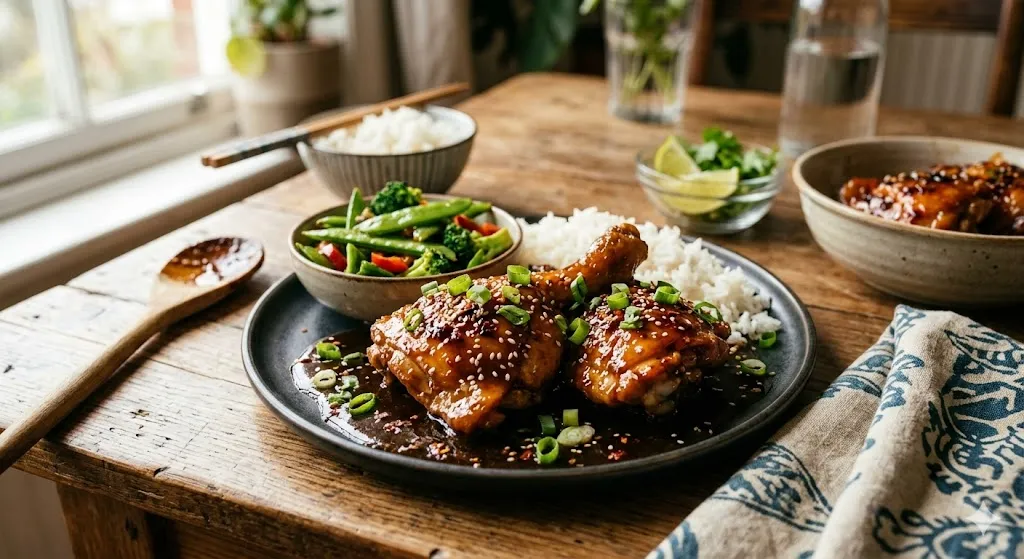
Serve with Southern style green beans, creamy mac and cheese, or a crisp cucumber tomato salad. Asian style sticky chicken pairs well with steamed broccoli, jasmine rice, or stir fried vegetables.
Try This Recipe Next!
Crispy Sesame Chicken with a Sticky Asian Sauce, Sheet Pan Orange Ginger Chicken and Vegetables, or Sweet, Sticky, and Spicy Chicken for another take on a beloved comfort food.
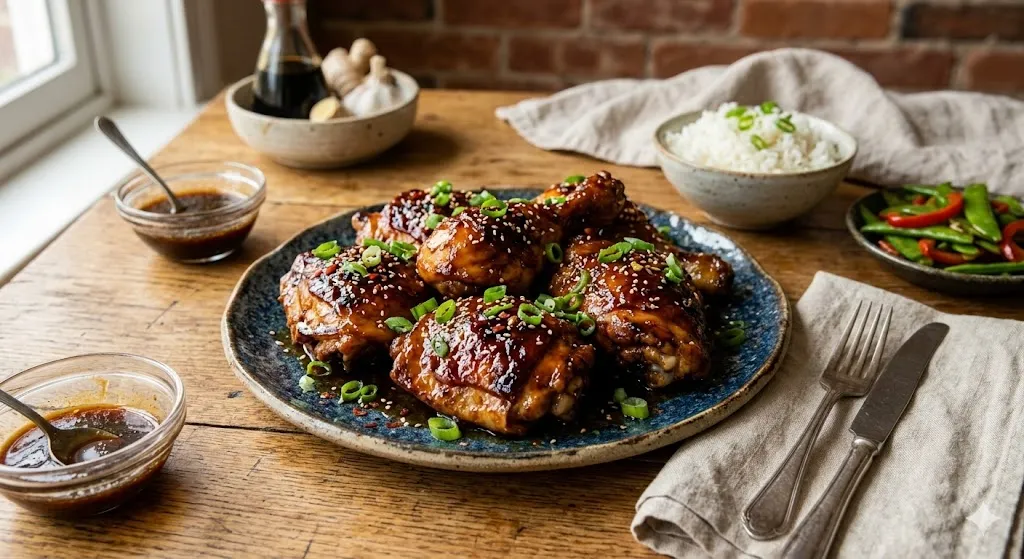

Sticky Chicken Recipe
Ingredients
Equipment
Method
- Pat the chicken dry with paper towels, then season both sides with salt and pepper. Lightly coat with cornstarch until evenly dusted.
- Heat vegetable oil in a large skillet over medium-high heat. Add chicken and cook 4–5 minutes per side until golden brown and cooked through.
- While the chicken cooks, whisk soy sauce, honey, brown sugar, garlic, ginger, rice vinegar, sesame oil, and water in a bowl until smooth.
- Reduce heat to medium and pour the sauce into the skillet. Let it simmer around the chicken.
- Cook for 5–7 minutes, turning the chicken occasionally, until the sauce thickens and becomes glossy and sticky.
- Spoon the thickened glaze over the chicken repeatedly until fully coated and caramelized.
- Remove from heat once the sauce clings tightly to the chicken and slightly bubbles.
- Garnish with sesame seeds and sliced green onions before serving.
Notes
Conclusion
A great sticky chicken recipe is one of those dishes every home cook should have in their back pocket. It’s simple enough for a weeknight dinner but flavorful enough to compete with restaurant takeout. Once you understand how the sauce thickens, how to adjust the heat, and how to balance the sweet and savory ingredients, the recipe becomes incredibly flexible.
You can adapt it to different chicken cuts, cooking methods, and pantry ingredients. If you’ve been craving takeout style chicken, this homemade version might surprise you. Try it once, save the recipe, and it may quickly become one of those dinners you come back to again and again.
This polish pierogi recipe guides you to tender, pillowy dumplings filled with savory or sweet fillings that bring classic comfort straight to your kitchen.