sausage stuffing recipe: 5 Easy Secrets for Perfect Flavor

There’s something about the smell of sausage browning with onion and celery that instantly feels like the holidays. Long before the turkey comes out of the oven, that savory aroma fills the kitchen and lets everyone know Thanksgiving is officially underway. For me, this sausage stuffing recipe is the dish people sneak spoonfuls of before it even hits the table.
It’s hearty, herby, and deeply savory, with crisp golden edges and a soft, custardy center. The combination of Italian sausage, fresh sage, rosemary, and thyme folded into toasted bread cubes makes it far more than just a side dish. Whether you call it stuffing or dressing, this is the kind of recipe that earns a permanent place on the holiday feast menu.
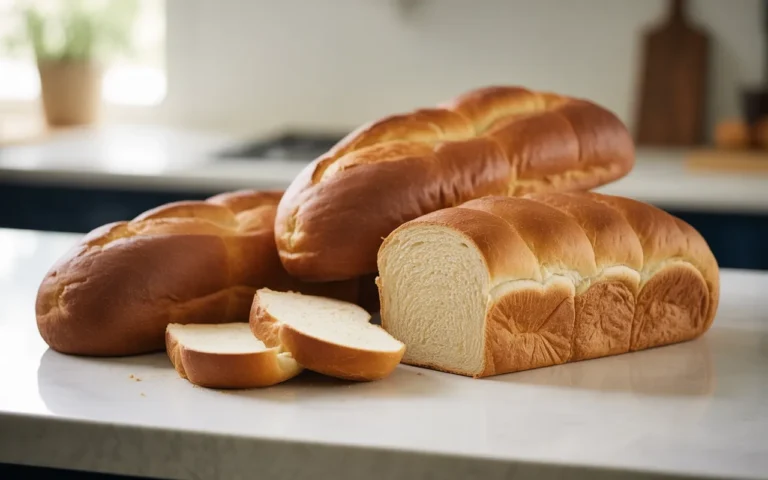
If you love soft, crusty sandwich bread, this Cuban Bread Recipe will show you how to get that authentic bakery-style texture at home.
What Is Sausage Stuffing Recipe and Why It’s So Popular
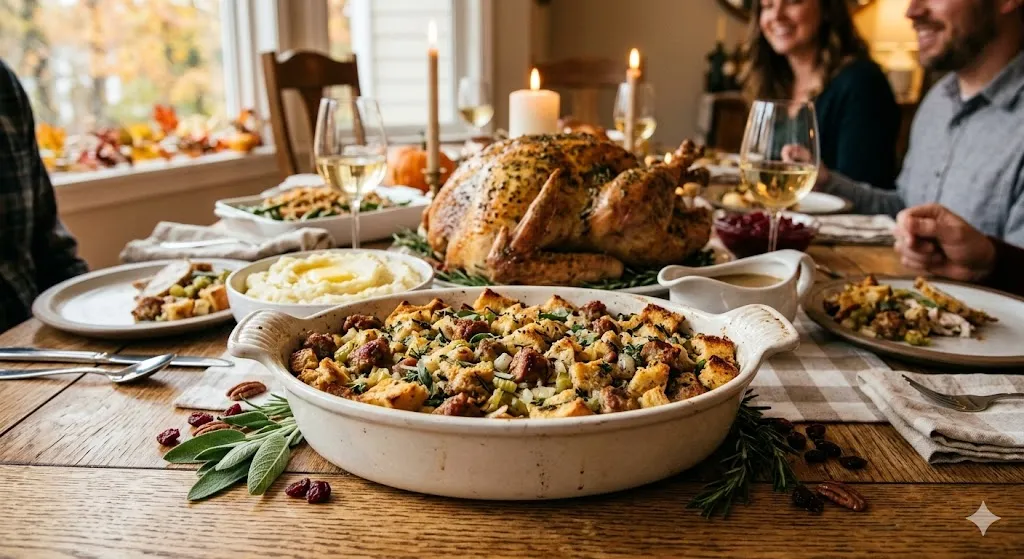
At its core, a sausage stuffing recipe is a baked mixture of bread, seasoned sausage, aromatics like celery and yellow onion, herbs, broth, and often eggs to bind everything together. It can be baked outside the bird in a casserole dish (technically dressing) or cooked inside the turkey cavity (true stuffing).
It remains wildly popular at Thanksgiving because it hits every comfort note at once: savory protein from the sausage, tender bread soaked in chicken broth, aromatic herbs, and a crispy top that contrasts with the moist interior. It’s also adaptable. You can make it rustic with sourdough, slightly sweet with brioche, or even bold with chorizo or andouille.
What to Expect: Real Cost Breakdown Before You Start
Holiday meals add up quickly. Here’s a realistic look at what this sausage stuffing recipe costs depending on how you approach it.
| Version | Estimated Cost (Serves 8–10) | Cost Per Serving |
| Box mix shortcut (Stove Top style) | $8–10 | $1.00–$1.25 |
| Semi homemade (Pepperidge Farm Stuffing cubes + fresh add ins) | $14–18 | $1.75–$2.25 |
| Fully scratch made (French bread + 1 pound Italian sausage) | $18–24 | $2.25–$3.00 |
| Premium/artisan (brioche, specialty sausage, organic herbs) | $28–35 | $3.50–$4.38 |
The most expensive ingredient is typically the sausage. Using turkey sausage or bulk raw sausage on sale can reduce cost significantly without sacrificing flavor.
Choosing the Right Sausage (Because It Changes Everything)
The sausage you use determines the overall flavor profile of your stuffing.
| Sausage Type | Flavor Profile | Fat Level | Best For |
| Mild Italian sausage | Balanced, subtle fennel | Medium | Classic stuffing |
| Sweet Italian sausage | Slightly sweet, aromatic | Medium | Family friendly |
| Spicy Italian sausage | Bold heat, fennel forward | Medium | Cuts richness |
| Breakfast sausage | Sage heavy, savory | Higher | Traditional Thanksgiving |
| Chicken sausage | Leaner, lighter | Lower | Health conscious |
| Andouille | Smoky, garlicky | Medium | Southern style |
| Chorizo | Smoky, paprika rich | Medium high | Cornbread stuffing |
If using sausage links, remove the casings before browning.
Recipe Overview: Flavor, Texture, and Timing
This sausage stuffing recipe delivers a perfect balance of crisp and tender. The top turns golden brown and slightly crispy, while the center stays moist with a gentle custardy texture thanks to the eggs and broth. Fresh sage and rosemary provide herby depth, and properly browned sausage adds rich umami. It works best for large gatherings and can be made ahead, refrigerated overnight, or frozen for up to 2 months.
| Detail | Info |
| Prep Time | 45 minutes |
| Cook Time | 1 hour 15 minutes |
| Total Time | About 2 hours |
| Serves | 10 |
| Difficulty | Moderate |
| Cuisine | American |
| Calories | 460 |
Ingredients for Homemade Sausage Stuffing recipe and Why They Matter
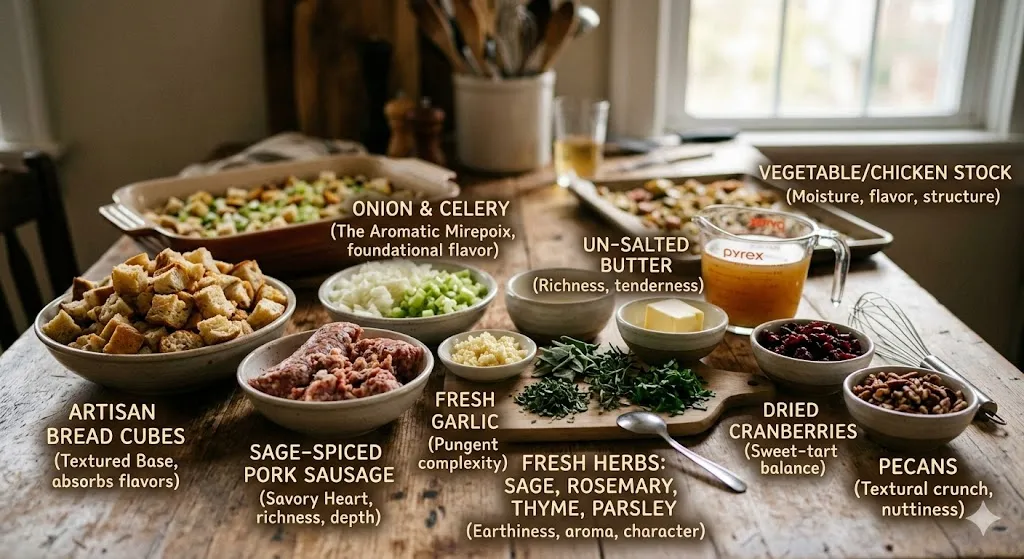
Every ingredient here serves a purpose.
- 12 cups bread cubes (1-inch pieces from stale French bread, sourdough, or brioche) Dried bread absorbs broth without turning mushy.
- 1 pound Italian sausage: Provides protein stuffing structure and deep flavor.
- ½ cup unsalted butter (1 stick butter): Adds richness and supports browning.
- 2 cups diced celery: Classic aromatic backbone.
- 2 cups chopped yellow onion: Sweetness and depth.
- 4 cloves minced garlic: Subtle savory layer.
- 2 tablespoons chopped fresh sage: Essential Thanksgiving aroma.
- 1 tablespoon chopped fresh rosemary
- 1 tablespoon chopped parsley
- 2 cups chicken broth:Hydrates the bread.
- 2 large eggs:Binder for sliceable structure.
- ½ teaspoon kosher salt
- ½ teaspoon black pepper
Make It Work for Everyone: Substitution Matrix
| Ingredient | Dairy Free | GF | Egg Free | Lower Sodium | Vegetarian |
| Butter | Olive oil | Same | Same | Unsalted butter | Same |
| Chicken broth | Vegetable broth | Certified GF broth | Same | No salt added | Vegetable broth |
| Pork sausage | Same | Check label | Same | Turkey sausage | Mushroom + fennel blend |
| Eggs | Same | Same | Flax egg | Same | Aquafaba |
| Bread cubes | Check label | GF bread | Same | Unseasoned cubes | Same |
How to Make Sausage Stuffing recipe the Right Way
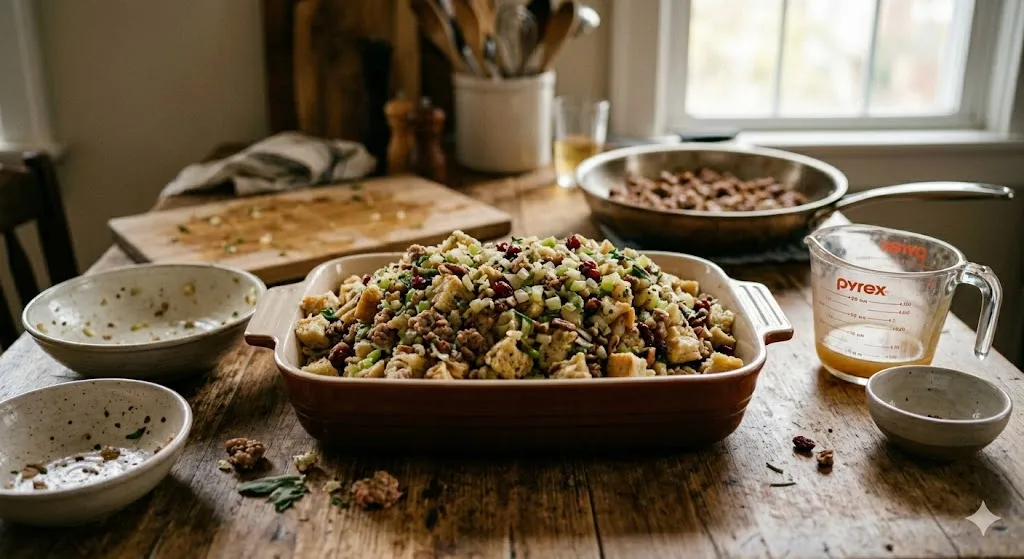
The key is layering flavor before combining everything. Brown the sausage aggressively over medium high heat in a large skillet until deeply caramelized. This isn’t just cooking, it’s creating Maillard reaction flavor that carries through the entire dish.
Step by Step Instructions
- Preheat your 350°F oven and grease a 9×13 inch baking dish.
- Spread bread cubes on a rimmed baking sheet and dry at 300°F for 20–25 minutes if needed.
- Brown sausage in olive oil; remove with a slotted spoon.
- In the same skillet, sauté onion and celery in butter until soft and fragrant.
- Combine bread, sausage, vegetables, and herbs in a large bowl.
- Whisk 2 large eggs with 2 cups chicken broth; pour gradually while folding gently with a wooden spoon.
- Transfer to a baking dish, cover with foil, and bake for 45 minutes.
- Uncover and bake 15 minutes more until golden brown all over and 165°F internally.
Food Science Corner: Why Texture Goes Wrong
Fresh bread is already hydrated. When you add broth, it collapses instead of absorbing. Dry bread has room to soak up liquid without turning mushy. Eggs coagulate around 160°F, binding everything together. Without them, stuffing falls apart. Browning sausage properly renders fat that coats each cube and enhances umami.
Stuffing vs Dressing: Food Safety Explained
Casserole Dish (Recommended)
- Reaches 165°F evenly
- Crisp top guaranteed
- Easier to portion
Inside the Turkey
- Must hit 165°F at center
- Stuff loosely
- Never stuff ahead of roasting
Cooking inside often results in softer stuffing and overcooked turkey.
Scaling Up for a Crowd Without Ruining Texture
| Servings | Bread | Sausage | Broth | Pan | Bake Time |
| 4–6 | 6 cups | ½ lb | 1–1¼ cups | 8×8 | 35–40 min |
| 8–10 | 12 cups | 1 lb | 2–2½ cups | 9×13 | 45–55 min |
| 16–20 | 24 cups | 2 lbs | 4–5 cups | Two 9×13 pans | 55–65 min |
Never use one deep roasting pan. Depth causes steaming instead of baking.
Stuffing 911: What To Do When It Goes Wrong
| Problem | Cause | Fix |
| Too soggy | Too much broth | Bake uncovered at 300°F 10–15 min |
| Too dry | Overbaked | Add ¼ cup warm broth, cover, bake 10 min |
| Pale top | Too much moisture | Broil 2–3 min |
| Falls apart | No egg | Add egg + ¼ cup broth, bake 10 min |
Make Ahead Timeline That Actually Works
3–5 days ahead: Dry bread cubes
2 days ahead: Brown sausage
1 day ahead: Sauté vegetables
Morning of: Assemble without liquid
1 hour before serving: Add broth + eggs, bake
Reheating:
- Oven 350°F covered 20–25 minutes (best result)
- Microwave 2–3 minutes (soft texture)
- Air fryer 350°F 5–8 minutes (excellent crust revival)
Storage and Freezing Guidelines You Should Follow
- Refrigerated baked stuffing: 3–4 days in airtight container
- Frozen baked stuffing: 2–3 months in freezer safe bags
- Room temp limit: 2 hours max
If it smells sour or feels slimy, discard immediately.
Pro Tips for Perfect Sausage Stuffing recipe Every Time
These are the small technical adjustments that separate “good” stuffing from the kind guests ask about every year.
1. Dry the Bread Properly (Even If It’s “Stale”)
Most people underestimate this step. Bread should feel firm and dry on the outside but not rock hard. If you can easily squish it between your fingers, it needs more oven time. Lightly toasting at 300°F for 20–25 minutes ensures it absorbs broth instead of collapsing into mush. Under dried bread = gummy center.
2. Brown the Sausage Until It Develops Color
Don’t just cook it through let it caramelize.
Deep golden brown bits create concentrated savory flavor Maillard reaction Stir occasionally, not constantly, so it actually browns instead of steams. Pale sausage = flat stuffing.
3. Taste the Mixture Before Adding Eggs
This is a professional level move.After combining sausage, vegetables, herbs, and bread, before adding eggs, warm a spoonful in a skillet and taste it. Adjust salt and pepper now. Once eggs go in, seasoning becomes harder to adjust evenly.
4. Add Broth Gradually Never All at Once
You may not need the full amount. Pour broth slowly while folding gently. Stop when the bread feels moist but not soupy. When squeezed lightly, it should hold together but not drip. Climate and bread type change absorption rates.
5. Don’t Overpack the Baking Dish
Compression leads to steaming instead of baking.Spread the stuffing loosely and evenly. Air pockets help create that prized crispy golden top.If doubling the recipe, use two pans, never one deep roasting pan.
6. Use Fresh Herbs When Possible
Fresh sage especially makes a noticeable difference. Dried herbs work in a pinch (use 1/3 the amount), but fresh herbs provide brightness that cuts through the richness of sausage and butter.
7. Let It Rest Before Serving
Rest 10–15 minutes after baking. This allows the eggs to fully set and moisture to redistribute, making it easier to scoop or slice cleanly.
8. For Extra Crispy Edges, Finish Uncovered
If you love crispy bits (and most people do), bake covered first, then uncover for the final 15–20 minutes. For an even deeper crust, broil for 1–2 minutes but watch closely.
9. Make It Ahead the Right Way
Assemble everything except the broth and eggs. Cover and refrigerate. Add liquid just before baking. This prevents sogginess and preserves texture.
10. Use a Thermometer Don’t Guess
The center should reach 160–165°F. Stuffing is dense, and visual cues aren’t always reliable. A probe thermometer guarantees safety and ideal texture.
Equipment Matters More Than You Think
Metal pans brown faster. Glass or ceramic bake more gently. A shallow 2 inch pan creates more crispy surface area. Always use a large bowl so you can fold gently and avoid gumminess. A probe thermometer is your best insurance aim for 160–165°F internally.
My Experience Making This sausage stuffing Recipe at Home
The first time I made sausage stuffing, I packed it into a deep roasting pan thinking bigger was better. The center was soggy, and the edges were dry. Now I always use two 9 X 13 inch casserole dishes. The crust is priceless.
Looking for more comforting meal ideas? Explore more delicious recipes on Cookiva Recipe and discover your next favorite dish.
Common Mistakes When Making Sausage Stuffing recipe (And How to Fix Them)
Here are the most common sausage stuffing mistakes and exactly how to avoid them.
1. Using Fresh, Soft Bread
Mistake: Fresh bread turns gummy and collapses when broth is added.
Why it happens: The bread already contains too much internal moisture.
Fix: Use day old bread or toast cubes at 300°F for 20–25 minutes until dry but not browned.
2. Adding Too Much Broth at Once
Mistake: Dumping all the broth in creates soggy stuffing.
Why it happens: Different breads absorb liquid at different rates.
Fix: Add broth gradually and stop when the mixture feels moist but not wet. When squeezed, it should hold together without dripping.
3. Under Browning the Sausage
Mistake: Cooking sausage until just done but not caramelized.
Why it matters: Browning develops deep savory flavor through the Maillard reaction.
Fix: Cook over medium high heat and allow golden brown bits to form before removing from the skillet.
4. Overcrowding the Baking Dish
Mistake: Packing stuffing tightly into a deep pan.
Why it matters: Dense stuffing steams instead of bakes, preventing crispy edges.
Fix: Spread loosely in a shallow casserole dish (about 2 inches deep). If doubling, use two pans.
5. Skipping the Resting Time
Mistake: Serving immediately from the oven.
Why it matters: The interior is still setting, leading to crumbly texture.
Fix: Let stuffing rest 10–15 minutes before scooping.
6. Not Tasting Before Baking
Mistake: Assuming seasoning is correct.
Why it matters: Bread dilutes salt and herbs more than expected.
Fix: Warm a spoonful in a skillet and taste before adding eggs. Adjust seasoning as needed.
7. Overmixing the Bread
Mistake: Stirring aggressively until compact.
Why it matters: Overmixing compresses bread and creates a dense texture.
Fix: Fold gently using a large spoon or your hands.
8. Cooking Stuffing Inside the Turkey Without Checking Temperature
Mistake: Relying on turkey doneness alone.
Why it matters: Stuffing must reach 165°F internally for food safety.
Fix: Use a probe thermometer and check the center of the stuffing itself.
Quick Reference: Why Sausage Stuffing recipe Turns Soggy
Sausage stuffing becomes soggy when:
- Bread isn’t properly dried
- Too much broth is added
- The pan is too deep
- It’s covered for the entire bake
- It’s tightly packed
To fix soggy stuffing, bake uncovered at 300–325°F for 10–15 minutes to evaporate excess moisture.
Benefits of Sausage Stuffing Recipe
This dish is beloved because it delivers a bold, savory flavor with comforting texture. It’s made ahead friendly, crowd pleasing, and flexible enough for dietary swaps.
- Hearty and satisfying
- Easy to scale
- Perfect for holiday feast planning
- Great use of stale bread
sausage stuffing recipe Frequently Asked Questions

sausage stuffing recipe
Ingredients
Equipment
Method
- Preheat oven to 375°F and lightly grease a 9×13-inch baking dish.
- In a large skillet over medium heat, cook sausage until browned and crumbly with no pink remaining, about 6–8 minutes.
- Add butter, onion, and celery to the skillet and cook until softened and translucent, about 5 minutes. Stir in garlic and cook until fragrant, about 30 seconds.
- In a large bowl, combine bread cubes, cooked sausage mixture, sage, thyme, salt, and pepper. Toss until evenly distributed.
- Whisk chicken broth and beaten eggs together, then pour over the bread mixture. Stir gently until the bread is evenly moistened but not soggy.
- Transfer mixture to the prepared baking dish and spread evenly. Lightly press down to compact.
- Bake uncovered for 35–40 minutes, until the top is golden brown and slightly crisp.
- Sprinkle with fresh parsley before serving and let rest 5 minutes to set.
Notes
Conclusion
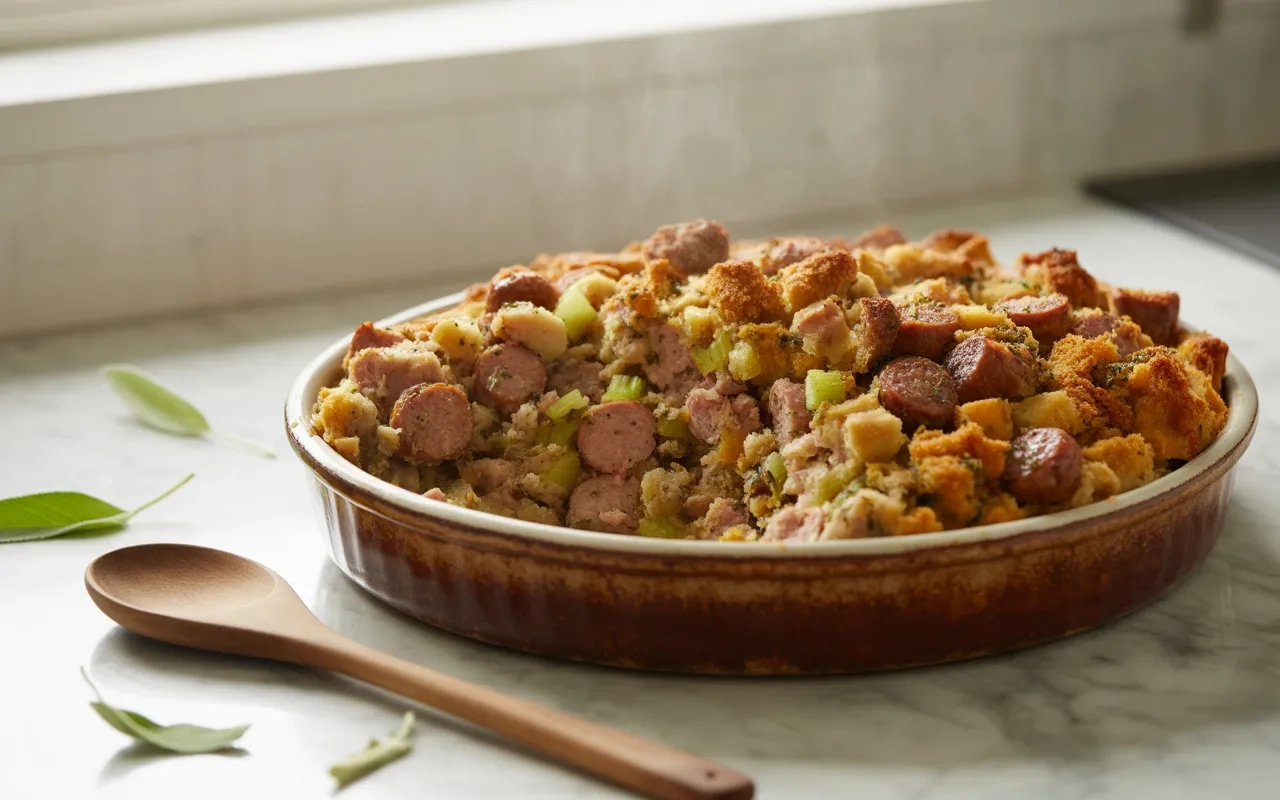
This sausage stuffing recipe is more than just a side dish; it’s a centerpiece of Thanksgiving comfort. With crisp golden edges, tender bread, and deeply savory Italian sausage, it delivers exactly what holiday tables need. Save it, bookmark it, and bring it out every fall and winter. Once you make it this way, it’s hard to go back.
Discover more flavorful side dishes like this sausage stuffing recipe to complete your perfect meal.