Cuban Bread Recipe: Easy Homemade 5-Step Bakery Loaf

There’s something unforgettable about a freshly baked Cuban bread recipe done right. With its light, airy interior and delicately crisp crust, this iconic loaf is the foundation of some of the most beloved sandwiches in American and Cuban cuisine. Whether you’re building the ultimate Cubano or simply tearing off a warm piece with butter, authentic Cuban bread delivers flavor and texture that store bought loaves just can’t match.
Want more homemade baking ideas? Visit Cookiva Recipe and discover delicious recipes to try next in your kitchen.
What Is Cuban Bread Recipe and Why It’s Loved Around the World
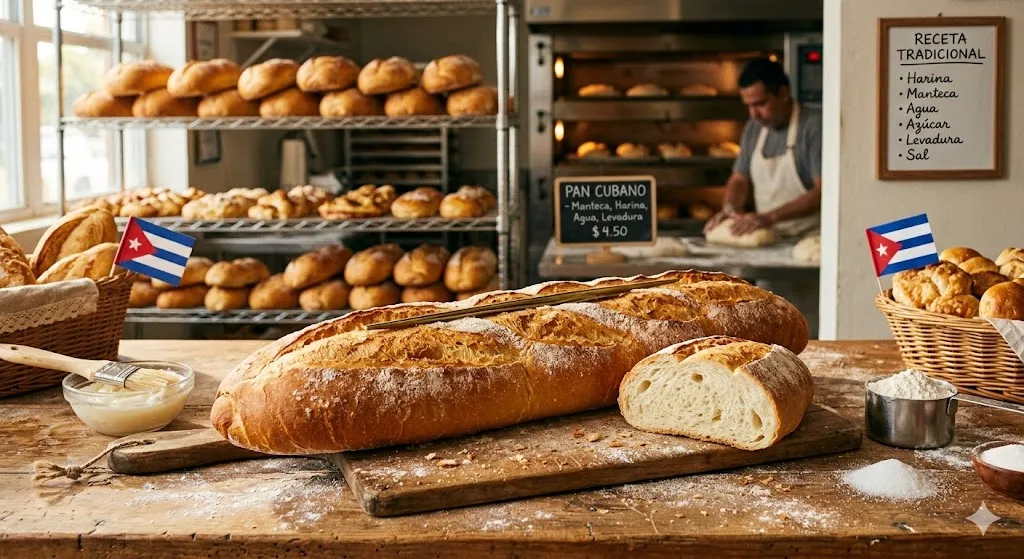
There’s something irresistible about the aroma of freshly baked Cuban bread recipes. Its golden crust, tender crumb, and slightly sweet undertones make it a staple in homes and bakeries alike, especially in Florida’s Cuban communities. While Cuban bread is often synonymous with the iconic Cuban sandwich, it shines just as brightly when served warm with butter or alongside a hearty bowl of black beans and rice. For many, baking this bread at home is both a culinary adventure and a way to reconnect with tradition, whether for weekend breakfasts, lunch sandwiches, or festive gatherings.
Cuban bread recipe, or pan Cubano, traces its roots to the bakeries of Tampa and Miami in the late 19th century. Traditionally made with lard, yeast, flour, sugar, and a touch of salt, it’s characterized by a soft interior and a thin, crisp crust. Bakers historically scored loaves with palmetto fronds, giving each loaf a distinctive seam. Today, home cooks can recreate this bread in their ovens, capturing the authentic flavor and texture without the need for industrial steam ovens.
People keep making Cuban bread at home because of its versatility and comfort. Its mild sweetness, airy crumb, and slight chewiness pair beautifully with a variety of fillings or spreads. Unlike standard sandwich loaves, Cuban bread has a lightness that’s perfect for layering meats, cheeses, and pickles, or simply enjoying on its own with a cup of café Cubano.
Cuban Bread Recipe Overview: Taste, Texture, and Perfect Occasions
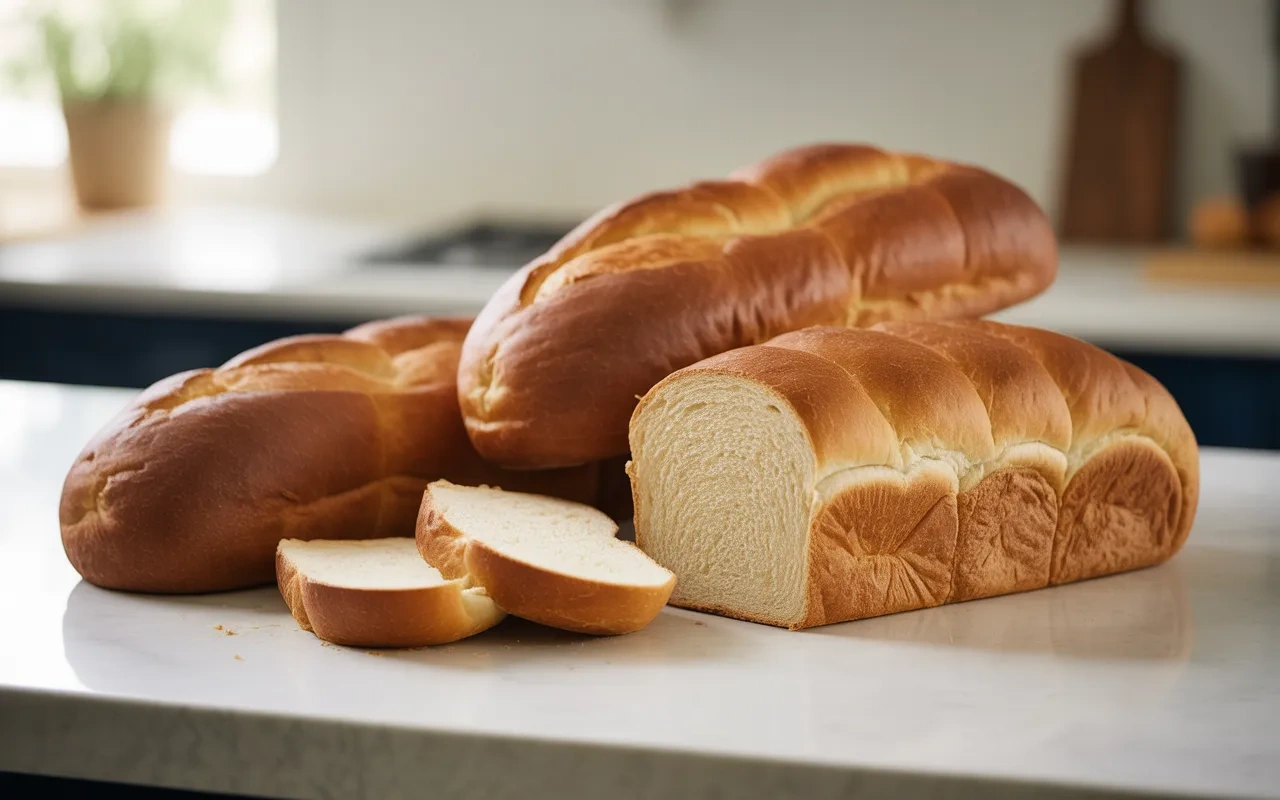
When done right, homemade Cuban bread has a beautiful balance of flavors: a delicate hint of sweetness, a savory undertone from lard or butter, and the comforting smell of fresh baked bread filling your kitchen. The crust should be thin and golden brown, slightly crisp to the touch, while the inside remains soft, fluffy, and slightly springy. Unlike French baguettes or Italian baguettes, Cuban bread recipes have a tender crumb thanks to the fat incorporated into the dough.
This bread works best for family meals, weekend brunches, or when preparing Cuban sandwiches for gatherings. Its forgiving texture makes it excellent for toasting or slicing thinly for sandwiches, while day old loaves can be repurposed for croutons, bread pudding, or breakfast toast.
| Recipe Overview | Details |
| Prep Time | 25 mins (plus starter time) |
| Cook Time | 20 mins |
| Additional Time | 11 hrs 30 mins (rising/fermentation) |
| Total Time | 12 hrs 15 mins |
| Servings | 12 |
| Yield | 2 loaves |
| Difficulty | Medium |
| Cuisine | Cuban / Latin American |
| Calories | 172 per slice |
Ingredients and Why They Matter
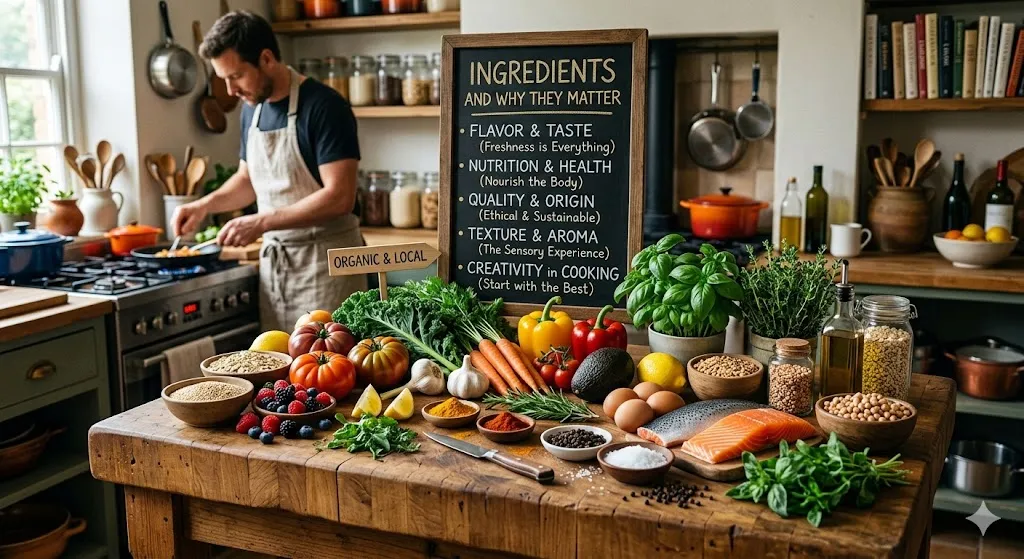
Every ingredient in Cuban bread plays a specific role in achieving the perfect texture, flavor, and rise.
- Flour (All Purpose & Bread Flour): Bread flour boosts gluten development for a chewy yet tender crumb, while all purpose flour balances softness. A mix gives optimal rise.
- Lard (or Substitutes): Traditionally, rendered pork fat gives Cuban bread its authentic flavor and tender texture. If unavailable, vegetable shortening or butter works, though flavor and crumb will differ slightly.
- Yeast (Active Dry or Instant): Yeast is crucial for rising. Active dry yeast needs proofing in warm water with sugar, while instant yeast can be mixed directly with flour.
- Sugar: Feeds the yeast, kick starting fermentation, and adds a subtle sweetness that complements savory fillings.
- Salt: Strengthens gluten and enhances flavor. Add after the yeast has been activated to avoid slowing fermentation.
- Warm Water: Hydrates flour and yeast, creating the ideal dough consistency.
- Optional Ingredients: Cornmeal for dusting, olive oil or butter for brushing, palmetto fronds or kitchen string for scoring.
Ingredient Substitutions
- Lard → Vegetable shortening, butter, or rendered duck fat. Flavor and texture will vary slightly.
- Bread Flour → All purpose flour alone works, though the crumb may be softer and less chewy. Up to 1 cup whole wheat can be added.
- Sugar → Honey or agave syrup in equal amounts; adjust liquid accordingly.
- Yeast → Active dry or instant; for rapid rise, rapid acting yeast is suitable.
Cost and Budget Analysis for Homemade Cuban Bread Recipe
Baking Cuban bread recipes at home can be surprisingly affordable. Here’s a typical breakdown for two loaves:
| Ingredient | Quantity | Approx. Cost (USD) |
| Bread Flour | 3 cups | $1.50 |
| All Purpose Flour | 3 cups | $1.20 |
| Lard | ¼ cup | $0.70 |
| Yeast | 2¼ tsp | $0.25 |
| Sugar | 2 tsp | $0.05 |
| Salt | 2 tsp | $0.02 |
| Water | 1¼ cups | $0.00 |
| Total Cost per 2 Loaves | – | $3.72 |
For comparison, a store bought Cuban loaf can cost $3–$5 each, meaning homemade bread is cost effective, fresher, and allows ingredient control.
If you love comforting dumplings, you have to try this polish pierogi recipe for perfectly tender dough and flavorful fillings every time.
How to Make Cuban Bread Recipe the Right Way
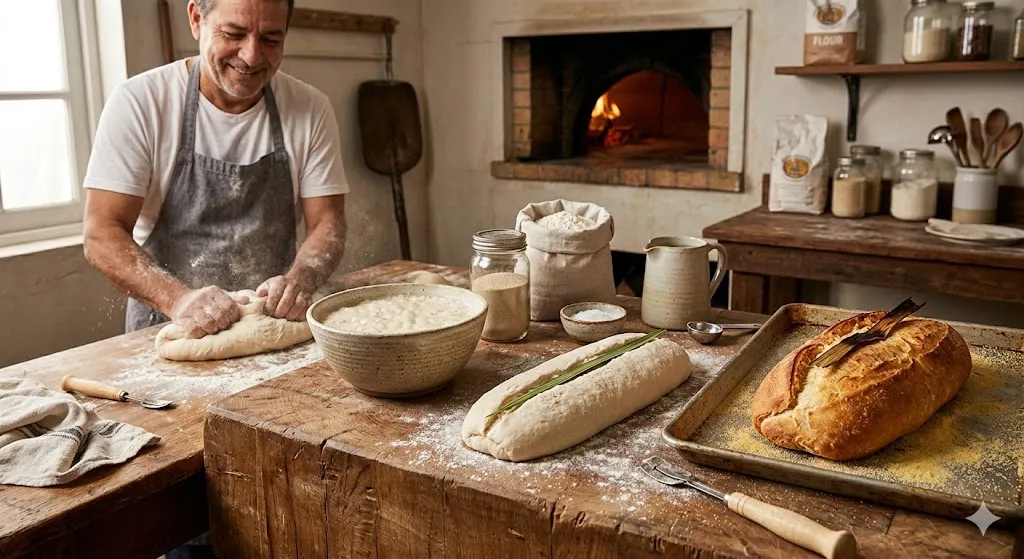
Baking Cuban bread recipes requires patience and attention to detail. Here’s the best approach:
- Prepare the Starter: Dissolve sugar in warm water, sprinkle yeast, and let sit until foamy (5–10 mins). Add a small amount of flour to form a sticky starter ball. Cover and let ferment 1–2 hours.
- Mix the dough: Combine bread and all purpose flour, salt, lard, and the starter. Knead for 10 minutes until smooth, elastic, and slightly tacky. Use the windowpane test to check gluten development.
- First Rise: Place dough in a lightly greased bowl, cover with a damp towel, and let rise in a warm spot until doubled (1–2 hours).
- Shape Loaves: Divide dough into two portions, roll each into a rectangle, then roll tightly into a skinny loaf or torpedo shape. Flatten the tops slightly.
- Second Rise: Place on parchment lined baking sheets, cover, and let rise for 30–45 minutes. Preheat the oven to 400–425°F with a pan of water for steam.
- Score and Bake: Use palmetto fronds, kitchen string, or a sharp knife to create a central slit. Lightly mist or brush with water. Bake 15–20 minutes until golden brown, crusty outside, and 200°F internal temperature.
- Cool Properly: Transfer to a cooling rack and let rest before slicing.
Pro Tip for Best Results
For an extra crispy crust and airy crumb, use steam in the first 10 minutes of baking. A small pan of boiling water in the oven creates a humid environment, helping the loaf expand fully while keeping the crust thin and crisp. This replicates the professional Cuban bakery ovens and dramatically improves texture.
Common Mistakes and Why They Ruin the Bread
Making Cuban bread can be tricky. Here’s what to watch out for:
- Too Much Flour: Leads to dense, dry loaves. Stick to slightly tacky dough.
- Overproofing: Loaves collapse or spread too much. Follow recommended rise times.
- Cold Proofing Environment: Dough rises slowly or unevenly. Keep in a warm, draft free spot.
- Skipping Lard or Incorrect Fat: Impacts crumb tenderness and flavor. Use appropriate substitutes wisely.
Key Tips: Always measure flour by weight if possible, perform the windowpane test, and allow dough to fully relax between kneading and shaping.
Variations, Substitutions, and When to Use Them
Homemade Cuban bread recipe is flexible:
- Replace lard with vegetable shortening for a vegetarian option.
- Mix in up to 1 cup whole wheat flour for extra fiber; expect a slightly denser loaf.
- Add a touch of honey for enhanced sweetness if desired.
- Experiment with different scoring patterns or shapes to suit presentation or sandwich size.
My Experience Making Cuban Bread Recipe at Home
When I first baked the Cuban bread recipe, I over kneaded the dough, resulting in a slightly tight crumb. After adjusting to 10 minutes of gentle kneading and using steam in the oven, the bread developed the classic soft interior and thin, crackly crust I was aiming for. I also learned that a small slit with a sharp knife is more reliable than trying to mimic palmetto fronds when baking at home.
Enjoy this Cuban bread recipe alongside more breakfast breads to make your mornings fresh and satisfying.
Benefits of Homemade Cuban Bread Recipe
Baking Cuban bread recipe at home isn’t just satisfying, it has tangible everyday benefits. The bread is flavorful, versatile, and fresh, perfect for sandwiches, toasts, or snacks. Compared to store bought loaves, you control the ingredients, reduce preservatives, and can adjust recipes for dietary needs.
- Freshly baked aroma enhances mealtime experience.
- Soft, tender crumb perfect for sandwiches or spreads.
- Can be portioned, frozen, or repurposed creatively for other dishes.
Equipment and Kitchen Tools That Make a Difference
While you can bake with minimal equipment, certain tools improve consistency:
- Stand Mixer with Dough Hook: Simplifies kneading.
- Bread Machine Dough Cycle: Mix and proof dough, then shape and bake manually.
- Dutch Oven or Oven Safe Pan for Steam: Produces crispy crusts.
- Kitchen Scale: Ensures precise flour measurement for consistent results.
- Sharp Knife or Lame: For scoring the central slit.
Troubleshooting Tips for Common Baking Issues
- Dough Too Dry: Add water, one tablespoon at a time.
- Dense Loaf: Check yeast freshness and avoid excess flour.
- Uneven Crumb: Ensure proper kneading and first rise.
- Collapsed Loaf: Avoid overproofing and maintain a warm, humid proofing environment.
Storage, Freezing, and Reheating Best Practices
Cuban bread has a delicate crust that can stale quickly. Here’s how to extend its freshness:
- Store at room temperature in a loosely sealed bag for up to 1 day.
- Freeze wrapped for up to 3 months.
- Reheat day old bread in a 350°F oven for 5–10 minutes to restore crispness.
- Avoid refrigeration; it tends to make the bread gummy and dense.
Serving Suggestions and Creative Uses
Beyond the classic Cuban sandwich, you can enjoy your bread in multiple ways:
- Slice and lightly toast with butter or jam for breakfast.
- Make croutons for salads or soups.
- Create Cuban bread pudding with eggs, milk, and cinnamon.
- Pair with café Cubano, black beans, rice, or tropical jams for authentic Cuban flair.
Nutrition Facts (Per Slice)
- Calories: 172
- Fat: 4g
- Carbs: 29g
- Protein: 4g
- Sodium: 77mg
- Fiber: 1g
- Sugars: 1g
FAQ Real Questions People Ask
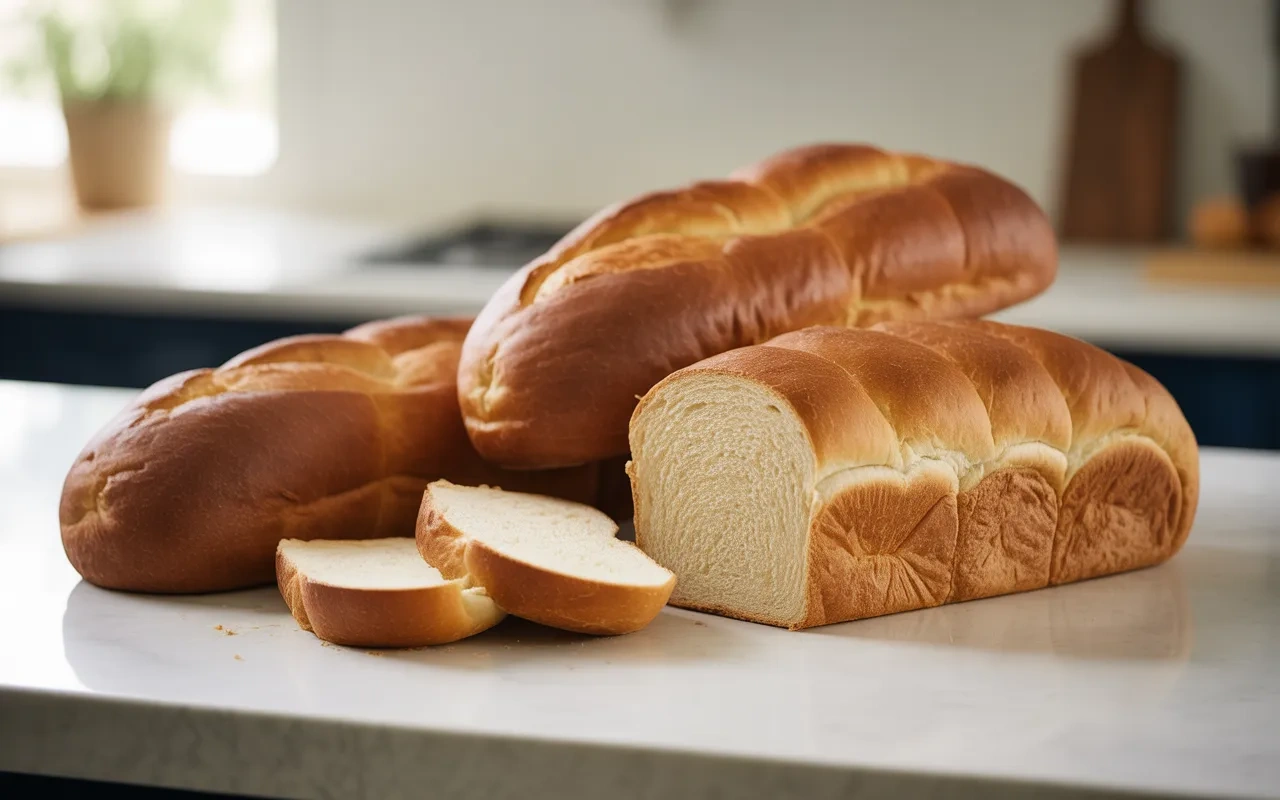

Cuban Bread Recipe
Ingredients
Equipment
Method
- In a bowl, dissolve yeast and sugar in warm water; let sit 5–10 minutes until foamy on top.
- Add flour, salt, and lard, then mix until a shaggy dough forms. Knead 8–10 minutes until smooth and slightly tacky but not sticky.
- Place dough in a lightly oiled bowl, cover, and let rise in a warm spot for about 1 hour until doubled in size.
- Punch down the dough and shape into a long, narrow loaf about 12–14 inches long. The surface should feel smooth and tight.
- Place on a cornmeal-dusted baking sheet, cover loosely, and let rise again for 30–40 minutes until puffy.
- Preheat oven to 375°F. Using a sharp knife, score a shallow line lengthwise down the center of the loaf.
- Bake for 22–25 minutes until golden brown and hollow-sounding when tapped on the bottom.
- Cool on a wire rack for at least 20 minutes before slicing to preserve the soft interior texture.
Notes
If you don’t have bread flour, all-purpose flour works but the loaf will be slightly less chewy.
This bread is best enjoyed fresh the same day for authentic texture and flavor.
Conclusion: Why You Should Bake Cuban Bread Recipe at Home
Baking Cuban bread recipe a rewarding experience that delivers fresh, flavorful loaves perfect for sandwiches, breakfast, or creative culinary uses. With patience, attention to ingredients, and a few practical tips, anyone can achieve the tender crumb and crisp crust of an authentic pan Cubano. Bookmark this recipe, gather your ingredients, and bring the warm, comforting aroma of Cuban baking into your kitchen. Once you try it, you’ll see why this bread has remained a beloved staple for generations.
If you’re craving crispy pub-style seafood at home, this best Fish and Chips recipe shows you exactly how to get that golden crunch and flaky inside every time.