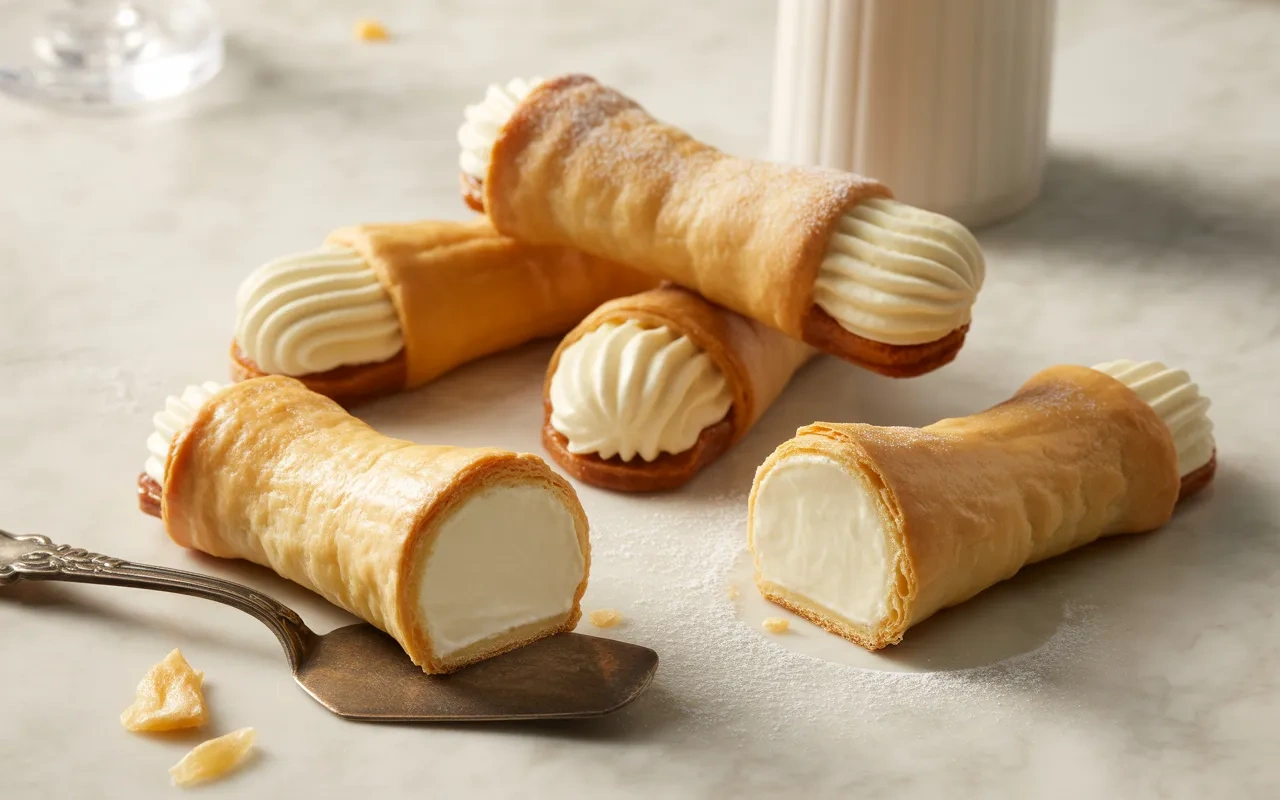
Lady Locks Recipe: Easy Homemade Cream Horns in 45 Minutes

There’s something magical about walking into a kitchen where a batch of lady locks is being made. The smell of buttery pastry baking on metal molds, the quiet dusting of powdered sugar drifting like snow, and that first bite of crisp shell filled with fluffy cream instantly feels like a celebration. This lady locks recipe is one of those nostalgic bakes that shows up at weddings, holidays, and big family gatherings where dessert tables stretch longer than the main meal.
These delicate cream horns also known as clothespin cookies or cream horns are especially iconic in Pittsburgh cookie table traditions, where hundreds of Pittsburgh cookies line wedding receptions like edible jewels. The texture is what keeps people coming back: flaky, tender pastry wrapped around a cloud like sweet filling that melts the moment it hits your tongue. Whether you’re baking them for a bridal shower, Christmas cookie tray, or just because you love a good pastry project, lady locks feel both old fashioned and unforgettable in the best way.
Explore more sweet treats and baking ideas on Cookiva Recipe where you’ll find even more delicious recipes to try at home.
what is lady locks recipe and why it’s popular in wedding cookie tables?
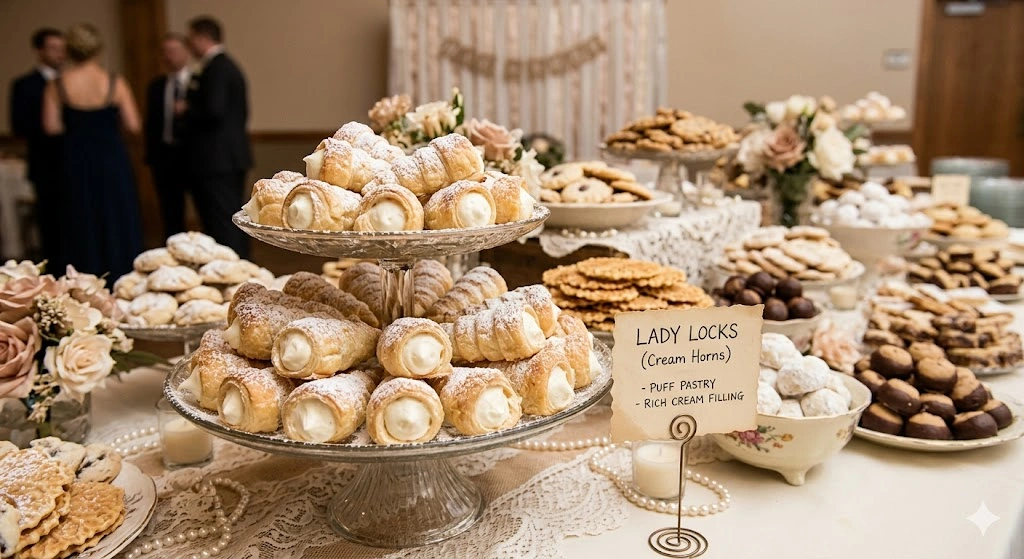
The lady locks recipe is a traditional pastry made from a thin, rolled dough wrapped around a cylindrical mold, baked until crisp, and then filled with a sweet, creamy filling, usually a vanilla buttercream or marshmallow based cream. In different places, you might hear them called cream horns or clothespin cookies, but in Pittsburgh, they’re simply “Lady Locks,” a centerpiece of the famous cookie table tradition at weddings. Their popularity comes from both beauty and nostalgia. They look elegant on a dessert table, but they also carry history brought to Western
Pennsylvania by Eastern European immigrants who carried similar recipes like rurki z kremem and other filled pastries. Today, they’re a must have for Pittsburgh Cookies For A Wedding, often made in massive batches alongside other classics like sugar cookies, biscotti, and nut filled pastries. People still make them today because they feel special. They’re not a quick cookie; they’re an event, a project, and a tradition rolled into one flaky, creamy bite.
Discover how to make a simple sugar wax recipe at home for smooth skin using just natural pantry ingredients in minutes.
which dough should you use for lady locks recipe? homemade vs puff pastry explained
Before you commit to making these, it’s worth understanding your dough options because they completely change the final result. Homemade dough gives you that classic bakery-style structure with slightly chewy layers, controlled flake, and a sturdy shell that holds the filling well for days. Puff pastry, on the other hand, is faster and easier, but it can be more delicate and may soften sooner once filled. If you’re looking for a lady lock filling recipe easy enough for beginners, pairing it with the right dough is just as important as choosing the filling itself.
| Feature | Homemade Dough | Puff Pastry |
| Time | Longer (chill + roll) | Quick |
| Skill Level | Intermediate | Beginner friendly |
| Texture | Structured flaky shell | Very airy, fragile |
| Holds filling | Excellent for events | Best same day |
| Cost | Lower overall | Slightly higher |
| Best For | Weddings, cookie tables | Quick desserts |
If you’re making Pittsburgh cookies for a wedding or large event, homemade dough is the better choice. If you just want a small batch for fun, puff pastry absolutely works.
recipe overview: what to expect from this lady locks recipe
These lady locks are light, crisp, and buttery with a sweet vanilla filling that tastes like a cross between marshmallow fluff and buttercream frosting. If you’re searching for the perfect lady lock filling recipe, you’ll love how the creamy filling complements the delicate pastry without making it overly sweet. That balance allows the rich vanilla flavor to shine while keeping every bite light and satisfying. They’re best served chilled or at room temperature on dessert trays where they truly stand out.
| Detail | Information |
| Prep Time | 45 minutes |
| Cook Time | 12–15 minutes |
| Chill Time | 8 hours (overnight preferred) |
| Total Time | ~9 hours |
| Servings | 24–36 cookies |
| Difficulty | Moderate |
| Cuisine | American / Eastern European inspired |
is it worth making lady locks recipe at home? (let’s talk cost per cookie)
Here’s the honest truth: lady locks are labor heavy, but they’re still cheaper than bakery versions when made in batches. A homemade batch typically costs less than store bought bakery cookies, especially for weddings where prices can climb quickly.
| Option | Estimated Cost Per Batch | Yield | Cost Per Cookie |
| Homemade dough | $8–$12 | 36–60 cookies | ~$0.20–$0.30 |
| Puff pastry shortcut | $12–$18 | 30–50 cookies | ~$0.35–$0.50 |
| Bakery purchased | — | — | $1.50–$3.00 each |
One time equipment (molds or clothespins) may add $10–$25, but they last for years. For weddings, baking at home can save hundreds of dollars especially for large cookie table desserts.
Equipment You Need and Which Lady Lock recipe Molds Actually Work Best
Choosing the right mold is half the battle. Your equipment determines shape, ease of removal, and even baking success.
| Tool | Cost | Shape Result | Ease of Release | Reusable | Notes |
| Round wooden clothespins (DIY foil wrap) | $1–$5 | Classic tube | Medium | Yes | Budget friendly |
| Square clothespins | $2–$6 | Slightly angular | Easy | Yes | Surprisingly effective |
| Metal cream horn molds | $10–$20 | Perfect cone | Very easy | Yes | Best for beginners |
| Cannoli tubes | $12–$25 | Straight cylinder | Easy | Yes | Multi use for desserts |
| Wooden dowels | $5–$10 | Thick tube | Harder | Yes | Needs greasing well |
If you’re serious about baking wedding cookies, metal molds are worth the investment. If you’re experimenting, DIY clothespins work just fine.
Ingredients and Why Each One Matters in Lady Locks Dough and Filling
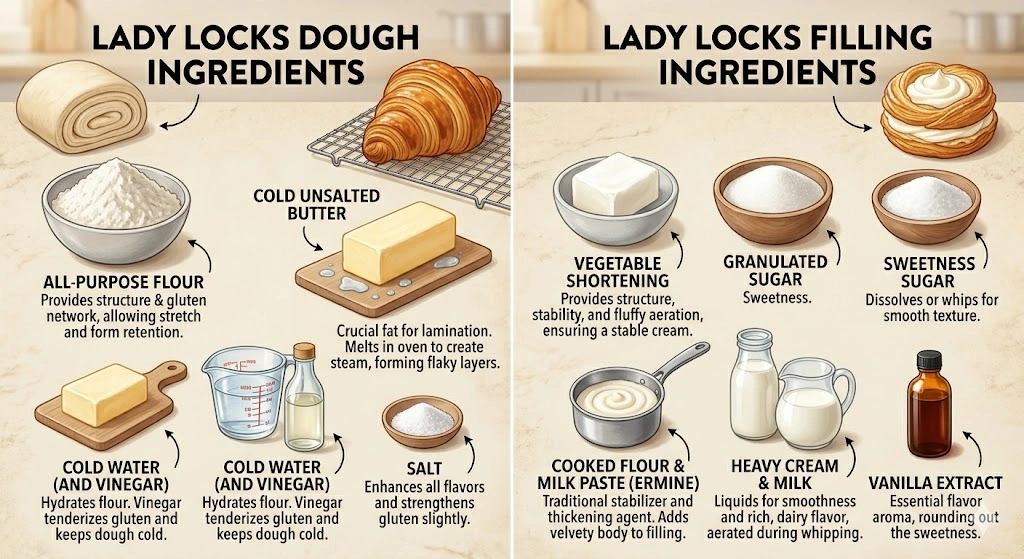
The dough is intentionally simple because the magic comes from texture, not sweetness.
For the dough:
- All purpose flour gives structure and crispness.
- Butter adds flavor and tenderness.
- Shortening (or Crisco) creates stability and flakiness.
- Cold water binds everything without overworking the dough.
- Salt balances richness.
For the filling:
- Powdered sugar creates smooth sweetness.
- Butter gives body and richness.
- Vanilla extract provides classic flavor.
- Milk or cream adjusts texture.
- Marshmallow cream (optional) adds fluffiness.
The Shortening Secret (Important!)
Many versions of a lady locks recipe traditionally use shortening because it remains stable at room temperature and creates a light, smooth filling. Modern shortening, however, can sometimes have a waxy or artificial taste due to changes in processing. If you’ve ever noticed a “funny taste” in the filling, it’s usually the ingredient rather than the recipe itself.
Fix it like a pro:
- Use high ratio shortening (bakery supply stores)
- Or replace half with butter
- Or add marshmallow cream to soften flavor
Ingredient Substitutions That Actually Work (Without Ruining Texture)
| Ingredient | Substitute | Result |
| Butter | Plant based butter | Slightly softer shell |
| Shortening | All butter | Richer flavor, less stable |
| Milk | Almond or oat milk | Slightly lighter filling |
| Vanilla | Almond extract | Stronger aroma |
| All purpose flour | Gluten free blend | More fragile shell |
How to Make Lady Locks recipe Step by Step the Right Way
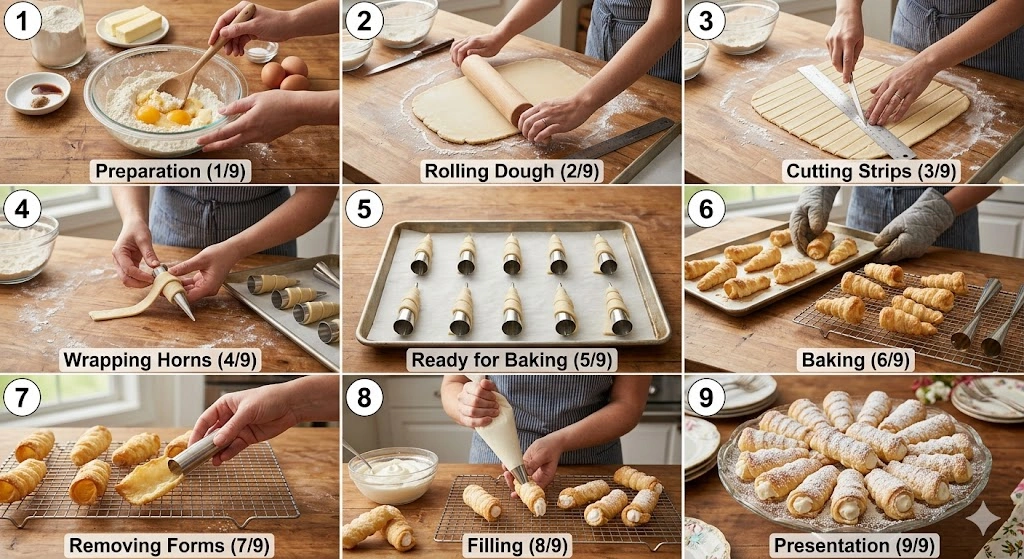
The key to success is thin dough and proper cooling timing. Too thick, and they puff open. Too cold, and they crack.
- Mix dough until just combined, then chill overnight for structure.
- Roll very thin about 1/8 inch or less.
- Cut into strips and wrap around lightly greased molds, slightly overlapping edges.
- Bake at 375°F until just lightly golden (not browned).
- Remove molds while warm and cool completely before filling.
- Pipe filling into each shell using a pastry bag.
- Dust with powdered sugar before serving.
Pro tip for best results with lady locks that most bakers overlook
One of the biggest upgrades you can make with this lady locks recipe has nothing to do with the ingredients—it’s all about timing the mold release. The secret to perfectly shaped lady locks pastry is removing the shells while they’re still slightly warm instead of waiting until they’ve cooled completely. Most people leave them on the molds too long, which is when cracks are most likely to happen. Sliding the shells off about 2–3 minutes after they come out of the oven allows the pastry to hold its shape while remaining flexible enough to release cleanly without breaking.
This small timing trick makes a huge difference in texture too. You get crisp, flaky shells instead of dry, brittle ones that crumble when you try to fill them later. It’s the kind of detail that separates bakery quality Pittsburgh cookies from frustrating first attempts at home.
Common mistakes that ruin lady locks and how to fix them before it’s too late
Lady locks look simple, but a few small mistakes can completely change the outcome. If you’re making a lady lock recipe for the first time, these are the issues you’re most likely to encounter—and I’ve made every one of them myself at least once. One of the most common problems is soggy or slimy dough after baking. This usually happens when the butter-to-shortening ratio is too high or the dough wasn’t chilled long enough. The fix is simple but important: let the dough rest overnight so the flour fully hydrates, then adjust the fat balance so the pastry holds its structure while baking. Another common issue is shells opening or unrolling in the oven, which almost always comes from rolling the dough too thick or not overlapping the edges enough when wrapping the molds.
A slightly thinner roll and a small overlap seal will keep everything tight as it bakes. Grainy filling is another frustration. This happens when powdered sugar isn’t fully incorporated. The key is longer mixing than you think at least 10–15 minutes at medium high speed. It should look light, fluffy, and almost whipped. Finally, cracking shells during removal usually means they were left too long on the molds. Removing them while slightly warm prevents this completely.
variations and substitutions that make lady locks fit any occasion
One of the best things about lady locks cookies is how flexible they are once you understand the base recipe. The dough stays the same, but the filling and flavoring can completely change the personality of the dessert. For a classic version, vanilla buttercream remains the standard. It’s smooth, stable, and what most people expect at a Pittsburgh cookie table. But if you want
something more modern or seasonal, almond extract gives a bakery style flavor that feels slightly richer and more aromatic.Lemon filling is perfect for spring and bridal showers because it cuts through the sweetness and feels lighter on the palate. Chocolate ganache is another favorite, especially for winter holiday trays where richer desserts shine. Pumpkin spice filling works beautifully in fall, giving the cookies a cozy, seasonal twist.
For substitutions, you can replace butter with dairy free alternatives, though the texture will be slightly softer. All butter dough is also possible and often preferred by bakers who want a richer flavor, even if it sacrifices a bit of structure. These variations make lady locks not just a wedding cookie, but a year round dessert you can adapt for any event.
Lady Locks Troubleshooting Guide (Fix Baking Failures Like a Pro)
| Problem | Likely Cause | Fix |
| Slimy or soggy dough | Too much butter or underbaking | Adjust fat ratio, bake until dry and crisp |
| Shells open while baking | Dough too thick or loose wrap | Roll thinner, overlap edges slightly |
| Gummy texture | Underbaked or humid environment | Bake longer, cool on rack |
| Grainy filling | Sugar not fully beaten | Beat 10–15 minutes until fluffy |
| Shells crack on removal | Fully cooled on mold | Remove after 2–3 minutes warm |
| Dough cracks when rolling | Too cold | Let rest 10–15 minutes |
My Experience Making This Lady Locks Recipe at Home
The first time I made these, I rushed the chilling step and ended up with dough that wouldn’t hold its shape. It kept tearing as I wrapped it around the molds, and I almost gave up. The second batch was completely different—I let the dough rest overnight, rolled it thinner, and suddenly everything clicked. Removing the shells while they were still slightly warm was the biggest breakthrough. Waiting too long caused them to stick and crack. That small timing detail made the difference between frustration and bakery-level results. Once you’ve mastered the technique, it’s easy to experiment with variations like chocolate lady locks, which add a rich twist to the classic recipe without changing the baking method.
benefits of making lady locks recipe at home beyond just taste
Making lady locks recipe cookies at home isn’t just about saving money or recreating a bakery treat, it’s also about the experience and flexibility you get in return. One of the biggest benefits is control over ingredients. You can adjust sweetness, choose higher quality butter, and avoid artificial flavors found in some store-bought versions. This makes a noticeable difference in both flavor and texture.
Another advantage is customization. Homemade lady locks let you control everything from filling flavor to cookie size, which is especially helpful when planning large events like weddings or holiday cookie trays. They’re also incredibly freezer friendly when unfilled, which makes them ideal for long term planning. You can prepare shells weeks ahead and assemble them closer to the event, reducing stress during busy holiday or wedding prep.
- Better ingredient control
- Fully customizable flavors
- Ideal for freezing ahead of time
- Perfect for large gatherings like weddings and holidays
- Cost effective compared to bakery versions
These benefits are why lady locks continue to be a staple in holiday cookie recipes and cookie table traditions across generations.
supporting information and cultural background of lady locks
Lady locks aren’t just another pastry; they’re part of a much larger baking tradition that stretches across Europe and into American immigrant history. In Pittsburgh, they became deeply connected to the famous wedding cookie table, where families contribute homemade desserts instead of relying on a single cake. Historically, similar pastries exist in many cultures. In Poland, they resemble rurki z kremem. In Italy, you’ll find cannoncini. In Greece, there are cream filled
horn pastries as well. While each version has slight differences in dough richness or filling style, the concept is the same: a crisp pastry shell filled with a soft cream. When immigrants brought these recipes to Western Pennsylvania, they adapted them to available ingredients like shortening and American style flour, eventually creating what we now know as lady locks cookies.
| Country | Traditional Name | Key Difference |
| Poland | Rurki z kremem | Lighter pastry, whipped cream filling |
| Italy | Cannoncini | Puff pastry based, custard filling |
| Greece | Kornedákia | Slightly sweeter cream filling |
| USA (Pittsburgh) | Lady Locks | Shortening based dough, buttercream filling |
This cultural blend is what makes lady locks so special they’re not just cookies, they’re edible history passed through generations.
Flavor Variations That Make Lady Locks recipe Even More Fun
Once you master the classic version, you can customize endlessly:
- Almond cream filling for a nutty bakery flavor
- Lemon filling for spring cookie tables
- Chocolate ganache for richer dessert trays
- Strawberry cream for summer weddings
- Pumpkin spice filling for fall gatherings
- Peppermint vanilla for Christmas cookie trays
- Coconut cream for tropical inspired desserts
Make Ahead Wedding Cookie Timeline (So You Don’t Panic Later)
| Time Before Event | What To Do | Storage |
| 3 months | Bake shells | Freeze airtight |
| 1 week | Prepare filling | Refrigerate |
| 2 days | Fill cookies | Chill covered |
| Day of | Dust & serve | Room temperature |
Filled shells can be refrigerated for 2–3 days, but unfilled shells freeze beautifully for up to 3 months.
Why Lady Locks recipe Still Matter Today
Lady locks remain one of the most beloved Pittsburgh cookie table desserts because they represent effort, tradition, and celebration. They’re not just cookies, they’re part of weddings, holidays, and family memories passed down through generations.
FAQ About Lady Locks Recipe
Storage, Freezing, and Serving Tips
- Unfilled shells: freeze up to 3 months
- Filled cookies: refrigerate 2–3 days
- Best served: room temperature or slightly chilled
- Avoid: leaving filled cookies at warm room temperature too long
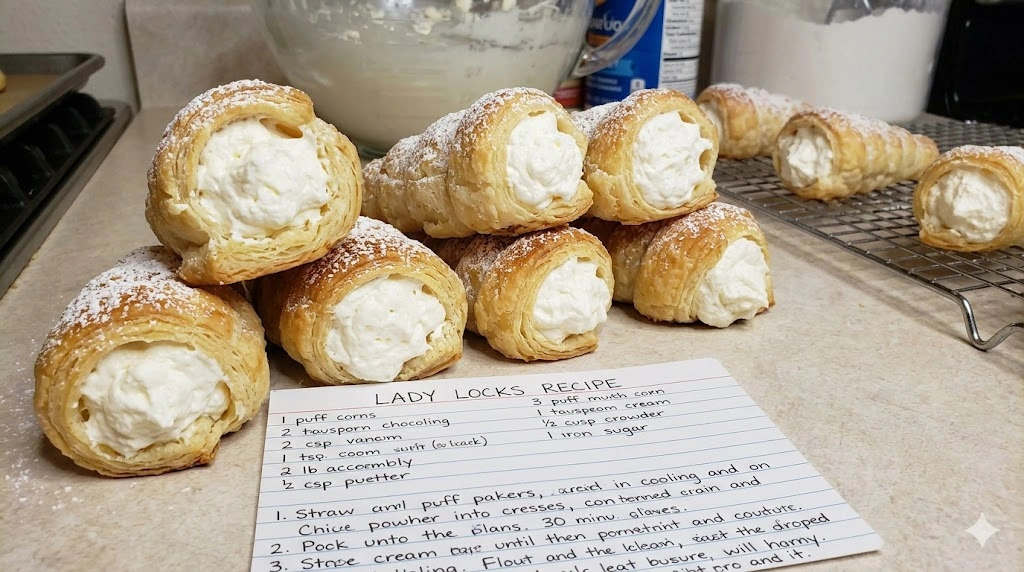

lady locks recipe
Ingredients
Equipment
Method
- In a bowl, mix flour and salt, then cut in cold butter and shortening until mixture looks crumbly like coarse sand. The texture should still have small butter pieces visible.
- Slowly add cold water and mix until dough just comes together. Do not overwork it or the pastry will become tough.
- Wrap dough and refrigerate for at least 2 hours or overnight until firm and easy to roll. It should feel chilled but pliable.
- Roll dough thin (about 1/8 inch) on a lightly floured surface, then cut into long strips for wrapping molds. The dough should feel smooth and elastic.
- Wrap strips around lightly greased cream horn molds, slightly overlapping edges so they seal during baking.
- Bake at 375°F (190°C) for 12–15 minutes or until lightly golden but not browned. The shells should feel crisp and dry.
- Remove from oven and let cool for 2–3 minutes, then gently slide shells off molds while still warm to prevent cracking.
- For filling, beat butter, shortening, powdered sugar, vanilla, and milk until light, fluffy, and smooth (about 10–15 minutes).
- Transfer filling to a piping bag and fill cooled pastry shells from both ends until full and creamy.
- Dust with powdered sugar before serving for a classic bakery-style finish.
Notes
Final Thoughts lady locks recipe
If you’ve never made lady locks before, don’t be intimidated; they just require patience more than skill. Once you understand the dough, timing, and filling texture, they become one of the most rewarding pastries you can bring to a table. Whether you’re building a full cookie table tradition spread or just baking a nostalgic treat for the holidays, this lady locks recipe is one worth keeping in your rotation. Save it, try it, and don’t be surprised when everyone asks you to make them again.
Explore more elegant dessert recipes on Cookiva Recipe to complete your sweet table with classics like lady locks.