Cabbage Bread Recipe: Soft Homemade Loaf in 60 Minutes

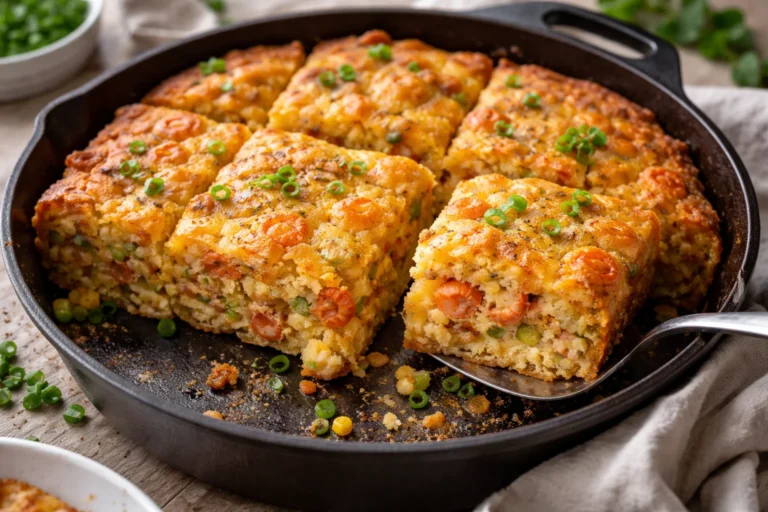
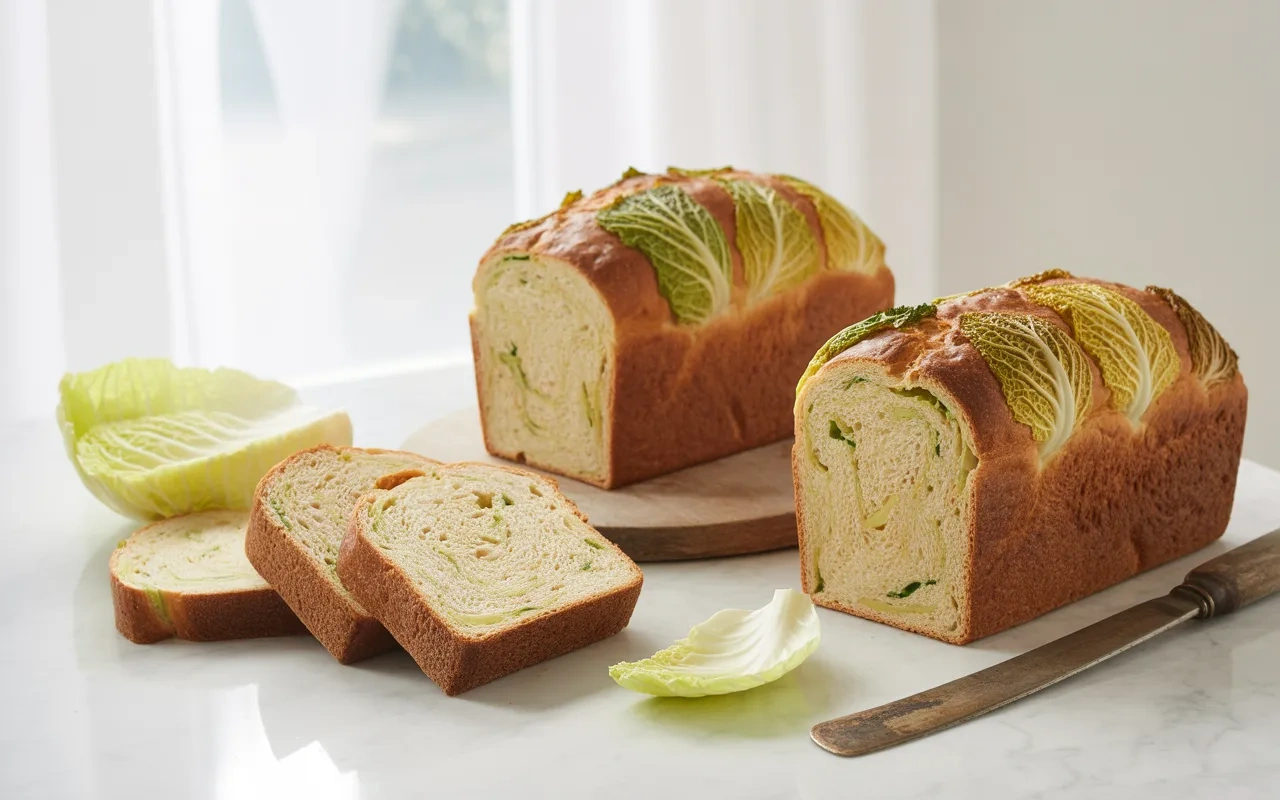
If you’ve ever stared at a head of cabbage sitting in your fridge wondering what on earth to do with it, you’re definitely not alone. I first tried making a cabbage bread recipe out of curiosity, not expectation and I’ll be honest, I didn’t think it would turn into something I’d actually crave. But the first time I pulled a golden, slightly crisp cabbage bread out of the pan, I was surprised by how satisfying it was. It’s not “bread” in the traditional fluffy yeast loaf sense, but it is warm,
savory, and surprisingly versatile. Think of it as a cross between a thin vegetable omelet and a soft savory flatbread. People love it because it’s quick, low carb, and works beautifully as a sandwich base or even a pizza crust. It’s also a clever way to use simple ingredients like shredded cabbage, eggs, and seasoning to create something that feels completely new. Before we get into the recipe, there’s something most people don’t realize: the type of cabbage you use can completely change your results.
Explore more comforting homemade dishes like this on Cookiva Recipe where you’ll find delicious recipes for every craving.
Which Cabbage Works Best for Cabbage Bread recipe? A Simple Comparison You Shouldn’t Skip
Not all cabbage behaves the same way in cooking, and this is where many first time failures happen. Some varieties release too much water, while others stay too firm and don’t bind well with the egg mixture.
| Variety | Water Content | Flavor | Shredding Ease | Result Quality | Notes |
| Green Cabbage | Medium | Mild, slightly sweet | Easy | Best overall structure | Most reliable for beginners |
| Napa Cabbage | High | Light, delicate | Very easy | Softer, more delicate bread | Must squeeze excess moisture well |
| Savoy Cabbage | Medium | Buttery, mild | Easy | Excellent texture | Great for fluffy results |
| Red Cabbage | Low Medium | Earthy, slightly strong | Moderate | Firmer, less soft | Best for structure, not softness |
If you’re shopping, green cabbage is the safest starting point. Napa cabbage can work beautifully, but you’ll need to press out more liquid because it naturally holds more water.
What Is Cabbage Bread recipe and Why It’s Suddenly So Popular?
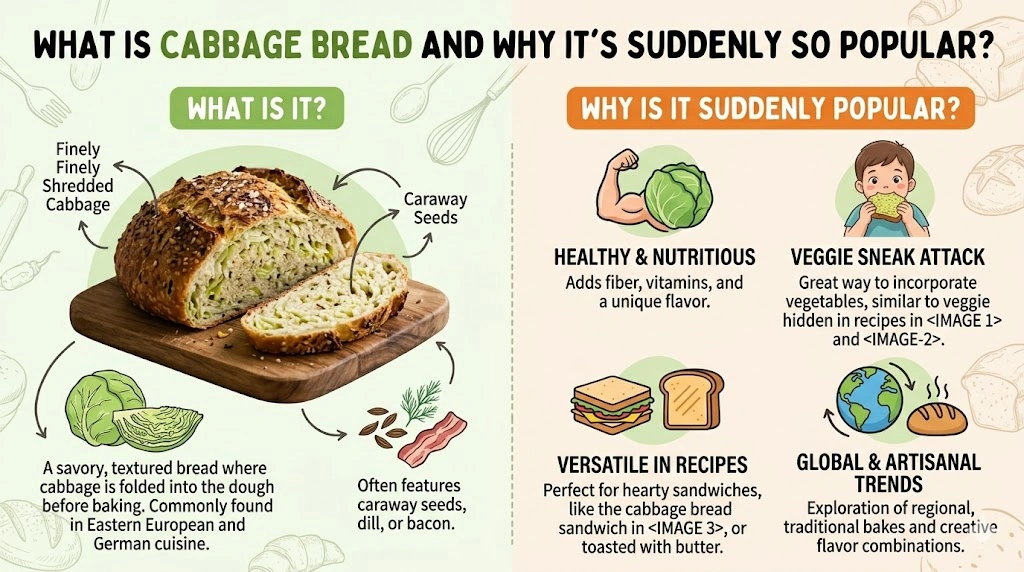
At its core, cabbage bread is a simple mixture of shredded cabbage, eggs, and seasoning that’s cooked into a flat, sliceable base. Some versions are baked, others pan fried, and newer viral versions are even made in the air fryer. What makes it so popular today is its flexibility. It fits into low carb lifestyles, gluten free eating, and budget friendly cooking. It can be used as sandwich bread, pizza base, or even a side dish alongside roasted meats. It’s one of those recipes that feels modern, even though simple vegetable based breads have been around in many home cooking traditions for generations.
Discover how to perfect a creamy pomme puree recipe that turns simple potatoes into a smooth, buttery side dish everyone loves.
Cost Breakdown: Why Cabbage Bread recipe Is One of the Cheapest Homemade Breads
One of the most underrated benefits of this recipe is cost. A whole head of cabbage often costs about $2 or less and can make multiple servings.
A simple breakdown looks like this:
- Cabbage bread (per serving): ~$0.15–0.25
- Store bought low carb bread (per slice): ~$0.75–$1.50
- Weekly savings (2 servings/day): ~$10–20
If you’re trying to cook more affordably, this recipe is a quiet winner. It feels like a “creative” dish, but it’s actually one of the most budget efficient things you can make.
Recipe Overview: What to Expect From the Taste and Texture
This cabbage bread is savory, lightly eggy, and mildly sweet depending on how you season it. The texture is soft in the center with slightly crisp edges if pan fried or baked properly. It works best for quick meals, low carb lunches, or as a base for sandwiches and toppings.
| Detail | Information |
| Prep Time | 10–15 minutes |
| Cook Time | 10–25 minutes |
| Total Time | 25–40 minutes |
| Servings | 1–2 |
| Difficulty | Easy |
| Cuisine | Modern Healthy / Fusion |
| Calories | ~100–180 per serving |
Ingredients and Why Each One Matters in Cabbage Bread
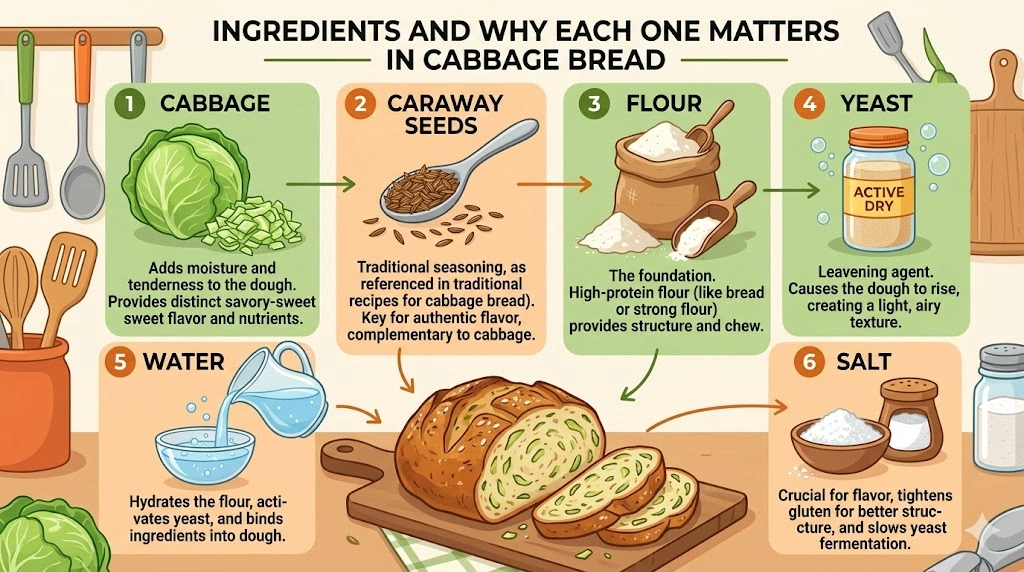
The beauty of this recipe is how simple the ingredients are, but each one plays an important role in structure and flavor. You’ll need shredded cabbage as the base, eggs to bind everything together, and basic seasonings like salt, pepper, and cumin or dill for flavor. Some versions include flour or cheese for extra structure and richness.
- Cabbage (green, Napa, or Savoy) the main structure and volume
- Eggs the binding agent that holds everything together
- Salt and black pepper essential seasoning base
- Cumin or dill weed adds depth and aroma
- Optional cheese improves flavor and firmness
- Optional flour helps stabilize if mixture feels too wet
How to Make Cabbage Bread recipe the Right Way for Best Texture
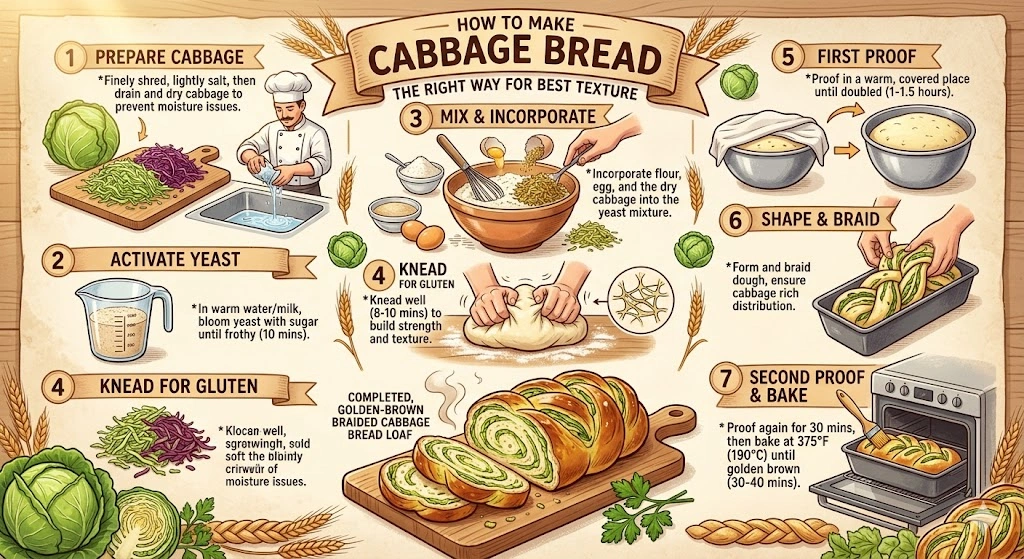
The cooking method is simple, but technique matters more than ingredients here. You’re essentially binding a high moisture vegetable into a stable, sliceable base.
- Finely shred cabbage using a knife, mandoline, or food processor.
- Press out moisture thoroughly until it feels just slightly damp.
- Whisk eggs until slightly frothy, then mix with cabbage and seasoning.
- Spread mixture onto a parchment lined baking sheet or pan.
- Cook at 350–400°F until the edges are golden and the center is set.
- Let it cool slightly before slicing to allow structure to firm up.
The Pressing Step (Don’t Skip This) Why Moisture Control Changes Everything
This is the step that determines whether your cabbage bread holds together or falls apart. Cabbage is about 90% water. If you skip squeezing out the liquid, the egg can’t properly bind with the vegetable fibers. Instead of setting into a cohesive bread, the mixture releases steam
while cooking and becomes soft, watery, and unstable. Properly pressed cabbage should feel like a lightly damp sponge not dripping wet. In most cases, you should be able to extract at least 2–3 tablespoons of liquid from a small handful.
Pro Tip for Best Results With Cabbage Bread recipe Texture
If you want cleaner slices and a more “bread like” structure, let your cooked cabbage mixture rest for 5–10 minutes before cutting. This resting time allows the eggs to fully set and the internal steam to settle. It’s a small step, but it makes the difference between something fragile and something you can actually use for sandwiches.
Learn how to make the comforting Grandma Browns Baked Beans Recipe with rich slow-baked flavor just like the classic family favorite.
Common Mistakes That Ruin Cabbage Bread (and How to Fix Them)
Many first attempts fail for predictable reasons, and once you understand them, the recipe becomes much more reliable.
- Too wet mixture always press cabbage thoroughly before mixing
- Bread falling apart add one extra egg or reduce cabbage moisture
- Rubber like texture avoid overcooking; stick to medium heat
- Eggy taste balance ratio: about 60–70g cabbage per egg works best
- No browning preheat pan or oven fully before cooking
Variations and Easy Substitutions You Can Try
One of the best things about cabbage bread is how flexible it is. You can adjust it based on what you have in your kitchen.
- Add cheddar cheese for a richer, savory version
- Use dill or herbes de Provence for a more aromatic flavor
- Add green onions or chopped herbs for freshness
- Turn it into cabbage bread pizza with toppings
- Use it as cabbage bread tomato avocado sandwich base
For egg free versions, aquafaba or flax egg can help bind the mixture, though the texture will be slightly softer.
My Personal Experience Making This Cabbage Bread Recipe
The first time I made this, I didn’t press the cabbage enough and the result was honestly a bit soggy and fragile. It still tasted good, but it fell apart the moment I tried to flip it. The second time, I squeezed the cabbage properly and let it sit for a few minutes after cooking. That small change completely transformed the texture. It suddenly felt like something I could actually use as sandwich bread, not just a vegetable patty.
Benefits of Making Cabbage Bread recipe at Home
This recipe is often chosen for convenience and flexibility rather than strict diet rules, but it does have practical everyday advantages. It’s quick to prepare, uses affordable ingredients, and can replace traditional bread in many meals. It’s also a helpful way to increase vegetable intake without feeling like you’re eating “just vegetables.”
- Simple and fast to prepare
- Budget friendly compared to store bought bread
- Works as sandwich or pizza base
- Easy to adapt with different flavors
Explore more easy and healthy side dishes to serve alongside this cabbage bread recipe for balanced meals.
Supporting Information You Actually Need Before Making Cabbage Bread recipe (What Most Recipes Don’t Tell You)
Cabbage bread recipe looks simple on the surface, but a lot of success comes from small background details that most recipes skip. One of the biggest factors is cabbage freshness and variety. A tightly packed, heavy head of green cabbage will give you the most consistent results because it has balanced moisture and structure. Napa cabbage works too, but it releases more water and needs extra pressing. Savoy cabbage is naturally softer, which makes it easier to mix but slightly more delicate after cooking.
Another overlooked detail is seasonality. Cabbage is one of the most affordable vegetables year round, but it’s usually at its best in cooler months when it’s naturally sweeter and less watery. In warmer seasons, heads can be looser and more moisture heavy, which directly affects how firm your cabbage bread turns out. For convenience, many people ask if bagged coleslaw mix works. It does, but it often contains excess moisture and sometimes even preservatives that change texture slightly. If you use it, always drain it thoroughly before mixing.
Quick Buying Guide for Better Results
- Choose cabbage that feels heavy for its size (this means better structure)
- Avoid outer leaves that are wilted or browning
- Green cabbage is the most reliable all purpose option
- Napa cabbage works best when moisture is aggressively squeezed out
- Pre shredded cabbage is fine but must be dried before use
Cooking Method Comparison: Oven vs Stovetop vs Air Fryer
Not all cabbage bread methods behave the same way, and choosing the right one depends on what texture you want. The oven method gives you the most stable and “bread like” structure. It cooks evenly, holds shape well, and is best for sandwich style cabbage bread. The stovetop method is faster but more delicate. It produces a thinner, softer result similar to a vegetable
pancake or fritter. It’s great for quick meals but harder to flip if the mixture is too wet. The air fryer method creates the crispest edges with minimal oil. It’s ideal if you want a slightly crunchy exterior, especially for pizza style cabbage bread toppings.
Method Comparison Overview
| Method | Texture Result | Time | Best For | Difficulty |
| Oven | Firm, bread like | 20–40 min | Sandwich base | Easy |
| Stovetop | Soft, flexible | 6–10 min | Quick meals | Medium |
| Air Fryer | Crispy edges | 10–18 min | Pizza base | Easy |
Full Nutrition Breakdown (Why It’s Not Just “Low Carb”)
Most people assume cabbage bread is just “low carb,” but the actual macro profile depends heavily on how many eggs and optional ingredients you use.
A basic version made with cabbage and eggs is naturally:
- Low in carbohydrates
- Moderate in protein
- Moderate in fat (from eggs)
- High in fiber compared to traditional bread
Cabbage itself contributes very few calories, while eggs provide most of the structure and nutrition. This is why adjusting egg ratio directly changes both texture and macro balance.
Approximate Nutrition (Basic Version Per Serving)
- Calories: 100–180
- Carbs: 4–6g
- Protein: 6–10g
- Fat: 5–10g
- Fiber: 2–4g
Why Moisture Control Still Matters More Than Anything Else
Even after ingredients and methods are correct, moisture remains the most important factor. Since cabbage is naturally high in water, failing to remove enough liquid will cause steaming instead of baking. That’s why properly pressed cabbage should feel slightly springy, not wet or dripping. This single step is what separates a bread-like result from a soggy vegetable scramble.
Egg Free & Vegan Substitutions (What Actually Works)
If you’re avoiding eggs, you still have workable options, but the structure changes slightly. Aquafaba (chickpea liquid) is the closest substitute because it can create binding without adding flavor. Flax egg also works, but it produces a denser, more rustic texture. Both options require slightly longer cooking time to fully set.
Egg Substitution Guide
| Substitute | Amount | Texture Result | Best Use |
| Aquafaba | 3 tbsp per egg | Light, slightly soft | Sandwich base |
| Flax egg | 1 tbsp flax + 3 tbsp water | Dense, firm | Fritters or pan version |
Honest Expectations: What Cabbage Bread Actually Tastes Like
One thing many viral recipes avoid saying is that cabbage bread does not taste like traditional bread. It has a mild vegetable flavor with a subtle egg base. The texture is closer to a soft flatbread or savory omelet than a bakery style loaf. Once you accept that, it becomes much easier to enjoy it for what it is: a flexible, low carb base rather than a direct bread replacement.
Storage, Freezing, and Reheating Cabbage Bread the Right Way
Proper storage helps maintain texture and prevents sogginess.
- Refrigerator: 3 days in an airtight container
- Freezer: up to 2 months (freeze flat first, then store in bags)
For reheating, the best results come from:
- Skillet reheating (best texture)
- Air fryer (crispy edges)
- Oven/toaster oven (even warming)
- Microwave (least recommended, can turn rubbery)
Frequently Asked Questions About Cabbage Bread recipe
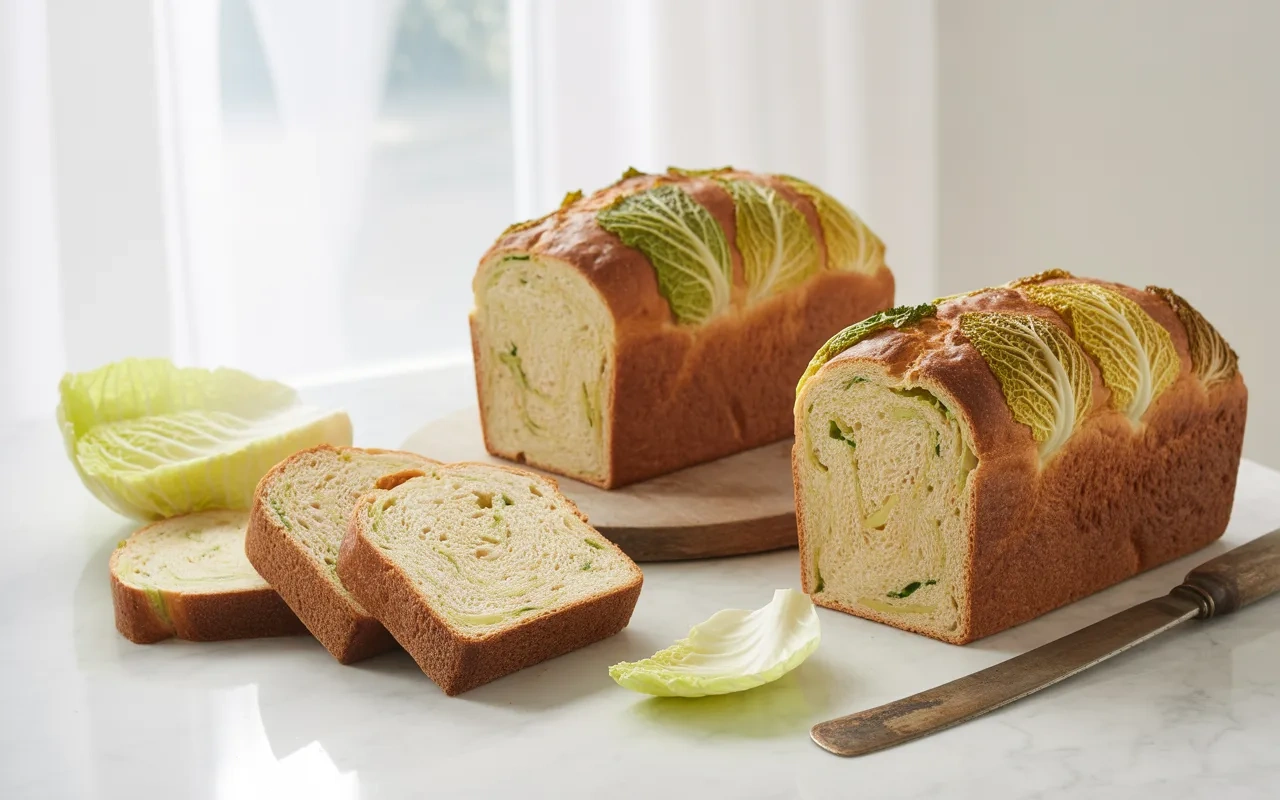

cabbage bread recipe
Ingredients
Equipment
Method
- Finely shred the cabbage using a knife or mandoline until it looks light and evenly cut. The pieces should be small enough to bind easily.
- Finely shred the cabbage using a knife or mandoline until it looks light and evenly cut. The pieces should be small enough to bind easily.
- In a separate bowl, whisk eggs until slightly frothy and well combined for better binding.
- Add cabbage, salt, pepper, and optional spices into the egg mixture and mix until evenly coated. The mixture should hold together when pressed.
- Heat a skillet or preheat oven to 375°F (190°C), then lightly grease the surface to prevent sticking.
- Spread the mixture evenly into a thin layer, pressing it down gently for even cooking and structure.
- Cook for 3–5 minutes per side on the stove or 18–22 minutes in the oven until edges turn golden brown.
- Flip carefully (if pan-cooking) and continue cooking until firm in the center and lightly crisp on the outside.
- Remove from heat and let it rest for 5 minutes so it firms up before slicing or using as bread.
Notes
Final Thoughts on This Easy Cabbage Bread Recipe
This cabbage bread recipe is one of those simple kitchen ideas that surprises you with how useful it becomes. It’s quick, flexible, and easy to customize depending on your taste or dietary needs. Whether you use it for sandwiches, pizza bases, or a light side dish, it’s a great way to turn basic ingredients into something satisfying. If you try it once, chances are you’ll start experimenting with your own versions. Save this recipe, try it fresh, and don’t be afraid to make it your own in the kitchen.
Try this Boston Market Cornbread Recipe for a sweet, buttery, bakery-style cornbread that pairs perfectly with any comforting homemade meal.