Jammy Egg Recipe: Perfect 7-Minute Eggs Every Time

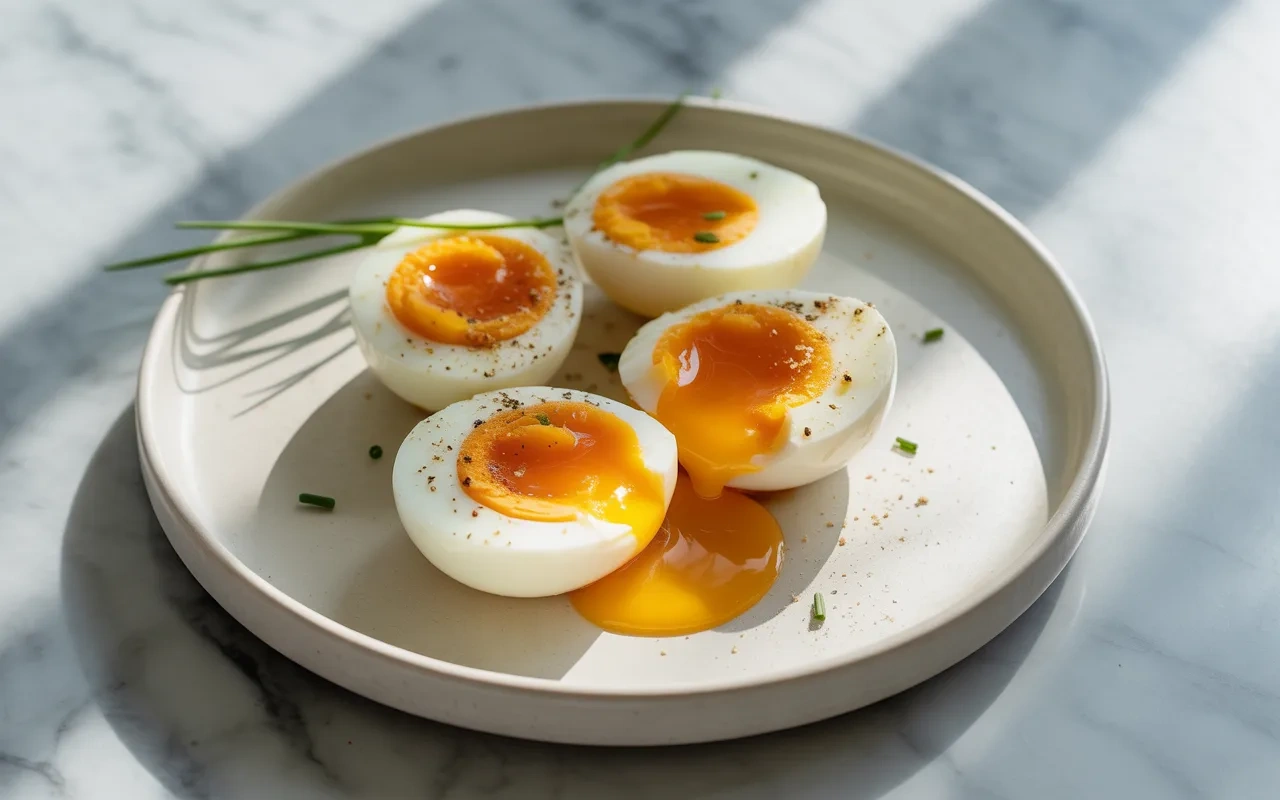
There’s something quietly satisfying about cutting into a perfectly cooked egg and watching that golden yolk slowly ooze out onto toast or into a bowl of ramen. A good jammy egg recipe isn’t complicated, but it does feel a little magical when you get it right. The whites are fully set and tender, while the yolk sits right in that sweet spot between runny and firm thick, glossy, and almost custard-like. I still remember the first time I nailed it at home. I was rushing breakfast, dropped a few eggs into boiling water, and somehow landed on that perfect texture without
meaning to. Since then, I’ve refined the timing, temperature, and even egg selection so I can recreate it on purpose every time. These jammy eggs are now a weekly staple in my kitchen served over avocado toast, tucked into ramen bowls, or sliced onto salads when I want something simple but satisfying. In this guide, I’ll walk you through everything I’ve learned from the science of why jammy eggs work to real troubleshooting fixes so you can make them perfectly, no guessing required.
Looking for more simple kitchen wins like this jammy egg recipe? Explore more delicious recipes on Cookiva Recipe and find your next favorite.
What Is Jammy Egg Recipe and Why It’s Popular
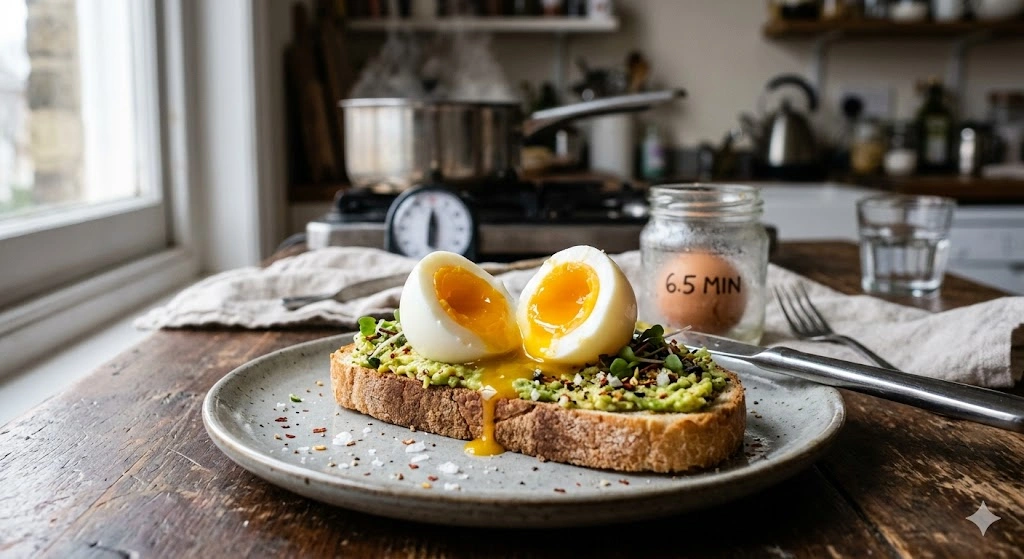
A jammy egg recipe is essentially a method for making soft boiled eggs where the whites are fully set but the yolk remains thick, creamy, and slightly molten. Unlike hard boiled eggs, there’s no chalky dryness here. Instead, you get a rich, almost spreadable center that feels indulgent but still simple and wholesome. Jammy eggs have become popular because they’re incredibly versatile. You’ll find them topping ramen bowls, resting on grain salads, or sliced onto buttered
toast. They also fit into many eating styles like Vegetarian, Low Carb, and Keto, making them a quiet “upgrade ingredient” for everyday meals. What makes them especially loved today is the balance they feel gourmet, but they take less than 10 minutes to cook. That combination of ease and elegance is why they’ve gone from restaurant garnish to home kitchen staple.
This brunch recipe is perfect when you want something easy yet impressive, bringing together simple ingredients with surprisingly rich flavor.
Why Jammy Eggs recipe Work: The Science Behind the Perfect Yolk
The secret behind a jammy yolk comes down to protein chemistry. Egg whites and yolks don’t set at the same temperature, which is exactly what makes this recipe possible. Egg whites begin to coagulate between 144°F–149°F (62–65°C), while yolks don’t fully set until about 149°F–158°F (65–70°C). This small temperature gap allows the white to firm up while the yolk stays soft and creamy.
| Part of Egg | Coagulation Temperature | Texture Result |
| Egg White | 144°F–149°F (62–65°C) | Firm, opaque, tender |
| Egg Yolk | 149°F–158°F (65–70°C) | Creamy, glossy, jammy |
This difference is why timing matters so much. Even an extra 30–60 seconds can push the yolk from jammy to fully set.
Recipe Overview: What to Expect from These Jammy Egg recipe
These eggs are rich but not heavy, with a silky yolk that feels almost buttery. The whites are soft but fully cooked, making them perfect for slicing or halving. They work best when you want something quick but elevated breakfast bowls, ramen, salads, or even a snack with flaky salt and olive oil.
| Detail | Information |
| Prep Time | 2 minutes |
| Cook Time | 6–8 minutes |
| Total Time | 11–15 minutes |
| Servings | 2–4 eggs |
| Difficulty | Easy |
| Cuisine | American / Asian inspired |
| Calories | ~63 kcal per egg |
Ingredients and Why Each One Matters
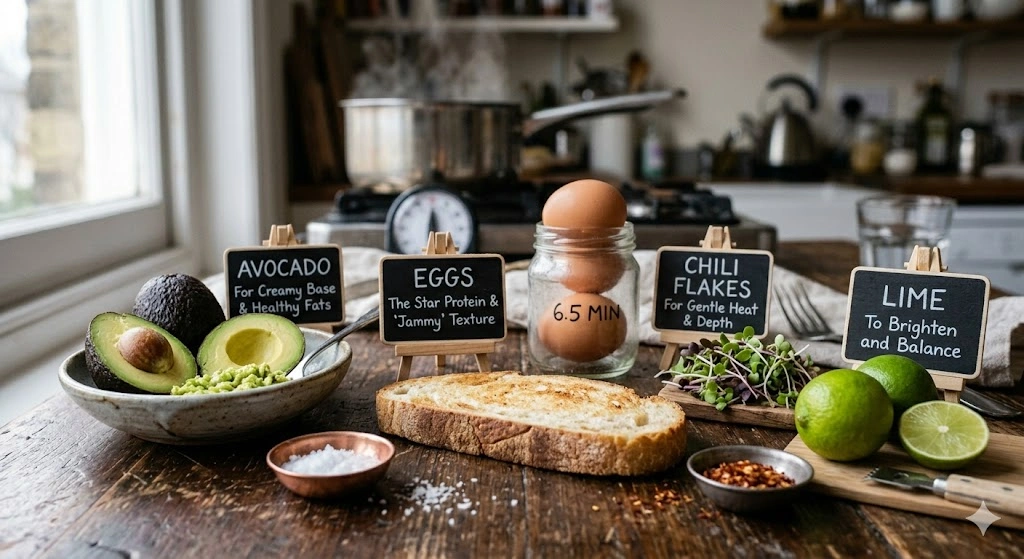
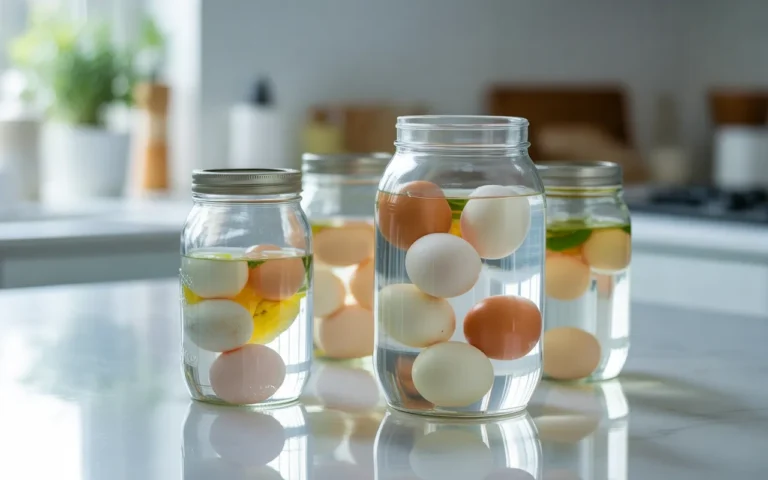
At its core, this jammy egg recipe only needs eggs and water, but small details matter more than you’d think.
- Large eggs (fresh or slightly aged) size affects timing and texture
- Water enough to fully submerge eggs by about 1 inch
- Ice (for ice bath) stops cooking instantly for perfect yolk control
Older eggs tend to peel more easily because the membrane loosens slightly over time. Fresh farm eggs can still work beautifully, but they may need an extra day or two in the fridge for easier peeling.
A low hydration sourdough recipe is perfect if you want a dough that’s easier to handle while still delivering great structure, flavor, and a beautifully chewy crumb.
How to Make Jammy Egg recipe the Right Way
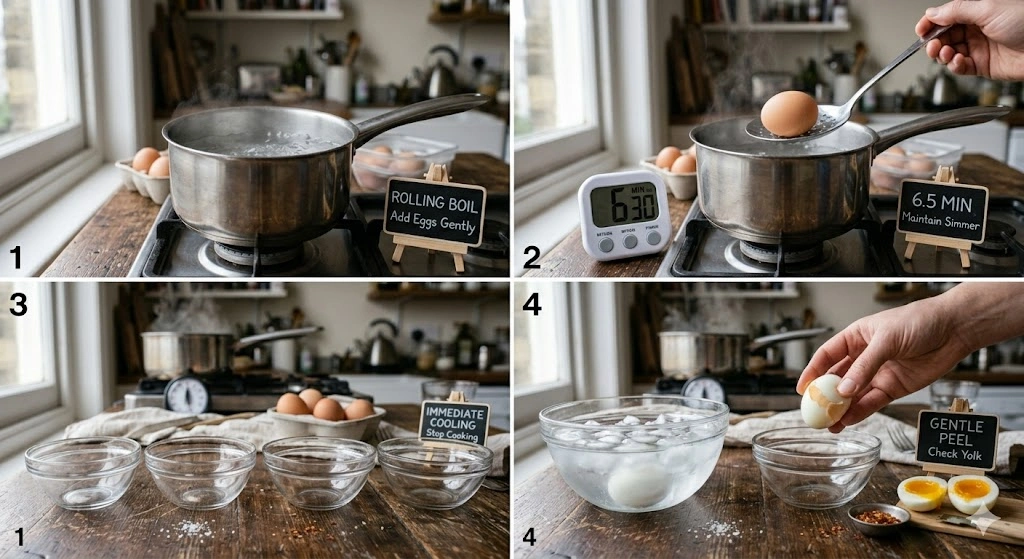
The method is simple, but timing and handling are everything.
- Bring a medium saucepan of water to a steady rolling boil.
- Gently lower eggs using a spoon or spider strainer.
- Set the timer immediately for 6 1⁄2 to 7 1⁄2 minutes depending on yolk preference.
- While eggs cook, prepare an ice water bath.
- Transfer eggs immediately into an ice bath for 5–10 minutes.
- Peel carefully and slice open to reveal the jammy center.
You’ll notice the whites tighten slightly after chilling, making them easier to handle and slice cleanly.
Pro Tip for the Best Jammy Egg recipe Texture (Don’t Skip This Small Detail)
One thing I learned after making jammy eggs dozens of times is that the starting temperature of your eggs quietly controls everything. If you drop cold eggs straight from the fridge into boiling water, the outer white tightens too quickly while the inside lags behind, which can throw off that perfect jammy window. I now let my eggs sit out for about 10–15 minutes while the water comes
to a boil. It doesn’t sound like much, but it helps the heat distribute more evenly from shell to center. The result is a smoother set white and a yolk that stays consistently creamy instead of slightly uneven. If you only remember one thing from this recipe, let it be this: gentle temperature transitions give you better yolk control than strict timing alone.
This jammy egg recipe is aperfect breakfast idea, and you can explore more easy breakfast recipes for quick morning meals.
High Altitude Adjustment: Why Your Timing Might Be Wrong
If you live at higher elevation, your boiling point is lower, which directly affects egg cooking. At around 5,000 feet, water boils closer to 202°F instead of 212°F, meaning eggs cook more slowly.
| Elevation (ft) | Adjustment to Cook Time |
| Sea level | 6½–7½ minutes |
| 1,000–2,000 ft | +1 minute |
| 3,000–4,000 ft | +1.5–2 minutes |
| 5,000–6,000 ft | +2–3 minutes |
| 7,000+ ft | +3–4 minutes |
At higher elevations, patience matters more than precision, always lean slightly longer rather than shorter.
Ice Bath Debate: Should You Always Use One?
The ice bath is one of the most debated steps in egg cooking. Here’s the honest breakdown:
| With Ice Bath | Without Ice Bath |
| Stops cooking instantly | Eggs continue cooking slightly |
| Easier peeling for most eggs | Slightly warmer texture |
| Cleaner yolk control | Risk of overcooking yolk |
| Extra step and dish | Faster process |
Egg Size Matters: Why Timing Isn’t One Size Fits All
Egg weight influences cooking time more than most people realize. A 10g difference can shift yolk texture noticeably.
| Egg Size | Weight Range | Cook Time |
| Medium | 50–55g | 6 minutes |
| Large | 56–63g | 6½–7 minutes |
| Extra Large | 64–70g | 7–7½ minutes |
| Jumbo | 71g+ | 7½–8 minutes |
Troubleshooting Jammy Eggs recipe: What Went Wrong and How to Fix It
If your eggs didn’t turn out right, here’s what likely happened:
| Problem | Likely Cause | Fix |
| Yolk fully set | Overcooked | Reduce time by 30–60 sec |
| Whites rubbery | Boil too aggressive | Lower to steady boil |
| Shell sticking | Eggs too fresh | Use older eggs or ice bath |
| Cracked eggs | Dropped too fast | Lower gently with spoon |
| Uneven texture | Size variation | Adjust cook time per egg size |
Egg Freshness and Why It Changes Everything
Fresh eggs have tighter membranes, which makes peeling harder. Slightly older eggs (7–10 days) peel more easily because the internal pH increases, loosening the bond between shell and egg white. If you’re using very fresh farm eggs, letting them rest in the fridge for a few days before boiling can significantly improve peeling results.
Food Safety Note for Jammy Eggs recipe
Because jammy eggs are not fully hard cooked, the yolk may not reach the recommended 160°F internal temperature. For most healthy adults, they are commonly enjoyed without issue. However, children, pregnant women, older adults, and immunocompromised individuals should consider using pasteurized eggs or fully cooked yolks for safety.
Nutrition Highlights of Jammy Egg recipe
One jammy egg is naturally nutrient dense and balanced:
- ~63 kcal per egg
- 6g protein
- 5g fat (healthy unsaturated fats included)
- Rich in choline, vitamin A, and essential fatty acids
The jammy yolk retains heat sensitive nutrients while still being easy to digest and satisfying.
Other Cooking Methods Compared
| Method | Time | Equipment | Best For | Limitation |
| Stovetop boil | 6–8 min | Pot | Precision texture | Requires timing |
| Steaming | 10–11 min | Steamer basket | Easy peeling | Slightly firmer whites |
| Instant Pot | 5–6 min pressure | Pressure cooker | Batch cooking | Less texture control |
| Air fryer | 8–10 min | Air fryer | Convenience | Less consistent yolk |
My Experience Making This jammy egg recipe at Home
The biggest mistake I used to make was not timing the ice bath properly. I thought “close enough” was fine, but even a minute of delay kept cooking the yolk and pushed it past that jammy stage. What changed everything for me was treating the ice bath as part of the cooking process, not an optional step. Once I started doing that, my results became consistent every single time.
Common Mistakes That Ruin Jammy Egg recipe
- Overcooking by even 30 seconds
- Skipping the ice bath
- Using wildly different egg sizes in one batch
- Boiling too aggressively instead of gently
- Peeling too soon while eggs are still warm
Variations and Ways to Serve Jammy Eggs
Jammy eggs are incredibly flexible:
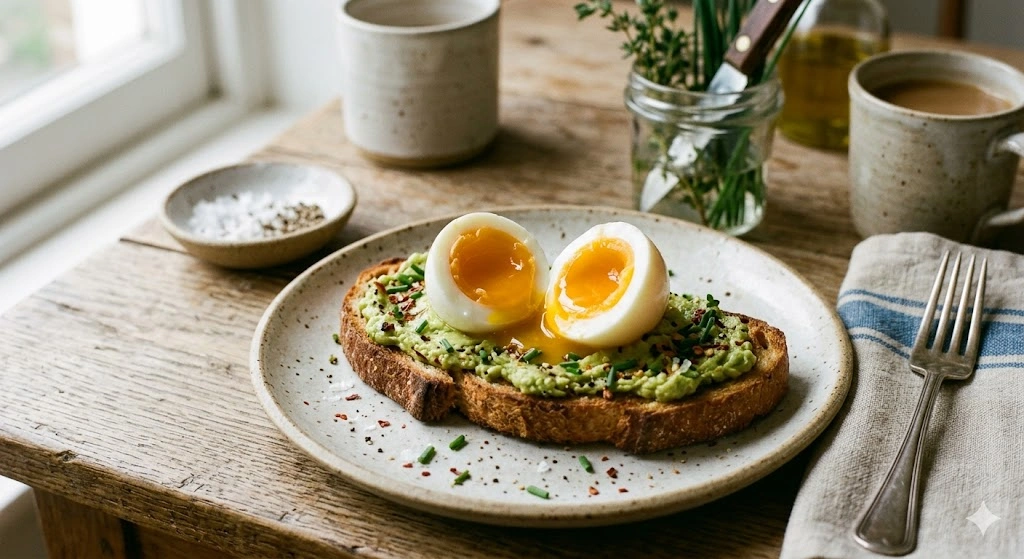
- On avocado toast with chili flakes and olive oil
- In ramen bowls with soy sauce and scallions
- On salads like Niçoise or grain bowls
- As egg salad filling for sandwiches
- With rice, sesame oil, and Korean seaweed
- As a topping for pho or noodle soups
Benefits of Jammy Eggs (Why They’re Worth Making Weekly)
Jammy eggs have become a staple in my kitchen not just because they taste good, but because they quietly improve so many everyday meals without much effort. That creamy yolk adds instant richness to simple dishes, almost like a built in sauce. They’re also incredibly practical. You can batch cook a few at the start of the week and use them across breakfast, lunch, or even snacks
without much planning. They pair easily with warm rice, salads, noodles, or toast, making them one of those rare ingredients that fits almost anything. From a nutritional standpoint, eggs are naturally protein rich and satisfying. The yolk contains most of the nutrients, including healthy fats and key vitamins, which is why jammy eggs feel more filling and flavorful than plain boiled versions.
Key everyday benefits:
- Adds instant richness and flavor to simple meals
- Works across breakfast, lunch, and snack bowls
- Naturally high in protein and satisfying fats
- Easy meal prep option for busy weeks
- Pairs with almost any cuisine or base (rice, noodles, toast, salads)
Supporting Information: Egg Freshness, Storage Logic, and Real Kitchen Context
A lot of confusion around jammy eggs recipe comes from not understanding how eggs behave after cooking. In real kitchen practice, storage and freshness matter just as much as timing. Fresh eggs behave differently than older ones. Very fresh eggs tend to stick to the shell more tightly because the internal membrane hasn’t loosened yet. Slightly older eggs peel more cleanly, which is why many cooks prefer eggs that are about a week old for boiling.
Once cooked, jammy eggs should be treated gently. The texture is delicate, and how you store them can change both flavor and consistency over time. If you’re meal prepping, unpeeled eggs hold up best because the shell protects moisture and texture. Peeled eggs need more care and should be kept in a sealed container to avoid drying out or absorbing fridge odors.
Temperature also matters after cooking. Rapid cooling in an ice bath doesn’t just help peeling it also locks in that jammy center so it doesn’t slowly overcook while sitting in residual heat. In short, jammy eggs are simple, but they respond quickly to small environmental changes. Once you understand that, you get consistent results every time instead of occasional luck.
jammy egg recipe Frequently Asked Questions
Storage, Freezing, and Reheating
Jammy eggs are best enjoyed fresh, but they can be stored safely:
- Unpeeled in shell: up to 7 days refrigerated
- Peeled in airtight container: up to 3 days
- Peeled with damp towel: best within 2–3 days
Freezing is not recommended as it ruins texture.

jammy egg recipe
Ingredients
Equipment
Method
- Fill a saucepan with enough water to fully cover the eggs by about 1 inch. Bring it to a steady rolling boil over high heat. The water should be bubbling actively but not violently splashing.
- Carefully lower the eggs into the boiling water using a spoon or spider strainer. This prevents cracking from sudden impact.
- Start the timer immediately and cook for 6½ to 7½ minutes depending on yolk preference. You’ll see the whites firming up while the yolk remains soft inside.
- While eggs cook, prepare an ice bath using ice and cold water in a bowl. It should be very cold to quickly stop the cooking process.
- Transfer the eggs directly into the ice bath when the timer ends. Let them chill for 5–10 minutes until completely cool to the touch.
- Gently tap and roll each egg on a counter to crack the shell evenly. You’ll notice small air pockets forming under the shell.
- Peel the eggs under running water or in the ice bath for easier shell release. The membrane should separate cleanly from the white.
- Slice the egg in half to reveal the jammy yolk, which should look thick, glossy, and slightly molten. Serve immediately or store chilled.
Notes
Final Thoughts: Why You’ll Keep Making This Jammy Egg Recipe
Once you master this jammy egg recipe, it becomes one of those quiet kitchen skills you use constantly. It turns simple meals into something a little more special without any extra effort. Whether you’re adding them to ramen, layering them on toast, or just eating them with salt and pepper, these eggs always feel like a small upgrade to your day. Save this methodn you’ll come back to it more often than you think.
This single serving pancake recipe is perfect for quick mornings, giving you a fluffy, satisfying breakfast without leftovers or extra cleanup.