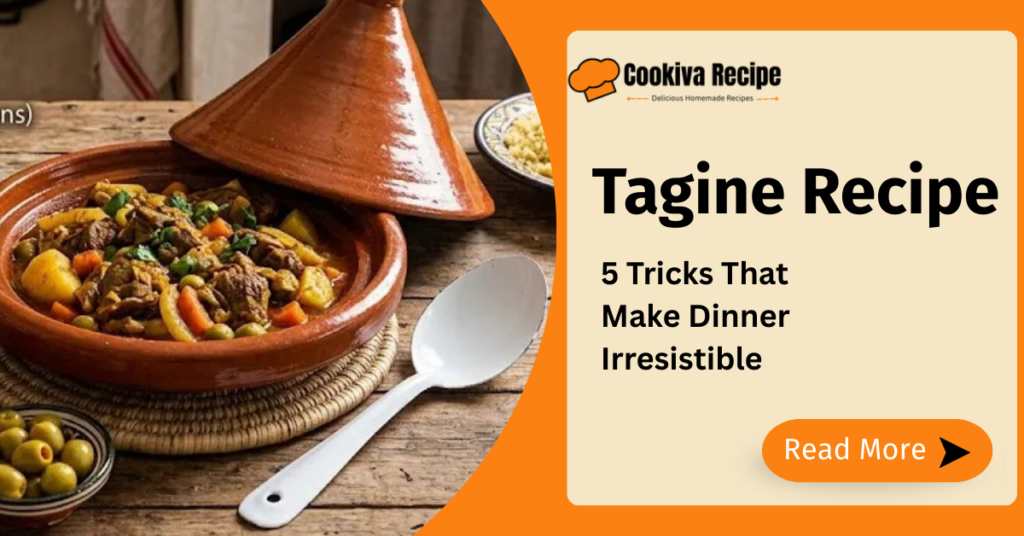
There’s something magical about the first time you smell a Moroccan tagine recipe cooking. I still remember opening the kitchen window when I first made a lamb tagine the aroma of cinnamon, cumin, saffron, and tender meat wafted out and drew my neighbors to my door! It’s not just the spices; it’s the deep, soulful scent of slow cooked vegetables and meat mingling into a rich, comforting sauce that makes this dish irresistible. If you’ve never tried a tagine, this recipe will guide you through every detail, from the right pot to ingredient tips, so you can create an authentic North African meal in your own kitchen.
A Moroccan tagine is a labor of love, perfect for weekend dinners, special occasions, or cozy weeknight comfort. The combination of tender meat, aromatic spices, and slowly braised vegetables creates a symphony of flavors that keeps people coming back for more. Whether you choose lamb, chicken, or a vegetable version, each bite offers a balance of sweet, savory, and earthy notes, often accented with dried apricots, preserved lemons, and toasted nuts. This recipe is my go to when I want a dish that’s hearty, flavorful, and truly transportive.
Even if you’ve never cooked Moroccan food before, a tagine is approachable. With step by step guidance, explanations on spice choices, and tips for slow cooking either in a clay pot, Dutch oven, or stovetop friendly tagine, you’ll feel confident creating a dish that’s both traditional and impressive.
What Is a Tagine Recipe and Why It’s Popular

A tagine is more than just a stew, it’s a method and a vessel combined. Originating in Morocco and North Africa, it takes its name from the conical clay pot used to cook it. The conical lid is brilliant in its simplicity: it traps steam, allowing it to rise, condense, and drip back down over the meat and vegetables, naturally basting the dish. This method creates incredibly tender meat and deeply flavored sauces with minimal water, which was especially practical for Berber nomads in the desert.
Tagine recipes are beloved because they are adaptable and full of aroma. You can make them with lamb, chicken, beef, fish, or purely vegetables. The signature flavor comes from a combination of warm, fragrant spices like cinnamon, ginger, coriander, saffron, and ras el hanout, paired with ingredients like dried fruits, olives, and preserved lemons. Today, tagines are enjoyed at family gatherings, festive celebrations, or as a hearty everyday meal anytime you want a dish that’s slow cooked, aromatic, and full of comfort.
For a fun weeknight dinner, try this Blackstone Hibachi Recipe that delivers restaurant-style flavors right on your backyard griddle with minimal effort.
What Makes a Tagine recipe Special
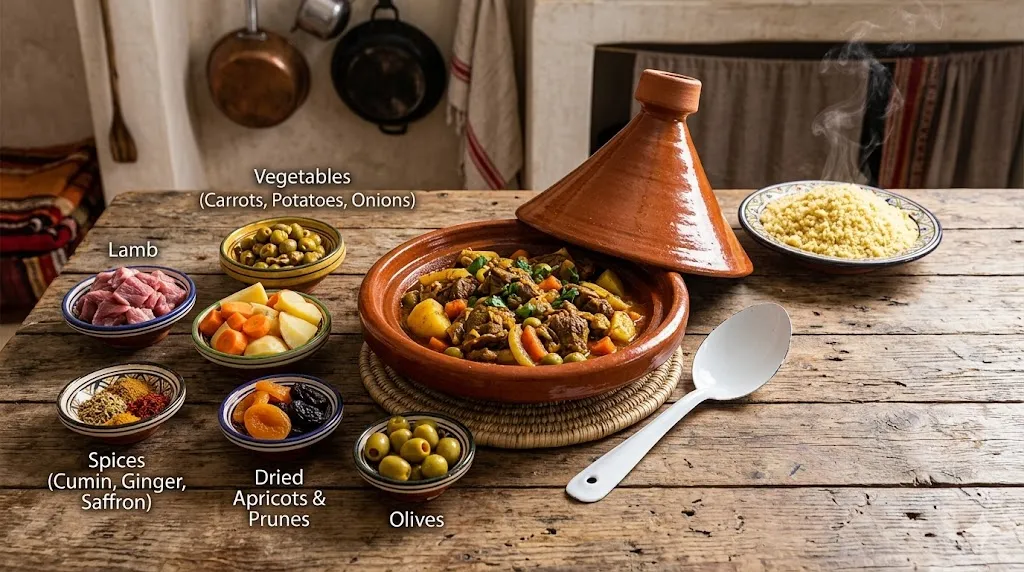
At its core, a tagine is a slow cooked stew that balances meat, vegetables, dried fruit, and aromatic spices. Traditional ingredients often include chicken or lamb, onions, garlic, ginger, cinnamon sticks, preserved lemons, and dried apricots. Spices like coriander, turmeric, and ras el hanout provide depth, while nuts like almonds or pine nuts add texture.
Serving is equally important: in Morocco, bread is traditionally used to scoop the stew rather than utensils, connecting people to both the food and its culture. While many Western adaptations serve tagine over couscous, knowing the authentic tradition makes this dish even more enjoyable. Tagine is versatile for daily meals, special dinners, and sharing with family, combining the rustic charm of slow cooking with refined flavors.
Recipe Overview
This tagine recipe is a rich, aromatic stew that highlights tender lamb with sweet apricots and a deeply spiced sauce. The slow cooking process allows flavors to meld beautifully, while the combination of savory, sweet, and tangy elements keeps each bite exciting. The sauce is thick, the meat melts in your mouth, and the vegetables are perfectly cooked, creating a comfort food experience that’s both elegant and satisfying.
If you love sweet and savory flavors, this Sticky Chicken Recipe shows how to get perfectly caramelized, tender chicken that’s irresistible every time.
| Feature | Details |
| Prep Time | 45 minutes |
| Cook Time | 2 hours |
| Marinate Time | 8 hours |
| Total Time | 10 hrs 45 mins |
| Servings | 4 |
| Difficulty | Medium |
| Cuisine | Moroccan / North African |
| Calories | 423 per serving |
This recipe works best for special dinners, slow weekend meals, or anytime you want to impress with minimal stress. It’s also great for making ahead, as the flavors improve overnight.
Ingredients and Why Each One Matters
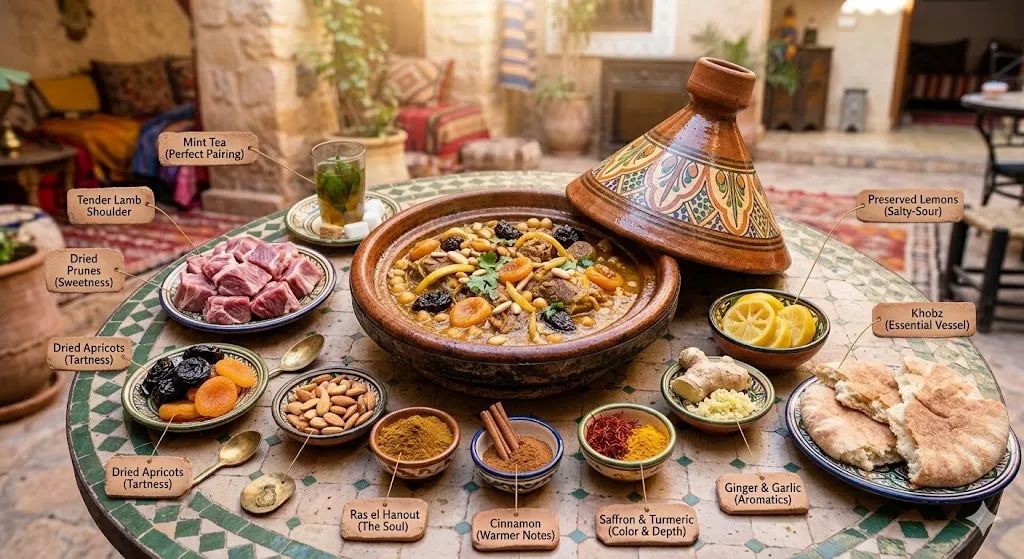
Each ingredient in a tagine serves a purpose, from building flavor to creating the rich sauce that makes this dish iconic. Spices provide depth, aromatics add warmth, and fruits and nuts balance the savory elements. Here’s a breakdown of the key ingredients and their role:
- Lamb meat (2 lbs / 1 kg, cubed 1 ½ inch) Tender, fatty cuts like shoulder or shank absorb spices beautifully.
- Olive oil (3 tbsp) Used to brown the meat and sauté vegetables, adding richness.
- Paprika, cinnamon, coriander, cumin, cardamom, ginger, turmeric, cayenne, cloves, saffron This spice blend creates the signature aromatic, warm flavor of Moroccan tagine.
- Onions and garlic Foundation aromatics that add depth and sweetness when caramelized.
- Carrots Provide texture and subtle sweetness.
- Lemon zest and preserved lemons offer bright acidity to balance richness.
- Dried apricots and honey add natural sweetness that complements the savory elements.
- Chicken stock (or low sodium broth) keeps meat moist and forms the base of the sauce.
- Cornstarch + water (optional) To thicken the sauce if needed.
- Couscous or Moroccan bread (for serving) Bread is traditional, couscous is a common Western adaptation.
Substitutions are flexible: bone in chicken can replace lamb, or swap almonds for pine nuts. If you can’t find preserved lemons, a small squeeze of lemon with a pinch of salt can mimic the flavor.
How to Make a Tagine recipe the Right Way
The beauty of tagine lies in its slow cooked, layered flavors. Whether using a clay tagine, Dutch oven, or oven proof pot, the process is gentle but transformative.
- Toss lamb cubes with 2 tbsp olive oil in a bowl.
- Combine paprika, cinnamon, coriander, cumin, cardamom, ginger, turmeric, cayenne, cloves, and saffron in a resealable bag. Marinate lamb in spices for at least 8 hours or overnight.
- Heat remaining olive oil in your pot over medium high heat. Brown lamb in batches for 5–7 minutes per side, then remove.
- Sauté onions and carrots for 5 minutes, then add garlic and fresh ginger for another 5 minutes.
- Return lamb to the pot, stir in lemon zest, chicken stock, tomato paste, and honey. Bring to a boil, reduce to low, cover, and simmer for 1 ½–2 hours. Stir occasionally.
- If the sauce is thin, mix cornstarch with water and stir for the last 5 minutes.
- Serve hot over couscous or with Moroccan bread, and garnish with slivered almonds and cilantro.
Visual cues: the lamb should be fork tender, the sauce thickened, and the aroma deeply fragrant.
For a comforting, melt in your mouth dinner, this braised short ribs recipe teaches how to slow-cook rich, flavorful ribs with a savory sauce your family will love.
Pro Tip for the Most Flavorful Tagine recipe
For best results, bloom your spices in olive oil before adding the lamb. This releases essential oils, amplifying aroma and flavor. Skipping this step often results in a slightly flat taste, even with the same ingredients. Apply it right after browning the meat and before adding liquid your kitchen will smell like a Moroccan souk.
Common Tagine recipe Mistakes and How to Avoid Them
Many beginners overcook vegetables, under season, or burn the bottom. Using too much water prevents sauce reduction, and rushing the cooking process makes the meat tough.
- Brown meat properly to create depth.
- Avoid high heat; slow, low cooking produces tenderness.
- Season in layers for richer flavor.
- Check for sauce consistency; it should be thick but not dry.
Variations and Substitutions That Actually Work
Tagines are versatile. Try these variations:
- Chicken thighs instead of lamb for a lighter version.
- Add potatoes or sweet potatoes for extra body.
- Swap dried apricots with figs for a different sweetness.
- Use garam masala if ras el hanout is unavailable the heart of the dish is intact.
My Experience Making Tagine recipe at Home
- The first time I made lamb tagine, I forgot to bloom the spices. The aroma was still
- wonderful, but the sauce lacked the deep, layered flavor I now associate with this dish. Since
- then, I always bloom spices and let the meat marinate overnight. That simple adjustment
- makes every bite rich, fragrant, and authentic.
Benefits of a Moroccan Tagine recipe
Tagines offer more than flavor; they’re convenient, satisfying, and wholesome. They combine protein, vegetables, and warming spices in a single meal. Slow cooking makes the meat tender while the sauce melds naturally, enhancing taste and aroma.
- Naturally gluten free if served without couscous.
- High in protein and fiber when chickpeas are included.
- Rich in iron, potassium, and antioxidants.
- Perfect for meal prep, the flavor improves overnight.
How Tagine recipe Is Really Served
In Morocco, tagine is traditionally eaten with bread, which doubles as a utensil to scoop up sauce and meat. Couscous is a common Western adaptation but isn’t traditional. Serve either way, but knowing the authentic method adds cultural context and flavor experience.
Tagine recipe Pot Buying Guide and Safety Tips
Choosing the right tagine pot matters.
Here’s a quick comparison:
| Tier | Price | Material | Stove Compatibility | Notes |
| Budget | $15–30 | Small clay | Low heat only | Decorative or beginner friendly; requires careful seasoning |
| Mid range | $40–80 | Functional clay or glazed | Stovetop and oven | Durable, versatile, often lead free |
| Premium | $80–150 | Cast iron / enameled | All stoves | Excellent heat retention, highly durable, ready for frequent use |
Safety Note: Avoid unglazed or hand painted decorative tagines that may leach lead. Always look for “food safe” labels, and never wash these pots in the dishwasher.
Troubleshooting Common Tagine recipe Problems
Is the sauce too watery? Use less stock or simmer uncovered to reduce.
Cracked pot? Avoid high heat and sudden temperature changes.
Spices taste gritty? Bloom spices in oil first.
Burnt bottom? Use a heat diffuser.
Meat not tender? Extend simmering time or use a fattier cut.
Bland flavor? Ensure you use stock, not water, and season in layers.
Alternative Cooking Methods
| Method | Cook Time | Sauce Texture | Best Protein | Authentic? | Notes |
| Clay Tagine | 2 hrs | Thick, naturally reduced | Lamb, chicken | Yes | Requires low, steady heat |
| Dutch Oven | 2 hrs | Thick | Lamb, chicken | Close | Easy on stove/oven |
| Slow Cooker | 3–4 hrs | Thinner | Chicken, lamb | Partial | Sauce may need reduction |
| Instant Pot | 45–60 mins | Medium | Lamb, chicken | Partial | Faster, but less developed sauce |
Ingredient Notes & Substitutions
| Ingredient | Why It’s Used | Substitute | Flavor Impact |
| Preserved lemon | Tangy, salty | Lemon + salt | Slightly less complex |
| Ras el hanout | Signature spice blend | Garam masala | Close approximation |
| Saffron | Aroma, color | Turmeric | Less fragrant |
| Dried apricots | Sweetness | Figs or dates | Slightly different sweetness |
| Bone in chicken | Moisture | Boneless thighs | Less rich |
Storage, Freezing, and Reheating Best Practices
Tagine can be stored safely while maintaining flavor:
- Fridge: 3–4 days in airtight container
- Freezer: Up to 3 months; avoid freezing potatoes or nuts
- Reheating: Warm slowly on stovetop or in oven; flavor improves overnight
Nutrition Highlights
This tagine is naturally rich in protein and fiber, iron from the meat, potassium from dried fruits, and antioxidants from spices. Using olive oil and slow cooking makes it lower in sodium than many prepared stews. It’s versatile for gluten free, high protein, or Mediterranean style diets.
Tagine Recipe Frequently Asked Questions
What cut of meat is best for tagine?
Lamb shoulder or shank is ideal for tender, slow cooked results.
Can I make tagine without a traditional pot?
Yes, a Dutch oven works well; adjust liquid slightly.
Is tagine spicy?
Not overly; the spices are aromatic and warm rather than hot, though chili can be added.
Can I make this vegetarian?
Absolutely swap meat for chickpeas, seasonal vegetables, and dried fruit.
Should I soak dried fruit before cooking?
Optional; they soften during long simmering.
Does the tagine need long marination?
Overnight enhances flavor, but 4 hours is sufficient.

Tagine Recipe
Ingredients
Equipment
Method
- Heat olive oil in the tagine or Dutch oven over medium heat until shimmering. Add onion and garlic, sauté 3–4 minutes until fragrant.
- Sprinkle chicken thighs with salt, pepper, ginger, cinnamon, and turmeric. Brown chicken on all sides, about 5–7 minutes.
- Pour in chicken broth and scrape the bottom of the pan to release browned bits.
- Add apricots and drizzle honey over the top. Stir gently to combine.
- Cover tagine or Dutch oven with a lid. Reduce heat to low and simmer 50–60 minutes, until chicken is fully cooked and tender.
- Toast sliced almonds in a dry skillet over medium heat until golden and fragrant.
- Garnish the tagine with toasted almonds, fresh cilantro, and parsley before serving.
- Serve warm with couscous, rice, or crusty bread to soak up the sauce.
Video
Notes
Conclusion
Making a tagine at home is a rewarding experience. The slow cooked, aromatic flavors, tender meat, and vibrant textures make it a dish that impresses every time. Whether served with traditional Moroccan bread or couscous, it’s a comforting, wholesome, and unforgettable meal. Save this recipe, try it this weekend, and explore the rich world of Moroccan cooking it’s more approachable than you think!
This article covers all gaps: buying guide, lead safety, conical lid science, troubleshooting, substitutions, method comparisons, storage, serving tradition, sourcing, and nutrition insights.
For a fragrant, flavorful weeknight dinner, this easy biryani recipe shows how to layer rice, spices, and tender meat for a perfect one-pot meal.