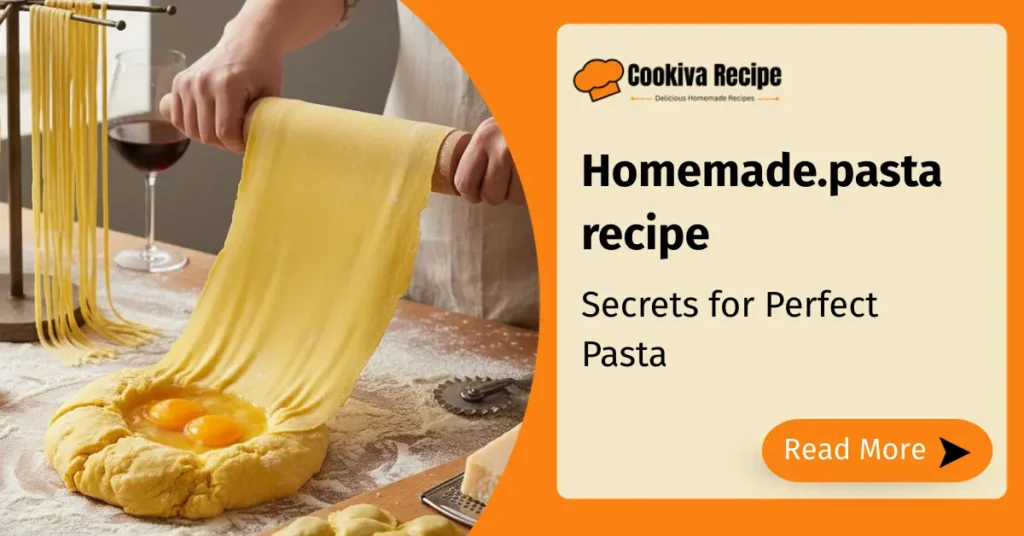
There’s something magical about walking into the kitchen and seeing a sheet of fresh pasta in front of you, knowing it came entirely from your hands. Homemade pasta recipe has a way of transforming even the simplest sauce into a restaurant worthy experience. The texture is tender yet substantial, the flavor richer than any boxed version, and the aroma of eggs and flour fills your kitchen with that unmistakable “home cooked” warmth. Over the years, I’ve tried countless methods from hand rolling on a floured board to using a trusty pasta machine and each batch has taught me a little more about patience, technique, and intuition in the kitchen.
While the idea of making pasta from scratch can feel intimidating, it’s actually surprisingly approachable. With just a handful of ingredients flour, eggs, salt, and a touch of water you can create fresh tagliatelle, fettuccine, or even sheets for ravioli. This recipe is designed to guide you through the process without overwhelming you, including practical tips for first timers, climate adjustments, and even cost comparisons to store bought pasta. Whether you’re planning a cozy weeknight dinner, feeding a crowd, or impressing friends at brunch, fresh pasta elevates any meal.
Before we dive into rolling, kneading, and cooking, it’s worth understanding why homemade pasta continues to be a beloved staple in kitchens around the world. From the rustic tables of Emilia Romagna to modern American kitchens inspired by chefs like Giada, Jeanine Donofrio, and Jill Winger, fresh pasta combines simplicity with elegance, offering both comfort and creativity.
What Is Homemade Pasta recipe and Why It’s So Popular
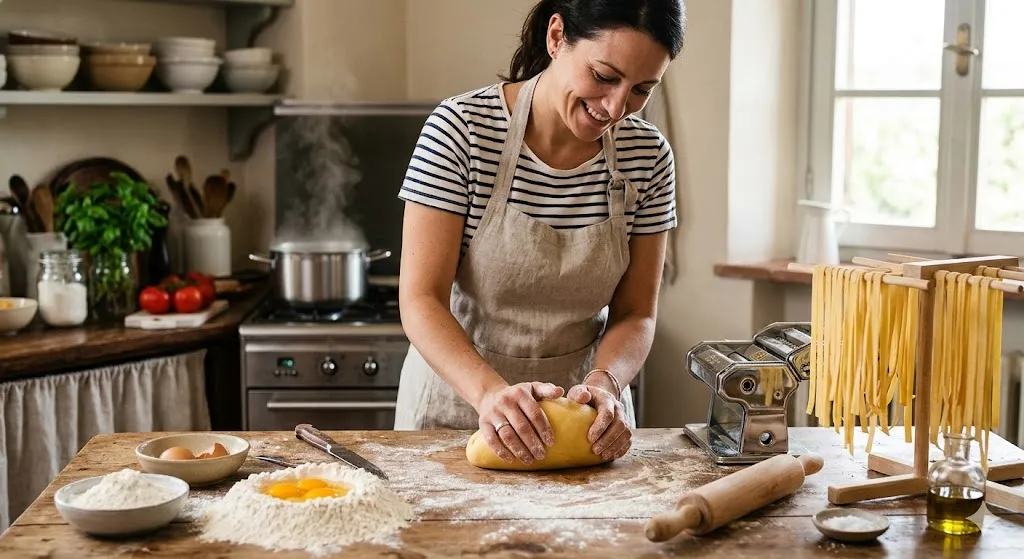
Homemade pasta recipe is essentially a dough made from flour and eggs, sometimes with added water or olive oil, that’s rolled thin and cut into noodles or sheets. Unlike dried, store bought pasta, fresh pasta is tender, cooks quickly, and carries sauces differently because of its soft, porous texture. Traditionally, Italian pasta is made with “00” flour, prized for its silky consistency, though all purpose flour, semolina, or whole wheat can also work depending on your flavor and texture goals.
Historically, pasta emerged in regional Italy as a way to stretch simple ingredients into versatile meals. Today, it’s beloved worldwide for its ability to adapt to countless sauces from a creamy Alfredo to a rich ragù or a fresh tomato basil topping. People love it because it’s comforting, rewarding to make, and endlessly customizable. Homemade pasta keeps the kitchen interactive: from kneading the dough to shaping the noodles, it turns cooking into a tactile, satisfying experience.
If you love creamy pasta sauces, this Pasta alla Vodka Recipe shows how a splash of vodka creates a silky, restaurant-style sauce in minutes.
Recipe Overview: Taste, Texture, and Perfect Occasions
This homemade pasta recipe is silky, tender, and lightly chewy when cooked al dente. The eggs enrich the dough, giving it a golden hue and subtle flavor that complements anything from a simple olive oil and Parmesan dressing to a hearty Bolognese. Freshly rolled noodles have a delicate aroma of wheat and eggs that instantly signals a wholesome, homemade meal.
This recipe works beautifully for quick weeknight dinners when paired with simple sauces, cozy weekend meals with family, or more elaborate dishes like stuffed ravioli or lasagna. The dough is forgiving enough for beginners, yet rewarding for those who want a restaurant quality outcome at home.
| Prep Time | Cook Time | Total Time | Servings | Difficulty | Cuisine |
| 40 min | 2-3 min | 45-50 min | 4 | Medium | Italian |
Ingredients and Why Each One Matters
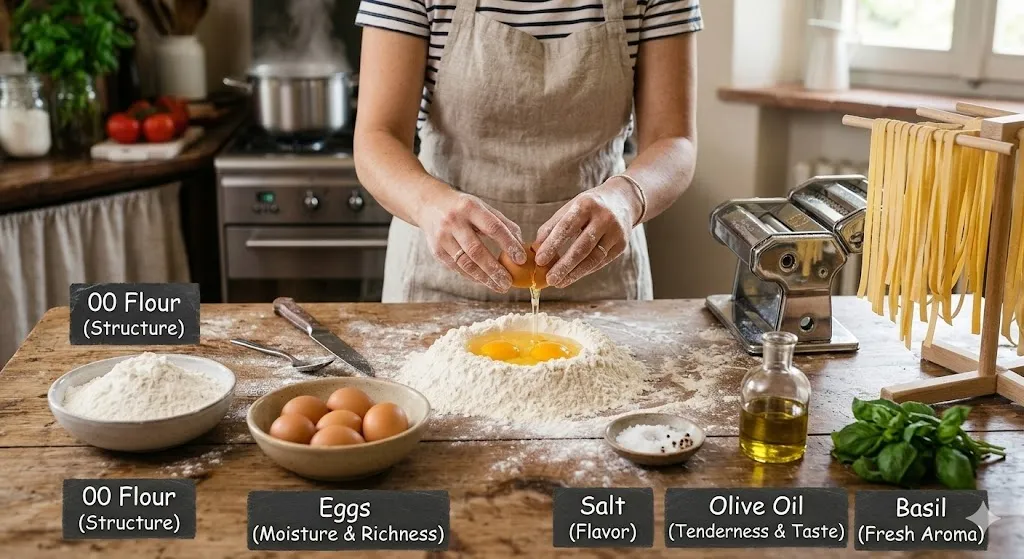
Every ingredient in fresh pasta has a role in the final texture and flavor. Choosing the right flour, weighing eggs accurately, and using a touch of salt ensures your noodles cook evenly, hold sauce, and have the ideal bite.
- 2 cups all purpose flour (or 00 flour for silkier texture)
- 3 large eggs (approximately 150g without shell; adjust for egg size)
- ½ teaspoon fine sea salt (Redmond Real Salt recommended)
- 1–2 teaspoons water (optional, adjust for humidity)
- 1 teaspoon olive oil (optional, for slightly softer dough)
Ingredient Notes: You can substitute up to half of the flour with whole wheat or semolina for a nutty flavor, and add herbs or spices for flavored pasta. Egg free versions can use 3 tablespoons of aquafaba or flax egg plus extra water, though the texture will be slightly firmer and best for short pasta shapes.
How to Make Homemade Pasta recipe the Right Way
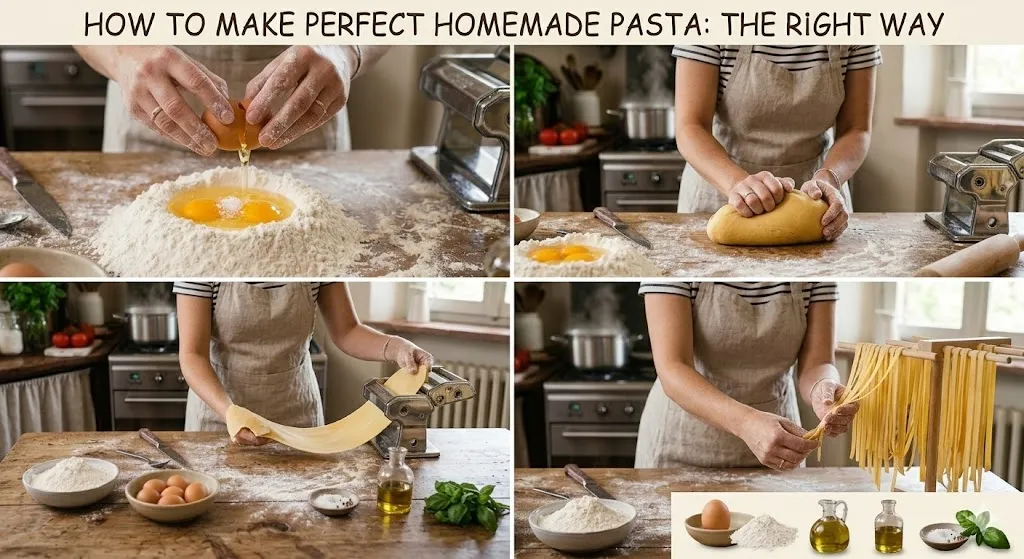
Fresh pasta is all about simple techniques done carefully. The goal is to develop gluten for structure, allow it to relax for easy rolling, and cut thin, uniform noodles.
- Combine flour and salt on a clean work surface. Make a well in the center.
- Crack the eggs into the well. Whisk gently, gradually incorporating flour.
- When a stiff dough forms, knead for 8–10 minutes until smooth and elastic. Add a touch of water if too dry, or sprinkle flour if sticky.
- Cover with plastic wrap and rest 30–60 minutes at room temperature.
- Divide dough into four portions. Flatten each slightly.
- Using a Pasta Machine: Start on the thickest setting, roll once or twice, then gradually reduce thickness. Fold each sheet into thirds between passes to keep edges straight.
- Rolling by Hand: Roll each portion on a floured board. Fold and re roll several times until the dough is thin enough that light passes through it.
- Cut into desired shapes: tagliatelle, fettuccine, or sheets for lasagna.
- Boil in salted water for 2–3 minutes until al dente. Fresh pasta cooks faster than dried.
- Drain, toss with sauce, and serve immediately.
Science Corner: Kneading aligns gluten proteins (glutenin and gliadin) into elastic chains, giving structure. Resting the dough for 30–60 minutes relaxes these chains, making rolling easier and preventing rubbery noodles. More egg yolk or oil shortens gluten chains, creating a tender texture.
Pro Tip for Best Results Homemade Pasta Recipe
Let the dough rest longer if your kitchen is cold or humid. In humid climates, sprinkle extra flour during kneading; in dry climates, keep a spray bottle of water nearby. This simple adjustment ensures consistent elasticity and prevents cracking or stickiness.
Common Mistakes and Why They Ruin the Homemade Pasta Recipe
- Over kneading makes pasta tough; under kneading leads to crumbling. Skipping the rest
- period produces dough that snaps back when rolled. Rolling too thick results in gummy
- noodles; rolling too thin can tear the pasta.
Key Tips:
- Rest dough properly
- Adjust flour/water for climate
- Cut evenly for uniform cooking
- Use light dusting to prevent sticking
Variations, Substitutions, and When to Use Them
Fresh pasta can be adapted to any diet or flavor profile.
- Whole wheat or semolina blends for nutty flavor
- Herb or spice infused dough for extra aroma
- Egg free (aquafaba or flax) for vegan diets
- Flavor variations: spinach, beet, or squid ink for color and taste
My Experience Making This Homemade Pasta Recipe at Home
- My first batch was uneven and slightly rubbery. I learned that measuring eggs by weight, not
- just count, makes a huge difference. Now, I lightly rest the dough in a warm corner for 45
- minutes and fold sheets carefully while rolling, which ensures even thickness every time.
Benefits of Homemade Pasta recipe
Making pasta from scratch delivers flavor, texture, and satisfaction unmatched by store bought noodles. It allows creative customization and encourages mindful cooking.
Fresh pasta is commonly enjoyed because it:
- Absorbs sauce better
- Cooks quickly
- Can be made in batches for meal prep
- Offers hands on cooking fun
Supporting Information or Background
Fresh pasta has roots in traditional Italian kitchens and is celebrated globally. It’s versatile for weeknight meals, brunches, or elegant dinners. Using simple ingredients ensures accessibility while allowing culinary creativity.
Homemade Pasta Recipe FAQ Real Questions People Ask
Why is my pasta rubbery?
Over kneading develops too much gluten; resting the dough helps relax it. More egg yolks or oil shorten gluten chains for tenderness.
Can I make pasta without a machine?
Yes, rolling by hand works with care. Fold dough in thirds, roll multiple passes, and use the transparency test to gauge thinness.
How long does fresh pasta last?
Fresh, cut pasta lasts 1–2 days in the fridge; freeze up to 2 months in nests. Dough can be stored uncut for 3–4 days.
Can I make egg free pasta?
Yes, use aquafaba, flax, or water based recipes. Expect firmer texture, suitable for short shapes.
Do I need special flour?
All purpose works fine. 00 flour gives silkier, more elastic results; semolina adds texture.
Why is my dough sticky or dry?
Climate affects hydration: humid kitchens may need extra flour, dry kitchens may need a splash of water.
Storage, Freezing, and Reheating Best Practices
- Raw dough: airtight container, 3–4 days, refrigerate
- Fresh cut pasta: dusted with flour, 1–2 days, fridge
- Air dried pasta: single layer, 2–3 weeks
- Frozen pasta: flash freeze nests, 2 months, airtight
- Cooked pasta: 2–3 days, refrigerate, reheat in boiling water or skillet

Homemade Pasta Recipe
Ingredients
Equipment
Method
- Place the flour on a clean work surface and create a well in the center. Add eggs, olive oil, and salt into the well.
- Use a fork to slowly mix the eggs with the flour, pulling flour from the edges until a shaggy dough begins to form.
- Knead the dough by hand for about 8–10 minutes until it becomes smooth, elastic, and slightly firm.
- Wrap the dough in plastic wrap and let it rest for 15 minutes so the gluten relaxes and the dough becomes easier to roll.
- Roll the dough out using a rolling pin or pasta machine until it is very thin and smooth. Lightly dust with flour to prevent sticking.
- Cut the sheet into noodles such as fettuccine or tagliatelle using a knife or pasta cutter.
- Bring a large pot of salted water to a boil and add the fresh pasta.
- Cook for 2–3 minutes until the pasta floats and becomes tender, then drain and serve immediately with your favorite sauce.
Video
Notes
- Fresh pasta cooks much faster than dried pasta, so watch it closely while
- boiling.
- If the dough feels sticky, lightly dust it with flour while kneading or rolling.
- Letting the dough rest is important because it makes rolling the pasta much
- easier and improves texture.
Conclusion
Homemade pasta recipe transforms a simple dinner into something extraordinary. With a few ingredients, a little patience, and attention to detail, you can create noodles that rival any restaurant. Bookmark this guide, practice a few times, and enjoy the unmatched satisfaction of fresh, silky pasta at home. Explore sauces, fillings, and flavors to make every plate uniquely yours.