

There’s nothing quite like the aroma of a rich, buttery ham gravy filling the kitchen during the holidays. Whether it’s Christmas, Easter, or a comforting Sunday dinner, this sauce has a way of tying the entire meal together. Thick, savory, with just a touch of sweetness from the ham drippings, it transforms simple mashed potatoes, biscuits, or roasted vegetables into something truly memorable. Making homemade ham gravy may seem intimidating at first, but with the right techniques, it’s surprisingly simple and the results far surpass anything you can buy in a jar.
This ham gravy recipe captures all the flavor of your favorite holiday ham while remaining flexible enough for everyday meals. It balances the saltiness of the ham with creamy texture, aromatic hints of butter and milk, and the deep richness of pan drippings. Whether you’re using a spiral cut glaze ham, a country style dry cured ham, or even leftover slices, this recipe adapts beautifully. By the end, you’ll have a smooth, velvety gravy that clings perfectly to your dishes.
Beyond just taste, this recipe is approachable for both beginner and seasoned cooks. From understanding the role of fat and drippings to troubleshooting common mistakes like runny or lumpy gravy, you’ll gain confidence in making your sauce every time. Plus, we’ll cover smart substitutions, make ahead tips, and ways to use any leftover gravy beyond just mashed potatoes.
What Is Ham Gravy Recipe and Why It’s Popular

Ham gravy is a savory sauce made primarily from the juices released during cooking a ham, often thickened with flour or cornstarch, and enriched with butter, milk, or cream. It’s a classic accompaniment in American cuisine, particularly for holiday meals, comfort food dinners, and traditional Sunday suppers. Its popularity stems from its ability to enhance simple sides of potatoes, biscuits, or vegetables turning them into a rich, flavorful centerpiece.
Traditionally, ham gravy is made by collecting the pan drippings after roasting or searing a ham. These drippings carry intense flavor, combining the natural pork essence with any glaze or seasoning applied to the ham. Modern adaptations include using ham broth, Better Than Bouillon ham base, or even chicken stock if drippings aren’t available. Over time, ham gravy has become a staple because of its versatility: it can be served immediately, stored, or even adapted into different regional styles, like Southern red eye gravy or creamier Northern versions.
This Cowboy Candy Canning Recipe guides you to make sweet, spicy, and tangy candied jalapeños that add bold flavor to sandwiches, burgers, and snacks.
Ham Gravy Recipe Overview
This ham gravy recipe is rich, slightly sweet, and perfectly balanced with savory undertones from the drippings. It has a smooth, creamy texture that’s thick yet pourable, ideal for ladling over mashed potatoes, biscuits, or even roasted vegetables. The aroma is warm and comforting, evoking holidays and family dinners.
It works best when paired with:
- Holiday hams like spiral cut or country style
- Mashed potatoes or sweet potato casseroles
- Biscuits, toast, or even over creamy casseroles
Quick Recipe Summary:
| Prep Time | Cook Time | Total Time | Servings | Difficulty | Cuisine | Calories |
| 10 min | 20 min | 30 min | 12 | Easy | American | 56 kcal |
Ingredients and Why Each One Matters
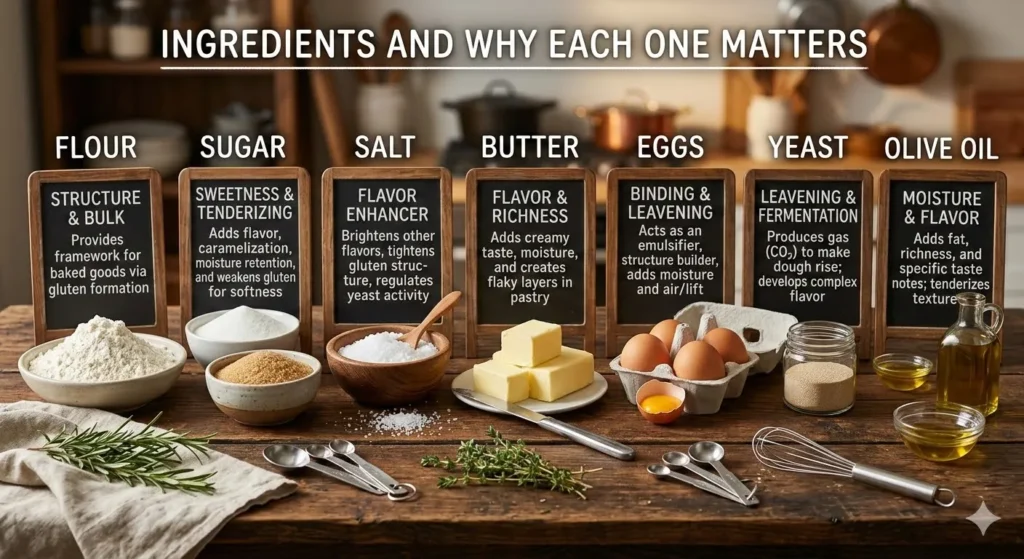
Every ingredient in this ham gravy recipe has a purpose. Butter adds richness and helps create a smooth roux. Flour or cornstarch thickens the sauce, while milk or half and half gives creaminess. Ham drippings deliver the signature salty, savory flavor. Understanding the role of each ingredient allows you to adjust for taste, consistency, or dietary preferences.
Ingredients:
- 2–3 tablespoons unsalted butter provides richness and prevents excessive saltiness
- ½ cup all purpose flour (or cornstarch for gluten free) thickens the gravy to your desired consistency
- 2 cups ham drippings (or substitute with ham broth or chicken stock) core flavor component
- ½–1 cup milk or half and half adds creaminess and balances salt
- Salt and black pepper, to taste adjust carefully based on the saltiness of the ham
- Optional: Dijon mustard or a splash of apple cider vinegar enhances depth of flavor
Substitutions Notes: Cornstarch gives a glossier, lighter gravy, but is less stable when reheated. For a dairy free version, use plant based milk and butter alternatives.
How to Make Ham Gravy Recipe the Right Way
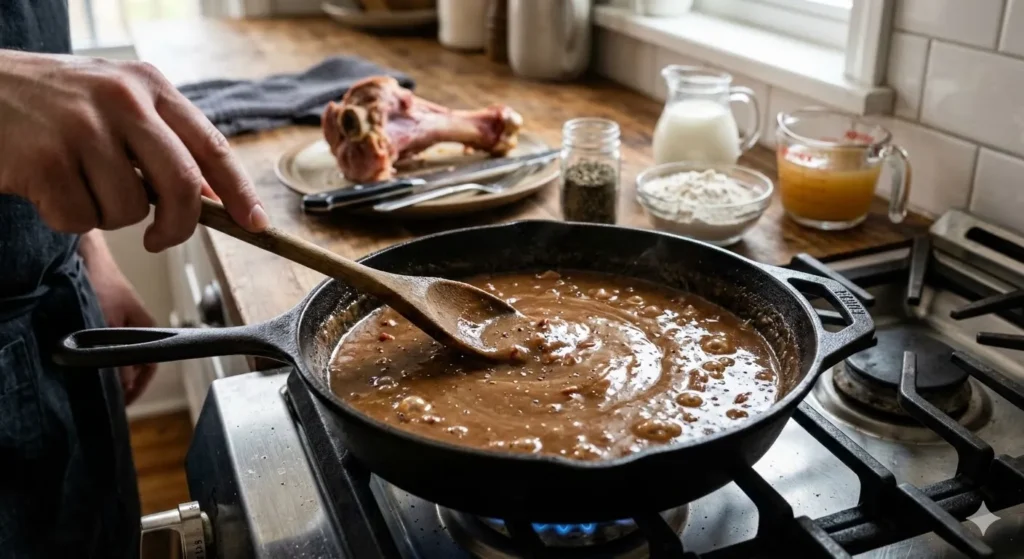
Making a ham gravy recipe is about layering flavor and controlling consistency. You want to capture the drippings’ richness, create a smooth base, and finish with just enough creaminess to coat your dishes.
Step by Step Instructions:
- After roasting your ham, pour pan drippings into a medium saucepan. Skim off excess fat, leaving about ¼ cup for richness.
- Melt unsalted butter over medium heat, whisk in flour or cornstarch to form a roux, cooking 1–2 minutes until golden and nutty.
- Gradually add the drippings and milk while whisking constantly to prevent lumps.
- Simmer on medium low heat for 5–7 minutes until thickened, stirring occasionally
- Taste and adjust seasoning, adding salt sparingly if needed. Optional: whisk in Dijon mustard or vinegar for extra depth.
- Serve immediately over mashed potatoes, biscuits, or your holiday ham.
Visual Cues: The gravy should coat the back of a spoon and have a slightly glossy sheen. It should not separate or appear greasy.
Pro Tip for Best Results
Always taste your drippings before adding salt. Ham drippings vary widely in salt content depending on type and glaze. By tasting first, you can avoid an overly salty gravy and adjust with unsalted broth or milk before thickening. This ensures the final sauce is balanced, rich, and creamy.
Common Mistakes and Why They Ruin the Recipe
Even experienced cooks can encounter issues with ham gravy. Here are the top mistakes:
- Too salty: Usually from brined ham drippings; dilute with broth or milk.
- Lumpy gravy: Caused by adding liquid too quickly; whisk constantly and gradually.
- Too thin or runny: Roux ratio might be off; simmer longer or add slurry.
- Broken or greasy: Excess fat not emulsified; remove extra fat and whisk in cold butter slowly.
Key Tips:
- Use unsalted butter to control salt.
- Whisk constantly when adding liquids.
- Taste frequently and adjust gradually.
Variations, Substitutions, and When to Use Them
This gravy is versatile:
- Gluten free: Substitute flour with cornstarch or arrowroot.
- Dairy free: Use plant based milk and butter alternatives.
- Extra flavor: Fold in caramelized onions, roasted garlic, or smoked paprika.
- Sweet twist: Add a teaspoon of brown sugar or honey for glazed ham versions.
My Experience Making This Recipe at Home
I once made this gravy with a large spiral ham and accidentally added all the milk at once. The result was lumpy and thin. After letting it rest and whisking in a small cornstarch slurry, it came together beautifully. The trick I learned: always add liquid gradually and taste after thickening small adjustments make a huge difference
This Fire Honey Recipe shows how to infuse sweet honey with spicy peppers, creating a bold, versatile condiment perfect for drizzling over cheese, meats, or roasted vegetables..
Benefits of Ham Gravy Recipe
Homemade ham gravy:
- Enhances flavor of simple sides like potatoes and biscuits
- Utilizes leftover drippings efficiently, reducing waste
- Can be made in under 30 minutes
- Offers flexibility for dietary substitutions
- Adds a comforting, savory touch to holiday meals
Supporting Information and Background
Ham gravy has been a part of American holiday traditions for centuries. Originally, drippings from roasted or smoked hams were used to make a simple sauce, often thickened with flour. Today, it remains a versatile side that enhances the flavor of everyday meals and festive gatherings.
FAQ Real Questions People Ask
What if I don’t have ham drippings?
You can use ham broth, chicken stock, or Better Than Bouillon ham base. Simulate drippings by pan searing a ham steak in butter for flavor.
Can I make this gravy ahead of time?
Yes, flour based gravy can be made 1–2 days in advance and reheated on the stovetop. Cornstarch based gravy should be made fresh or thickened gently when reheating.
How do I fix lumpy gravy?
Whisk vigorously over low heat, or pass through a fine mesh strainer. For stubborn lumps, a small cornstarch slurry can smooth it out.
Is this gravy gluten free?
Yes, by using cornstarch instead of flour, you can make it fully gluten free.
How salty will the gravy be?
This depends on your ham. Taste the drippings first and dilute with unsalted broth or milk as needed.
Can I freeze ham gravy?
Flour based gravy freezes well; cornstarch based gravy can separate. Thaw and reheat gently, adding liquid as necessary.
Storage, Freezing, and Reheating Best Practices
- Refrigerate in an airtight container for up to 3 days
- Freeze flour thickened gravy for up to 3 months
- Reheat gently on the stovetop, whisking and adding a splash of milk if needed
- Avoid freezing cornstarch based gravy

Ham Gravy Recipe
Ingredients
Equipment
Method
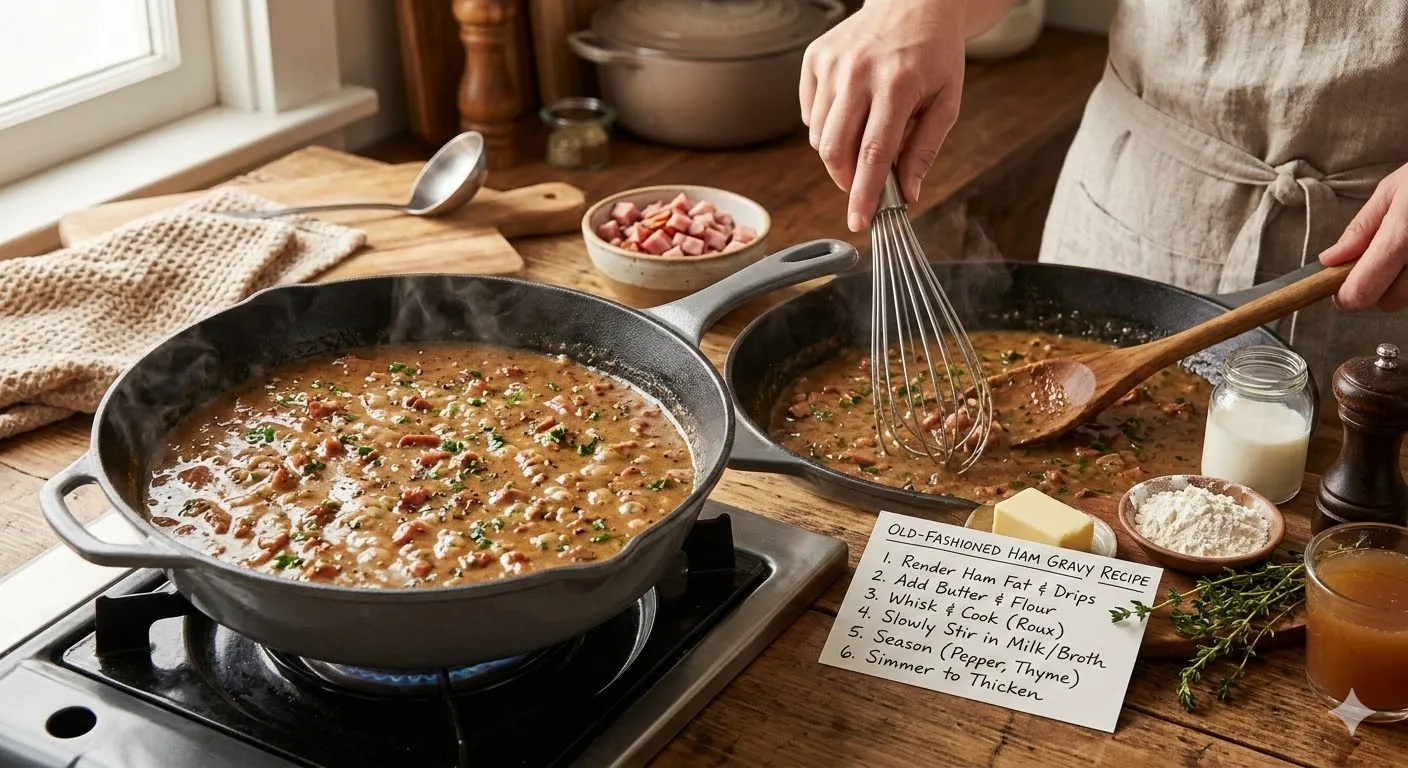
- Heat ham drippings and butter in a skillet over medium heat until melted and lightly bubbling. The mixture should smell rich and slightly smoky.
- Sprinkle in the flour and whisk constantly to form a smooth paste (roux). Cook for about 1–2 minutes until it turns lightly golden and nutty.
- Slowly pour in the milk while whisking to prevent lumps. Continue whisking until the mixture becomes smooth and creamy.
- Add the diced ham and stir to combine. Let the gravy gently simmer so the ham flavor infuses into the sauce.
- Season with black pepper, salt, and garlic powder if using. Stir well and taste to adjust seasoning.
- Continue cooking for 3–4 minutes until the gravy thickens enough to coat the back of a spoon. If too thick, add a splash of milk.
- Remove from heat and serve warm over biscuits, mashed potatoes, or sliced ham.
Video
Notes
Conclusion
Making the perfect ham gravy recipe doesn’t have to be intimidating. With proper attention to drippings, technique, and seasoning, you can create a rich, flavorful sauce that elevates every holiday meal. Bookmark this recipe, save it for your next gathering, and experiment with variations to make it your own. Whether poured over mashed potatoes, biscuits, or even leftover ham for breakfast, this gravy is a true comfort food essential.
This recipe for mayo teaches how to make creamy, tangy mayonnaise at home using simple ingredients, perfect for sandwiches, dressings, and dips.